
Price Breakdown & Availability
Here's how current offers compare across retailers.
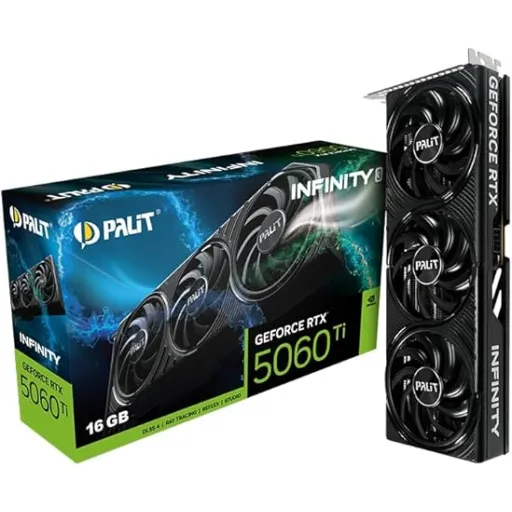
Nvidia GeForce RTX 5060 Ti Infinity 3

You Might Also Like
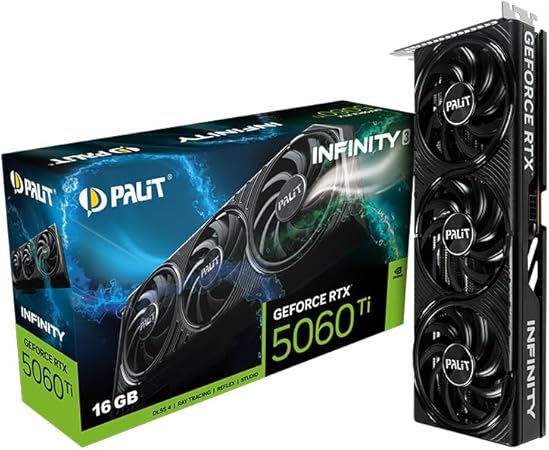
This GeForce RTX 5060 Ti Infinity 3 is made for builders who want real RTX features in less space. The Palit Infinity 3 series targets SFF ready setups, choti case mein bhi performance ka compromise kam hota hai. That compact mindset keeps your desk clean and your airflow plan simple, especially when cables and panels sit close. The NVIDIA Blackwell architecture powers the RTX 50 generation, so AI rendering aur ray tracing dono modern level par aate hain. The GB206 graphics processor sits at the center of this card, balancing capability with mainstream efficiency for everyday gaming. The 4,608 CUDA cores give strong raster performance, rozana ke titles mein smooth feel aur consistent response milta hai. The PCIe 5.0 x8 interface is part of the design, jo modern platforms ke sath simple drop in upgrade ban jata hai. The 180W board power stays practical for this class, is liye heat output manageable rehta hai and tuning pressure kam hota hai. The single 8 pin connector helps keep builds clean, asaani se wiring ho jati hai, and upgrades feel less intimidating. This overall positioning fits gamers and creators who want capability without oversized hardware taking over the case
This Blackwell RTX 5060 Ti platform is built for richer lighting and cleaner motion where it matters most. The card includes 36 RT Cores for hardware ray tracing, reflections zyada natural lagti hain aur shadows depth le aate hain. The fourth generation RT core design is highlighted as being built for Mega Geometry, so dense scenes handle better in newer engines. The DLSS 4 stack introduces Multi Frame Generation, jis se heavy moments mein FPS uplift mil sakta hai while the game still feels responsive. The same DLSS 4 announcement notes AI can generate up to three frames per rendered frame, which helps high refresh gameplay feel more consistent. The transformer based DLSS updates are positioned to improve image stability and reduce ghosting, fast panning mein blur aur shimmer kam feel hota hai. The RTX 5060 Ti family also lists fourth generation RT compute capability, so ray traced effects stay within reach on this tier. The DirectX 12 Ultimate support keeps feature coverage modern, future titles ke sath compatibility tension free rehti hai. The Infinity 3 compact approach makes these visuals easier to bring into SFF builds, jahan normally big coolers practical nahi hotay. This is the kind of upgrade that shows up as better lighting realism, smoother motion, and fewer settings sacrifices
This GPU class aims for fast response and stable pacing across long sessions without constant tweaking. The RTX 5060 Ti is specified with 4,608 CUDA cores, is liye raster performance balanced rehta hai and stutter frustration kam hoti hai. The base clock is listed around 2.41 GHz with boost up to 2.57 GHz, so menus, competitive queues, and open world traversal feel snappy. The GB206 chip anchors this tier with a focused design, rozana ke use mein efficiency aur consistency dono kaam aati hain. The Infinity 3 edition is introduced as an SFF ready direction, so performance can live inside smaller cases without feeling cramped. The Blackwell generation also emphasizes new streaming multiprocessors optimized for neural shaders, jis se modern engines ke materials aur lighting pipelines more future friendly feel karte hain. The card’s feature stack is positioned for both games and creator tools, so you can shift between play and production with less friction. The practical takeaway is simple daily smoothness, where input feels immediate and scenes hold together under load. The upgrade experience stays grounded, bilkul, because the goal is consistent performance rather than extreme headline chasing
This card brings AI acceleration into everyday workflows, especially when gaming and creation overlap on the same machine. The RTX 5060 Ti is listed with 144 Tensor Cores, jo DLSS 4 aur AI features ko accelerate karte hain while keeping image quality disciplined. The NVIDIA RTX 5060 Ti tier is also rated at 759 AI TOPS, so AI assisted features feel faster and more practical in real use. The DLSS 4 Multi Frame Generation approach can multiply performance, jis se demanding scenes mein playable FPS maintain hota hai without harsh resolution drops. The same Blackwell announcements highlight neural shaders as a key direction, meaning AI can be integrated into programmable shader stages for new rendering techniques. The neural shader write up also notes texture compression up to 7x, is se VRAM pressure kam ho sakta hai and assets stream smoother feel hotay hain. The GB206 platform includes newer media blocks like 9th gen NVENC and 6th gen NVDEC, so streaming aur playback efficiency better rehti hai. The creator angle supports quick captures, OBS sessions, and short form exports without turning the PC into a noisy box. The Infinity 3 SFF intent keeps the build practical, jahan desk par space limited hoti hai, and you still want stable output
This 180W power envelope stays friendly for typical gaming PCs that prioritize balance over brute force wattage. The Palit Infinity 3 board is listed at 180W TDP, jis se heat output predictable rehta hai and long sessions zyada comfortable hotay hain. The single 8 pin connector keeps wiring simple, cable management asaani se ho jati hai while the build still looks clean. The same board listing suggests a 450W PSU baseline, so planning becomes straightforward when pairing a mainstream CPU. The Blackwell generation messaging focuses on AI driven performance lifts, meaning DLSS 4 can raise effective frame rates without always demanding higher raw power. The compact Infinity 3 positioning makes efficiency feel even more important, kyun ke choti case mein airflow margins naturally tight hotay hain. The end result is a GPU that can run hard while staying controlled, and it reduces the need for aggressive fan curves. The PCIe 5.0 x8 layout is also part of the reference design, so platform integration remains modern and uncomplicated. The everyday benefit is steadier comfort, heat kam feel hoti hai, and your case doesn’t need to be a giant tower to cope
This Infinity 3 edition is positioned specifically for SFF ready builds where every millimeter matters. The Palit announcement describes a slim two slot design with a triple fan solution, taake tight spaces mein bhi cooling effective rehay. The same release lists dimensions around 292 x 117 x 42 mm, so Mini ITX fitment checks become much easier to plan. The Infinity 3 series is described as 45% smaller than standard RTX 50 triple fan models, is liye clearance aur cable routing manageable rehti hai in compact cases. The board specification also aligns with a 180W target, which is a realistic load for stable thermals with decent case airflow. The practical benefit shows up as fewer temperature spikes, jahan usually choti cases mein throttling ka risk zyada hota hai, and boost behavior stays steadier. The two slot approach can also keep nearby expansion space usable, so your build stays flexible for capture cards or extra storage. The RTX 50 series positioning emphasizes modern RTX features in smaller systems, which matches the Infinity 3 intent for space conscious setups. This cooling and size balance is about consistency, not gimmicks, and it supports a clean compact rig that stays comfortable to run
This memory design is tuned for modern assets while keeping efficiency and board complexity under control. The RTX 5060 Ti uses a 128 bit memory interface, jo is segment mein bandwidth aur practicality ka balance banata hai. The RTX 5060 Ti family is also listed with GDDR7 memory, so texture streaming and modern effects have a faster pipeline than older generations. The reference database lists 28 Gbps effective memory speed and 448 GB/s bandwidth, which helps keep high detail scenes feeling less constrained at tuned settings. The official family page shows 8GB and 16GB standard memory configurations, is liye buy karte waqt apni exact variant confirm karna smart step hai. The 16GB route can reduce texture swapping pressure in heavier games, jab open world assets fast load hotay hain, and it can help creator timelines breathe. The 8GB option can still deliver smooth play with sensible presets, especially when DLSS 4 is used intelligently to lift performance. The Infinity 3 compact goal stays consistent across these configs, so you can aim for the VRAM that matches your routine without changing the SFF friendly identity. This is a practical memory story that supports daily gaming and creation with fewer surprises
This interface and display setup keeps the whole upgrade experience straightforward from install to first boot. The RTX 5060 Ti platform is specified as PCI Express 5.0 x8, and it is electrically designed to run at x8 speeds in partner implementations. The same coverage notes these cards still fit in standard x16 slots, aap bas seat karo and the system negotiates lanes normally. The Palit Infinity 3 board listing includes one HDMI 2.1b and three DisplayPort 2.1b outputs, so dual monitor productivity and high refresh gaming remain easy to set up. The output stack supports modern displays and clean cable layouts, rozana work aur gaming dono mein switching asaan ho jati hai. The DirectX 12 Ultimate feature support is also listed for the RTX 5060 Ti, so hardware ray tracing and modern rendering features stay available in new releases. The Infinity 3 compact dimensions help in tight front panel cases, jahan thick cables aur sharp bends headache ban jate hain. This combination reduces compatibility stress, and it keeps a compact build feeling clean and modern
This RTX 5060 Ti Infinity 3 fits builders who want modern features without turning the case into an oversized project. The GPU database guidance places this tier comfortably across 1080p and 1440p, jahan visuals crisp rehti hain aur gameplay smooth feel hota hai. The 4,608 CUDA cores and 36 RT cores deliver balanced raster and ray tracing capability, so you can mix high settings with realistic lighting without constant compromises. The DLSS 4 feature set adds Multi Frame Generation for RTX 50 series cards, jis se demanding games mein performance scaling zyada flexible ho jati hai. The 180W rating and single 8 pin power keep the build practical, especially when upgrading an older midrange PC with limited PSU headroom. The Infinity 3 series is positioned as SFF ready and notably compact, is liye Mini ITX aur small desk setups mein yeh card naturally fit ho jata hai. The 8GB and 16GB family options let buyers match usage patterns, rozana esports tuning ya heavier texture packs and creator timelines. The final value comes from consistency, compact fit, and a modern RTX feature stack that stays easy to live with
Here's how current offers compare across retailers.
Review current prices and specifications side by side.
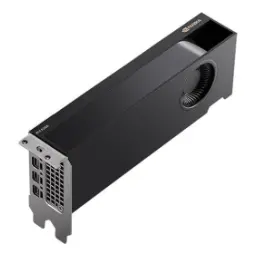
Nvidia
NVIDIA RTX A2000From Rs. 217,000
Local price
Lowest current price2 offers
Updated 1 day ago