Price Breakdown & Availability
Here's how current offers compare across retailers.
Nvidia GeForce RTX 5060 Ti Twin Edge OC

You Might Also Like
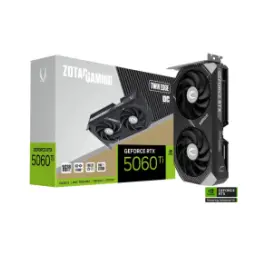
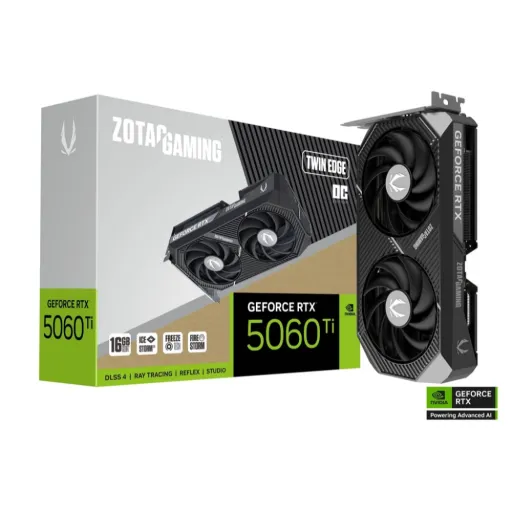
This Twin Edge OC edition is designed to feel current, because it’s built around NVIDIA’s Blackwell based GeForce RTX 5060 Ti platform. The ZOTAC GAMING Twin Edge OC positioning stays clearly compact and practical, choti case mein bhi fit ho jata hai, while keeping a dual fan layout for everyday stability. The core configuration brings 4608 CUDA cores and targets that balanced sweet spot, jahan gaming bhi smooth hoti hai aur daily creation bhi asaani se chalti hai. The GPU silicon is listed as GB206 for the RTX 5060 Ti family, so you’re stepping into the newer stack without oversized board requirements. The power profile is kept sensible at 180W, which helps builders keep thermals and PSU planning under control, rozana ke use mein tension kam rehti hai. The single 8‑pin power input also keeps wiring straightforward, clean build look banta hai aur cable management easy hoti hai. The Twin Edge OC line is marketed with Blackwell plus DLSS 4 support, meaning the upgrade is not only raw compute but also AI assisted smoothness. The RTX 5060 Ti launch timing is shown around mid April 2025 on NVIDIA’s family page, so this sits in the newer generation window rather than older refresh territory. The overall vibe stays focused on efficient performance per size, jahan heat kam aur behavior predictable rahe, which matters more than flashy bulk
This output layout is built for modern monitors, with three DisplayPort 2.1b ports plus one HDMI connector on the Twin Edge OC spec sheet. The DisplayPort configuration is listed as DP 2.1b with UHBR20, so high bandwidth panels feel less compromised, especially when you want smooth motion and sharp text together. The HDMI port is described with HDMI 2.1b capabilities, which supports living room style setups, TV pe bhi gaming ka scene asaan ho jata hai. The listed DSC supported modes enable very high refresh targets at higher resolutions, so competitive feel smoothness can remain a priority even as pixels increase. The quad display capability makes multitasking more natural, aik side Discord ya browser, doosri side game ya timeline, aur workflow bikul manageable rehta hai. The HDCP 2.3 support is also listed, which helps keep streaming and protected playback smoother with fewer handshake surprises. The practical win is fewer adapters and fewer compromises, kyunke ports modern hain aur monitor upgrade ka raasta open rehta hai. The experience stays clean for dual PC or creator desks, because DisplayPort availability helps when you’re juggling high refresh plus color work. The end result is a GPU that feels ready for today’s screens, bina awkward limitations ke, and that confidence shows up daily
This GPU’s baseline compute setup is clearly defined, with 4608 CUDA cores listed for the RTX 5060 Ti and mirrored on the Twin Edge OC page. The ray tracing hardware is shown as 36 RT cores for the RTX 5060 Ti, which matters when lighting and shadows start getting heavier in modern engines. The AI acceleration side is listed at 144 Tensor cores, so upscaling and neural features have dedicated throughput, lag nahi hota jab features on karte ho. The Blackwell family positioning highlights 4th gen RT and 5th gen Tensor cores at the series level, which signals a newer feature set rather than recycled blocks. The Twin Edge OC is specified with a 2602 MHz engine clock, so you’re getting a factory tuned push for snappier frame delivery under load. The RTX 5060 Ti clocks on NVIDIA’s family table show a 2.41 GHz base and up to 2.57 GHz boost, giving context for where partner OCs typically land. The DLSS 4 callout on the Twin Edge OC listing points toward AI driven smoothness, jahan frames feel zyada stable and motion clarity stays pleasant. The practical benefit is less fiddling and more consistent play, kyunke baseline hi strong hai and you can keep settings balanced without constant compromise
This cooling setup is built for consistency, with ZOTAC listing IceStorm 2.0 cooling on the Twin Edge OC specification block. The dual fan compact form factor is highlighted as the Twin Edge identity, choti build mein bhi airflow ka scene workable rehta hai, and that matters for SFF upgrades. The BladeLink fan mention points to a design aimed at directed airflow, so hotspots can stay controlled during longer gaming marathons. The FREEZE fan stop feature is also called out, which helps keep idle noise down, jab aap sirf browsing ya office work kar rahe ho. The metal backplate note adds a sturdier feel in the hand, haath mein solid lagta hai, and it can help with handling in tighter cases. The physical footprint is listed around 220.5mm length with a 2 slot size, so installation stays straightforward without forcing a huge chassis. The broader ZOTAC 5060 series messaging emphasizes SFF ready compatibility, meaning the design intent is drop in practicality rather than oversized showpiece builds. The end result is a GPU that stays calm under routine pressure, heat kam rehta hai, and your gameplay feels more stable because thermals don’t spiral
This board power target is easy to live with, because ZOTAC lists 180W power consumption for the RTX 5060 Ti Twin Edge OC. The single 8 pin power input keeps the build cleaner, aik hi connector se kaam ho jata hai, and cable routing stays simple in compact cases. The recommended PSU on the Twin Edge OC listing is shown as 600W, which helps you plan upgrades without guesswork. The bus connection is specified as PCI Express 5.0 x8, so you’re aligned with newer platforms while still being compatible with typical PCIe back compat behavior. The RTX 5060 Ti family is also described as using PCIe Gen 5 and DisplayPort 2.1b in launch coverage, which reinforces that the I/O stack is meant for current setups. The PCIe x8 design is discussed as normal for this GPU, and revisions swapping connectors are said not to affect performance because the card is electrically designed for x8 speeds. The practical benefit is less anxiety about “missing lanes,” kyunke real world usability stable rehti hai, and the build stays efficient. The overall power plus interface combo suits mid tower and SFF builds alike, jahan heat aur noise ko manage karna priority hoti hai, while keeping performance in a competitive tier
This memory subsystem is framed for current games, with ZOTAC listing GDDR7 paired to a 128 bit memory bus on the RTX 5060 Ti Twin Edge OC. The effective memory speed is listed at 28 Gbps on the Twin Edge OC spec, which supports quicker asset pulls and smoother texture streaming, especially jab aap higher settings try karte ho. The RTX 5060 Ti family is shown by NVIDIA as offering 16GB and 8GB GDDR7 standard configurations, so buyers can match VRAM to their workload rather than guessing. The Twin Edge OC lineup appears in both 8GB and 16GB store listings depending on SKU, which is useful if your use includes heavier projects or longer term game installs. The TechPowerUp database also ties the RTX 5060 Ti to 8GB GDDR7 on a 128 bit interface and lists the effective 28 Gbps memory rate, giving consistent third party context. The same database lists 448.0 GB/s bandwidth for the 8GB model, which helps explain why the card can feel responsive even without a wider bus. The real benefit shows up as fewer sudden stutters, rozana ke gameplay mein frame pacing zyada disciplined lagti hai, and loading hitches feel less frequent. The takeaway is simple: memory is not just a number here, balkeh experience ko smooth rakhne ka tool hai, and you can choose the capacity that fits your habits
This generation leans hard into AI assisted rendering, with NVIDIA positioning the RTX 5060 Ti under Blackwell with 5th gen Tensor cores and 4th gen RT cores in the family spec table. The RTX 5060 Ti hardware totals are listed as 144 Tensor cores and 36 RT cores in TechPowerUp’s database, which gives you a clear picture of the on die acceleration blocks. The AI performance figure is shown as 759 AI TOPS on a ZOTAC RTX 5060 Ti Twin Edge OC specification page, so AI features aren’t an afterthought at this tier. The Twin Edge OC product listing directly calls out DLSS 4, which is the practical lever for higher FPS feel, bina resolution ko totally sacrifice kiye. The broader launch coverage also mentions DLSS 4 and Multi Frame Generation as key RTX 50 series messaging, which helps explain why these cards aim to feel smoother than raw raster alone. The GB206 notes on TechPowerUp’s Twin Edge OC entry reference 4th gen RT cores and 5th gen Tensor cores, aligning the board with the newer neural rendering direction. The same notes also list NVENC and NVDEC generations for GB206, which is useful for streamers who want stable encode paths alongside gaming. The real world benefit is a more flexible settings strategy, kyunke aap visuals ko strong rakh sakte ho, while AI tools help keep motion fluid where it matters
This card is built to drop into real builds, with ZOTAC positioning the 5060 series as SFF ready and emphasizing wide case compatibility for compact upgrades. The Twin Edge OC is listed at a slim 2 slot design and around 220.5mm length, so installation feels less stressful, tight cases mein bhi asaani se adjust ho jata hai. The multi display capability is stated as quad display, which is great for productivity layouts, aik monitor game, aik chat, aik music, aik browser. The software side is supported via ZOTAC’s FireStorm utility mention, letting you manage behavior without messy third party tools, settings ko clean aur controlled rakhna easy hota hai. The supported OS list includes Windows 11 and Windows 10 64 bit, so compatibility remains mainstream for most gaming rigs and creator machines. The API support callouts include DirectX 12 Ultimate and OpenGL 4.6 on the spec sheet, which helps modern engines and tools run with fewer feature gaps. The practical ownership win is lower friction day to day, kyunke size manageable hai, ports updated hain, and the card behaves like a clean upgrade rather than a project
This GPU makes sense when you want balance, because the RTX 5060 Ti sits in the 5060 family as a Blackwell option with 4608 CUDA cores and modern I/O expectations. The Twin Edge OC approach keeps the footprint compact and SFF ready, meaning you can upgrade performance without rebuilding the entire case ecosystem, choti build ko bhi fresh life mil jati hai. The partner card reality is also part of the story, with coverage noting NVIDIA isn’t offering a Founders Edition for this tier, so models like Twin Edge OC become the practical buying lane. The core efficiency profile stays approachable at 180W with a single 8 pin connector, which avoids the “new GPU means new everything” headache, budget aur setup dono control mein rehte hain. The PCIe 5.0 x8 design is repeatedly treated as normal for this GPU class, so you’re aligning with the intended electrical layout rather than a compromise. The memory story stays practical with 128 bit GDDR7 at 28 Gbps on Twin Edge OC listings, which helps modern titles feel responsive even in busy scenes. The closing takeaway is a confident, grounded upgrade path, kyunke yeh card performance, size, and power ko balance karta hai, and that balance tends to age well
Here's how current offers compare across retailers.
Review current prices and specifications side by side.
Nvidia
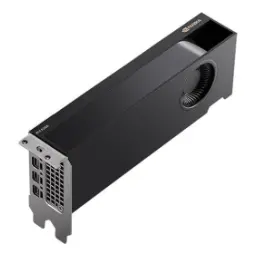
NVIDIA RTX A2000From Rs. 217,000
Local price
Lowest current price2 offers
Updated 1 day ago