







Price Breakdown & Availability
Here's how current offers compare across retailers.
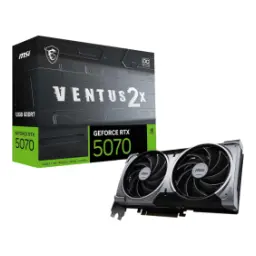
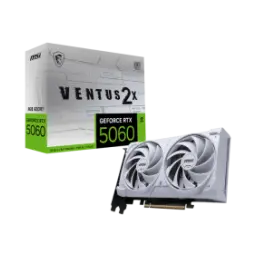
MSI GeForce RTX 5070 Ventus 2x OC


You Might Also Like
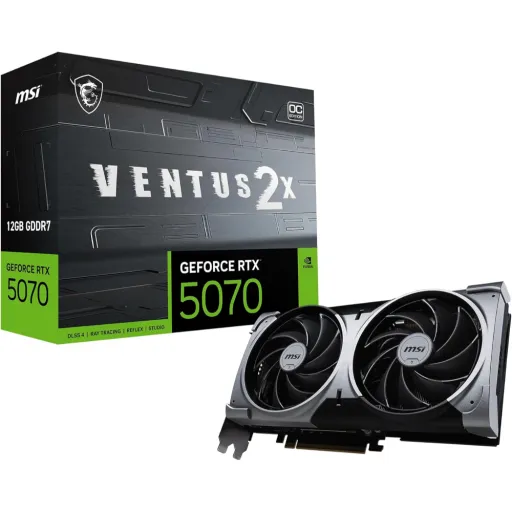
This MSI GeForce RTX 5070 VENTUS 2X OC is built for buyers who want a current gen NVIDIA platform without jumping into oversized triple fan territory, aur daily use mein clean fit ka benefit milta hai. This graphics card is officially positioned on the NVIDIA Blackwell architecture, so new gen display and neural rendering features are part of the core design rather than add ons. This 12GB GDDR7 configuration aims to keep 1440p gaming and creator workloads comfortable, rozana ke sessions mein textures aur assets ko breathing room milta hai, while system balance stays sensible. This Ventus 2X OC variant also keeps the platform practical with PCI Express Gen 5 support, meaning a new motherboard build feels aligned even if real world FPS mostly depends on the GPU itself. This model’s 6144 CUDA core count gives a clear baseline for compute capability, aur multitasking type loads mein responsiveness zyada predictable rehti hai, especially when games and apps stack together. This is the kind of GPU that suits a “do everything” PC identity, where gaming, streaming, and creative tools run side by side with lag nahi wali feel
This MSI RTX 5070 Ventus 2X OC comes with three DisplayPort 2.1b outputs plus one HDMI 2.1b, so multi monitor setups stay straightforward and cable planning asaan ho jati hai. This output layout supports up to four displays, which matters if work screens and a gaming panel run together, aur switching ka jhanjhat kam hota hai, while desk flow feels organized. This HDMI 2.1b spec is called out by MSI with support notes for up to 4K 480Hz or 8K 120Hz with DSC, so premium TV gaming and high end panels remain within scope. This Blackwell generation also highlights DisplayPort 2.1b UHBR20 capability at the architecture level, which helps future monitor upgrades feel less risky, bilkul future ready type planning ke liye. This is especially useful for high refresh competitive play, where motion clarity benefits from stable output standards and smooth delivery, aur screen tearing ki tension naturally reduce hoti hai. This card’s maximum digital resolution is listed up to 7680 x 4320, so even if 8K is not a daily target, the headroom helps when scaling desktops and creator timelines
This RTX 5070 generation is tied to DLSS 4 with Multi Frame Generation for GeForce RTX 50 Series, which is designed to generate up to three additional frames per rendered frame, aur heavy scenes mein smoothness ka farq zyada clear hota hai. This DLSS 4 stack also upgrades core models using transformer architecture for Ray Reconstruction and Super Resolution, so fine detail stability can improve when motion gets fast. This matters for real gameplay because fast camera pans and particle heavy moments can look cleaner, aur ghosting type artifacts ki annoyance kam hoti hai, while the image stays more consistent. This Blackwell platform also talks about enhanced flip metering to support frame pacing needs, which targets that “smooth scrolling” feel in motion for modern frame generation methods. This architecture discussion includes new RT Core improvements and memory footprint compression ideas, so ray traced geometry workloads can be approached with more efficiency, aur visuals cinematic lagte hain, without instantly feeling too heavy. This kind of feature set is valuable when a buyer wants a GPU that ages gracefully, kyun ke upcoming titles mein AI assisted rendering common hota ja raha hai, and a modern baseline keeps settings options open
This Ventus 2X OC edition ships with MSI listed boost behavior of 2542 MHz and an “Extreme Performance” profile up to 2557 MHz through MSI Center, so light tuning is available without manual trial and error. This kind of factory OC approach tends to suit users who want plug and play speed, aur phir bhi stability ko priority dena chahte hain, because daily drivers need predictability. This GPU includes 6144 CUDA cores as listed across major product databases and retailers, so the compute baseline is clear when comparing against other tiers in the same generation. This MSI ecosystem pairing also highlights MSI Afterburner support for deeper tuning, which helps enthusiasts refine fan curves and clocks, aur jitna control chahiye utna mil jata hai, without forcing it on casual users. This approach is useful for esports and fast twitch games, where input feel improves when clocks stay steady under bursts, aur micro stutter ki feeling kam hoti hai, during long matches
This graphics card carries 12GB of GDDR7 memory, which is a sweet spot for many modern game installs and creative caches, aur “storage kafi” wali relief VRAM side par bhi feel hoti hai. This MSI spec also lists 28 Gbps memory speed on a 192 bit interface, so bandwidth focused tasks like high res textures and complex frame buffers can feel more breathable. This combination is commonly summarized as about 672 GB/s of theoretical memory bandwidth in reference databases, which helps explain why the card stays composed when visuals get dense. This Blackwell generation is also framed around GDDR7 being the fast memory choice with speeds up to 30 Gbps in NVIDIA’s platform messaging, so the technology direction is clearly “high throughput by default.” This matters for open world games and modded packs because VRAM pressure can be the hidden bottleneck, aur jab headroom ho to settings ko baar baar trim nahi karna parta, while visuals remain stable
This MSI Ventus design uses TORX Fan 5.0 with linked blades for airflow focus, so sustained sessions feel more consistent and heat kam rehne ki expectation realistic banti hai. This cooler layout is described with a nickel plated baseplate to absorb and transfer heat from GPU and memory, which supports steadier boost behavior when the load stays high. This heatpath also mentions Core Pipes with a square design to maximize contact, so the thermal story is about spreading heat quickly rather than letting hotspots build up. This reinforced backplate includes a vent for direct exhaust airflow passage, which helps reduce stagnant hot air inside the case, aur overall airflow planning asaan ho jati hai, for mid tower builds. This specific MSI card is listed as a dual fan open fansink design with a roughly 2.2 slot footprint by major retailers, so builders can estimate clearance with fewer surprises
This MSI RTX 5070 Ventus 2X OC is rated at 250W power consumption, so PSU selection can stay reasonable while still respecting headroom for CPU boosts. This card uses a single 16 pin power connector and MSI notes an ATX 3.1 PSU recommendation, which keeps the wiring cleaner and reduces adapter drama, aur build ka look bhi tidy rehta hai. This model’s recommended minimum system power is listed as 650W by MSI, so planning a quality PSU becomes the “set it once” step instead of troubleshooting later. This platform also runs on PCI Express Gen 5, which aligns well with modern motherboards and keeps the overall spec stack current, aur future upgrades mein mismatch chances kam hotay hain, even if bandwidth is not the everyday limiter. This is a good fit for users who want performance per watt to feel controlled, kyun ke stable power planning se thermals aur fan noise dono manageable rehte hain, during long gaming nights
This RTX 5070 class is commonly listed with an AI performance figure around 988 TOPS by board partners and retailers, which signals strong tensor throughput for AI assisted effects, aur creative tools mein speed zabardast feel ho sakti hai. This same 988 TOPS figure also appears in large retailer spec tables for comparable RTX 5070 AIB cards, which helps validate the class level positioning beyond one website. This Blackwell generation pushes transformer based DLSS Ray Reconstruction and Super Resolution improvements, which can benefit creators who need clean edges and stable motion for capture and editing. This DLSS 4 Multi Frame Generation direction also reflects how AI is being used to increase perceived smoothness, so recorded gameplay and live preview can feel less choppy when scenes are heavy, aur editing timeline par “stutter” wali tension kam hoti hai. This is a practical pick for hybrid users because gaming and creation share the same pain points, aur jab GPU stable ho to export, preview, aur play sab smoother lagta hai, in one machine
This MSI Ventus 2X OC card is listed at 236 x 126 x 50 mm, so case fit checks become simple and choti clearance mistakes se bachna asaan hota hai. This size class also appears as a roughly 9.3 inch length in MSI store listings, which helps builders visualize front fan and radiator clearance more accurately. This GPU supports DirectX 12 Ultimate and OpenGL 4.6 per MSI, which keeps compatibility strong for modern engines and professional viewports, aur software side par weird issues ke chances kam hotay hain. This card is also listed as VR Ready with support for up to four displays, which fits a workstation meets gaming desk where one PC runs everything. This output set is consistent with RTX 5070 reference database listings showing DP 2.1b and HDMI 2.1b, so the connectivity story is not a niche variant surprise
This MSI RTX 5070 Ventus 2X OC makes sense for buyers aiming at high refresh 1440p and selective 4K features, kyun ke output standards aur DLSS direction dono modern hain, while the card stays manageable in size. This 12GB GDDR7 and 192 bit setup is a practical texture headroom profile rather than an extreme workstation spec, aur isi liye everyday gaming plus creator work ka balance strong rehta hai. This dual fan cooling approach is best for users who value stable sustained performance with less case clutter, aur heat management ko “theek” rakhna chahte hain, while keeping build aesthetics clean. This power profile at 250W with a 16 pin connector and 650W PSU recommendation supports sensible upgrade planning, so the GPU does not force a full platform rebuild in many scenarios. This Blackwell platform focus on DisplayPort 2.1b and PCIe Gen5 helps future proof the “monitor upgrade” path, aur aglay 2 3 years mein standards mismatch ka dar kam hota hai, for a confident buy
Here's how current offers compare across retailers.
Review current prices and specifications side by side.