
Price Breakdown & Availability
Here's how current offers compare across retailers.
You Might Also Like
This Corsair Vengeance LPX DDR4 kit targets builders needing workstation level headroom, rozana ke heavy apps ke saath, without turning your PC into a waiting game. The total capacity lands at 64GB in a 2x32GB layout, so large projects breathe easily and background tools bhi calm rehte hain. The rated speed is 3600 MT/s (often shown as 3600MHz), which helps memory heavy workflows feel more responsive when everything is tuned right. The standard desktop DIMM format stays plug and fit for most DDR4 boards, asaani se upgrade ho jata hai, and the two stick approach keeps slots available for future growth. The module design focuses on overclocking friendly behavior with XMP 2.0 support, so you get a cleaner path to the rated profile. The pure aluminum heat spreader helps move heat away from the ICs, heat kam rehta hai, which matters when you push sustained loads. The tested profile for this kit is specified at 3600 MT/s with 1.35V, giving you a clear target for stable tuning. The tested timing set is listed as 18 22 22 42, which is a practical balance for high capacity DDR4 at this data rate. The overall promise feels simple: zyada RAM, solid cooling, and a known performance profile for a confident DDR4 build
This kit’s headline speed is reached through XMP 2.0, which is designed for DDR4 profiles and keeps the setup process straightforward. The rated 3600 MT/s profile is stored on the modules, so enabling it in BIOS can apply validated settings without manual trial and error, bilkul asaani se. The one setting concept matters when you want performance but also want stability, kyun ke random lockups ka risk kam hota hai with a known profile. The DDR4 3600 rating maps to PC4 28800, which is a bandwidth class many builders pick as a sweet spot for modern DDR4 platforms. The practical benefit shows up in reduced “waiting moments,” like faster scene loads, smoother timeline scrubbing, and less micro stutter jab multiple apps open hon. The XMP method is still a form of memory overclocking, so platform behavior depends on motherboard and CPU support, and that’s normal for enthusiast memory. The fail safe behavior typically starts at default JEDEC settings first, phir aap XMP select karke rated profile apply karte ho for subsequent boots. The end result is a cleaner upgrade path: you get the kit you paid for, and you avoid endless tweaking when you just want stable speed. The tuning experience feels more controlled when the target is explicit, because this kit lists its tested voltage as 1.35V and tested speed as 3600 MT/s. The overall vibe stays simple: enable the profile, verify stability, and enjoy smoother system behavior, tension kam
This 64GB configuration is built for real multitasking, jab browser tabs, IDE, Discord, and creative apps sab saath chal rahe hon, and it keeps your system feeling composed. The kit comes as 2x32GB modules, which commonly suits dual channel layouts while leaving you expansion room on four slot boards for later. The 3600 MT/s tested speed helps those heavy scenarios feel snappier, especially when memory traffic spikes during exports, compiles, or virtual machine activity. The tested timing profile is stated as 18 22 22 42, which gives predictable behavior for stability focused builds instead of chasing extreme numbers. The high capacity reduces reliance on disk paging, jis se system slow feel hota hai, and that means smoother task switching under pressure. The standard module layout uses a 288 pin desktop DIMM format, so installation feels familiar for mainstream DDR4 motherboards and cases. The XMP 2.0 profile gives a quicker route to the rated setting, warna default mode par it can run at the JEDEC SPD baseline until you enable it. The SPD defaults are listed at 2133MHz with 1.2V, so first boot behavior stays safe and predictable even before tuning. The best part is how “effortless” your workload feels, because zyada RAM means fewer compromises while you work
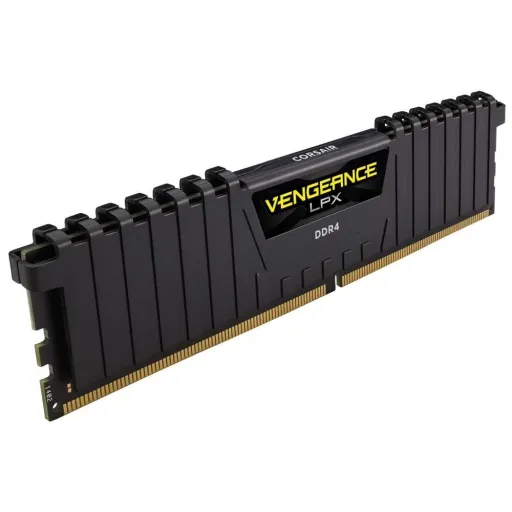
This memory uses a heat spreader made from pure aluminum, which is designed to dissipate heat faster and support consistent behavior under load. The heat spreader design is intended to pull heat away from the ICs into your case airflow, heat kam rehta hai, so overclocking headroom doesn’t vanish after long sessions. The tested profile specifies 1.35V at 3600 MT/s, and good thermal handling matters more when voltage and frequency move beyond base defaults. The low profile shape is aimed at tighter builds, jahan tower air coolers ya small cases mein clearance tight hoti hai, and it helps prevent physical fit headaches. The practical win is less thermal drift, so clocks stay stable and background tasks lag nahi kartay during marathon gaming or long renders. The anodized aluminum heat spreader is also a durability play, because it adds rigid protection around the memory chips while staying understated. The kit is explicitly positioned for high performance overclocking, so cooling is part of the design story rather than an afterthought. The everyday feel becomes more “consistent” than “bursty,” kyun ke sustained loads don’t force your system into random slowdowns as quickly. The result is a calmer PC experience, especially when your case airflow is decent and you keep profiles sensible. The bigger message is reliability through thermals, because stable temperature behavior usually supports stable memory behavior too
This Vengeance LPX kit is built on a custom performance PCB, which is intended to help manage heat and support overclocking headroom. The Corsair page calls out an eight layer PCB, and that extra complexity is typically used to improve signal integrity when speeds rise. The modules are described as using individually screened ICs, jo selection process ko tighter banata hai, so the kit behaves closer to its intended profile. The rated XMP 2.0 profile aims to deliver the fastest safe speed with minimal fuss, which matters when you value uptime over endless tweaking. The tested operating point is stated at 3600 MT/s and 1.35V, giving enthusiasts a baseline that is clear and repeatable. The tested latency is listed as 18 22 22 42, and that practical tuning target helps stability focused users avoid chasing risky ultra tight timings. The real advantage shows up during long sessions, jab memory errors would otherwise create random app crashes, and a more disciplined build reduces that anxiety. Intel also frames XMP as predefined profiles loaded through BIOS, so the memory’s onboard profile concept is an industry standard workflow rather than a niche trick. The design direction feels “engineered” instead of flashy, because there are no LEDs here and the focus stays on clean performance. The outcome is simpler: stable clocks, consistent responsiveness, and less troubleshooting when your build is meant to just work
This kit is compatibility tested as part of Corsair’s process, jo peace of mind deta hai when you are pairing RAM with a mainstream DDR4 motherboard. The memory format is listed as UDIMM with 288 pins, which aligns with typical desktop DDR4 platforms and keeps installation straightforward. The SPD baseline is specified at 2133MHz with 1.2V, so first boot behavior stays conservative even if you never touch BIOS settings. Intel notes that XMP memory modules first boot with default JEDEC settings, phir XMP profiles select kiye ja sakte hain for subsequent boots. The jump to 3600 MT/s happens after you enable the profile, which keeps the “safe start” experience intact for new builders. The BIOS workflow is also how Intel recommends loading predefined XMP profiles, so the method stays consistent across most enthusiast boards. The Corsair listing calls the performance profile XMP 2.0, which matches Intel’s guidance that XMP 2.0 is for DDR4 platforms. The practical takeaway is simple: default mode is stable, and tuned mode gives you the advertised speed jab system support kare. The two module configuration also keeps troubleshooting easier, kyun ke you can isolate issues by swapping slots or testing one stick when needed. The end experience stays predictable, because the kit clearly publishes both SPD and tested XMP targets for transparent setup
This DDR4 3600 profile can improve system “feel” in mixed workloads, jab CPU is juggling game assets, background apps, and OS tasks at once. The kit’s tested speed is 3600 MT/s, which raises available bandwidth compared to the conservative SPD baseline and helps reduce bottlenecks in memory sensitive moments. The tested latency is published as 18 22 22 42, so you are working with a known response time target rather than guessing timing values. The capacity advantage is equally tangible with 64GB installed, kyun ke large caches, big photo libraries, and multi track timelines can stay in memory longer. The rated settings are reached through XMP, so the “fast mode” is something you intentionally enable rather than something that surprises you. The day to day outcome is fewer stutters, smoother alt tabs, and less hiccuping when opening heavy apps, bilkul practical difference. The voltage target is listed as 1.35V for the tested profile, so stable power delivery and decent cooling help keep behavior consistent under sustained loads. The low profile heat spreader supports airflow and clearance, which indirectly supports smoother performance because thermal stability helps memory stability. Intel positions XMP as a way to overclock compatible DDR4 memory for enhanced gaming performance, so this tuning path aligns with mainstream enthusiast practice. The overall experience feels refined when you want high capacity and reliable speed without chasing extreme, fragile settings
This memory kit’s maximum speed depends on platform support, so pairing it with a capable DDR4 motherboard and a solid CPU IMC keeps stability high. The Corsair product page explicitly notes that reaching rated speed requires BIOS adjustments and that results depend on system components, jo real world reality hai for XMP kits. Intel explains that you load predefined XMP profiles through BIOS or tuning utilities, so the correct BIOS menu is usually board vendor specific. Intel’s support guidance also frames XMP as an overclocking method for compatible DDR4/DDR5 modules, meaning a stability check after enabling profiles is a smart, professional habit. The safest approach is enabling XMP 2.0 first, phir aap basic stability run karke confirm karo, and only then consider any manual tuning. The tested profile targets 3600 MT/s at 1.35V with timings 18 22 22 42, so those numbers give you a clear “known good” reference if you ever need to reset and re apply. The default SPD state is 2133MHz at 1.2V, which is helpful for troubleshooting because you can always fall back to safe defaults if your system needs more tuning. The two stick layout usually makes memory training easier than filling all slots, kyun ke signal load kam hota hai and stability margins improve. Intel also notes that altering settings outside specs may impact warranty considerations, so responsible tuning and realistic expectations keep the upgrade stress free. The goal is a smooth daily system where performance stable rahe and you spend time using your PC, not debugging it
This Corsair Vengeance LPX kit makes sense when DDR4 is still your platform, kyun ke it delivers high capacity and strong tuned speed without forcing a full motherboard swap. The kit is specified at 64GB (2 x 32GB) with a 3600 MT/s tested profile, which sits comfortably in a performance focused DDR4 tier for gaming plus creation builds. The published tested voltage is 1.35V and the tested timing set is 18 22 22 42, so buyers get transparent targets instead of vague marketing. The low profile aluminum heat spreader focuses on long session stability, heat kam hota hai, and it keeps physical fit cleaner in air cooled builds. The XMP 2.0 support gives an easy on ramp to the rated profile, and Intel describes XMP as a way to overclock compatible DDR4 memory using predefined profiles via BIOS. The kit also includes a limited lifetime warranty from Corsair, which is valuable when RAM is a long term foundation component in your system. The clean black, no RGB design keeps builds understated, jo professional rigs aur minimal gaming setups dono ko suit karta hai. The safest expectation is that rated speed depends on your platform, so enabling XMP is a deliberate choice that you validate for stability rather than assuming it is automatic. The overall payoff is a smoother, more capable DDR4 machine that handles modern multitasking without feeling cramped, bilkul practical upgrade
Here's how current offers compare across retailers.