


Price Breakdown & Availability
Here's how current offers compare across retailers.
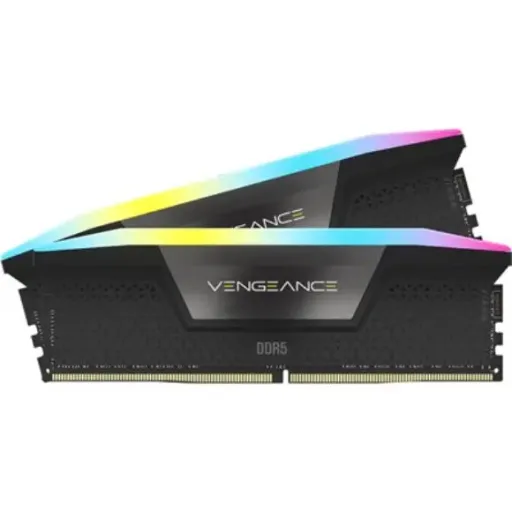
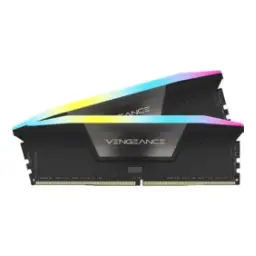
Corsair Vengeance RGB DDR5 32GB (2x16GB) 6000MHz

You Might Also Like
This CORSAIR VENGEANCE RGB DDR5 kit targets modern desktops with a clean, reliable upgrade path. A balanced 32GB capacity split into 2x16GB helps your PC stay responsive when apps stack up, rozana ka multitasking asaan ho jata hai. With a rated tested speed of 6000MT/s, the kit is built to feed modern CPUs quickly during heavy loads and fast scene changes. The dual module approach supports a straightforward dual channel setup on compatible DDR5 motherboards, bilkul simple install aur stable feel. For gaming plus everyday work, that extra memory headroom reduces background reloads so switching feels smoother, lag nahi hota. When content creation enters the mix, 32GB gives timelines, layers, and browser tabs room to breathe without constantly hitting the page file. The overall design language stays “builder friendly” while still looking premium in a windowed case, aur setup ka look instantly elevate hota hai. For buyers who want a known good DDR5 kit, this model’s capacity, speed rating, and platform positioning keep the decision simple
This VENGEANCE RGB DDR5 design focuses on visuals without sacrificing the core memory mission. Dynamic ten zone RGB lighting gives each module ten individually addressable LEDs, so effects look layered instead of flat, scene by scene. The panoramic light bar spreads illumination across the top edge, jis se case ke andar colors zyada evenly show hotay hain. Inside CORSAIR iCUE software, lighting controls can sync with compatible peripherals for a single, cohesive desktop vibe. Preset profiles save time when you just want a clean look for streaming, office work, or late night gaming sessions, asaani se set ho jata hai. Custom patterns let you match motherboard accents or GPU lighting, aur build ka theme intentional lagta hai. Ten zone addressing also helps avoid that “single color strip” effect, keeping motion effects crisp during transitions and camera pans. For a build that sits on a desk all day, the RGB becomes functional identity, not just decoration, kyun ke aap colors se mood set kar lete ho
This 6000MT/s rating is built for high throughput DDR5 workloads where bandwidth matters more often than people expect. The tested latency figure is listed as 36 38 38 76, which helps keep response times tight when games spike CPU demand, aur micro stutter ki chances kam hoti hain. The performance profile is Intel XMP 3.0, so the rated settings can be applied through a supported motherboard profile rather than manual tuning. Intel’s documentation notes XMP 3.0 is designed specifically for DDR5 and supports multiple profiles, which makes setup more flexible for enthusiasts. The tested voltage is shown as 1.25V for this kit, helping the memory hit its rated speed while staying within typical tuned DDR5 operating ranges, heat kam rehta hai. The bandwidth class is labeled PC5 48000, which is the common way retailers describe DDR5 6000 throughput capability. The day to day benefit shows up as quicker asset loading and less pause when switching between heavy apps, especially when Discord, Chrome, and a game are all open, sab kuch smooth feel deta hai. The speed marketing often says “6000MHz,” but the product specification commonly states 6000MT/s, so you get clarity on what the kit is actually rated to run
This DDR5 kit includes onboard voltage regulation support, which shifts more control onto the module and can simplify fine tuning. CORSAIR highlights iCUE based control for voltage regulation, so adjustments can feel more guided rather than pure BIOS trial and error, asaani se tuning ka confidence aata hai. DDR5 modules commonly rely on on DIMM PMIC behavior for overclocking workflows, and detailed coverage explains how PMICs manage multiple voltage rails on DDR5 DIMMs. The practical advantage is steadier behavior during long gaming sessions, jahan sudden crashes ya random reboots bilkul annoying hotay hain. Intel also notes that XMP 3.0 adds DDR5 specific capabilities including on module voltage control considerations, which is part of why the DDR5 tuning experience differs from DDR4. When you want silent stability, you can simply run the validated profile and enjoy consistent performance without chasing extreme numbers, rozana ke use mein peace of mind milti hai. When you want to experiment, the platform support for saving or selecting profiles makes iteration faster, so your “game profile” and “work profile” can feel distinct. The end result is a more controlled upgrade where performance gains feel repeatable, and that repeatability is what makes a high speed kit actually enjoyable
This kit uses an aluminum heat spreader to move heat away from the memory ICs more efficiently during long sessions. CORSAIR calls out a solid aluminum heatspreader design, which supports stable behavior when the case is warm and airflow is shared with a big GPU, heat kam aur stability zyada. The Tech Specs list the heat spreader material as aluminum, so the thermal story matches the spec sheet rather than being just cosmetic. A cooler running module helps maintain consistent timings under load, especially when your system is streaming, gaming, and recording at once, performance bohat stable rehti hai. The refined VENGEANCE styling also gives the build a clean, modern look that pairs well with minimal or RGB heavy setups. Retail listings also reinforce the aluminum heatspreader attribute alongside iCUE support and XMP 3.0, so the feature set remains consistent across channels. When airflow is limited in compact cases, the heat spreader gives you extra margin before thermals become a bottleneck, choti build mein bhi kaam aa jata hai. For builders who care about sustained performance, this is the kind of “invisible” feature that keeps the experience smooth long after the RGB novelty fades
This memory kit uses a 288 pin UDIMM format made for DDR5 desktop motherboards, so installation stays straightforward. CORSAIR’s own memory guide explains UDIMM as unbuffered memory where the CPU’s memory controller talks directly to the chips, jis se latency generally low rehti hai. The product Tech Specs confirm the package pin count is 288, matching the physical socket requirement for standard DDR5 DIMM slots. The Tech Specs also list the memory format as UDIMM, which aligns with mainstream consumer builds rather than server style registered DIMMs. CORSAIR lists compatibility targeting Intel 600, 700, and 800 series platforms, so buyers can map it quickly to common DDR5 chipset generations, bilkul clear direction milti hai. Best Buy’s spec sheet calls the module unbuffered, which is what most desktop PCs expect for plug in upgrades. With the correct DDR5 board, the physical install is simply aligning the notch and pressing evenly until both latches click, asaani se ho jata hai. For builders who want fewer surprises, UDIMM plus clear pin specification is the kind of detail that prevents “wrong RAM” mistakes at checkout
This Corsair Vengeance RGB DDR5 kit is specified as Non ECC in mainstream retail documentation, matching typical consumer desktop expectations. Non ECC memory skips error correction circuitry, which keeps the design simpler and can reduce overhead for everyday speed focused use, gaming mein response zyada snappy feel hota hai. Crucial explains that ECC provides added correction capability but is generally unnecessary for most consumers, and it can carry a small performance decrease in typical scenarios. For creative pros running mission critical simulations, ECC can be the right call, lekin normal editing, streaming, aur gaming ke liye Non ECC bilkul fine hota hai. Best Buy also lists the kit as unbuffered alongside Non ECC, which aligns with the classic desktop RAM profile rather than workstation only configurations. The real benefit for most users is compatibility and performance focus, so the money goes into speed, capacity, and cooling instead of specialized correction features. When your workload is competitive gaming or general productivity, stable high frequency behavior matters more than enterprise grade error correction, rozana mein hassle kam hota hai. For builders choosing a clean DDR5 setup, Non ECC is the default for a reason: broad support, simpler tuning, and performance that feels immediate
This 32GB (2x16GB) configuration hits a practical sweet spot for modern Windows gaming and creator workflows. TechRadar’s DDR5 buying guidance highlights 32GB kits as a meaningful step up for many users, especially when multitasking and performance expectations keep rising, futureproofing bhi ho jati hai. GamesRadar also frames 5000 6000MHz as a common performance target zone, and this kit sits right in that range for builders who want modern responsiveness. With two sticks instead of one, dual channel behavior is easier to achieve on most desktop boards, jis se memory access zyada balanced feel hota hai. The practical day to day win is fewer reloads and less tab discarding, so switching between browser, IDE, and a game feels less “stop and go.” A 32GB pool also supports heavier background tasks like voice chat, capture utilities, and mod managers, bina system ko choke kiye. When you upgrade RAM, the goal is not just higher numbers, but a calmer PC that stays smooth under pressure, aur yeh capacity wahi calmness deti hai. For anyone tired of “close apps to play,” this capacity class makes your rig feel like it finally has room to breathe
This memory kit is rated at 6000MT/s, but reaching rated speed typically requires enabling a profile in your BIOS/UEFI rather than leaving defaults. CORSAIR’s own disclaimer notes that rated speed can require overclocking or BIOS adjustments, so planning a quick setup step avoids confusion after first boot, bilkul clear expectation set hoti hai. The Tech Specs list an SPD speed of 4800MHz, which is the kind of default you might see if a performance profile is not selected. Intel’s XMP documentation explains the role of XMP in simplifying RAM overclocking, making it a practical “one toggle” step for many DDR5 desktop builds. CORSAIR’s guidance on XMP and EXPO compatibility notes that profile support depends on the specific kit and the product page Tech Specs, so matching platform to kit stays important. AMD also describes EXPO as an easy path to DDR5 memory overclocking on AM5, so AMD builders should confirm whether their chosen VENGEANCE kit is EXPO capable before checkout, warna profile mismatch ka masla aa sakta hai. Inside CORSAIR iCUE software, you can handle RGB synchronization and explore supported controls without constantly rebooting into BIOS, asaani se desk par hi manage ho jata hai. With the profile enabled and lighting dialed in, the kit delivers the intended blend of speed, stability, and aesthetics that makes a DDR5 upgrade feel complete
Here's how current offers compare across retailers.
Review current prices and specifications side by side.