

Price Breakdown & Availability
Here's how current offers compare across retailers.
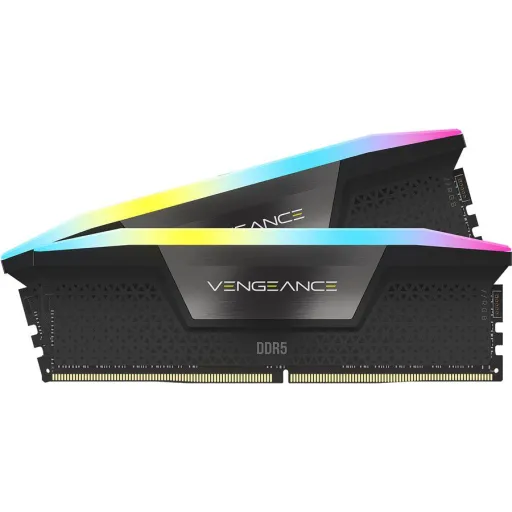
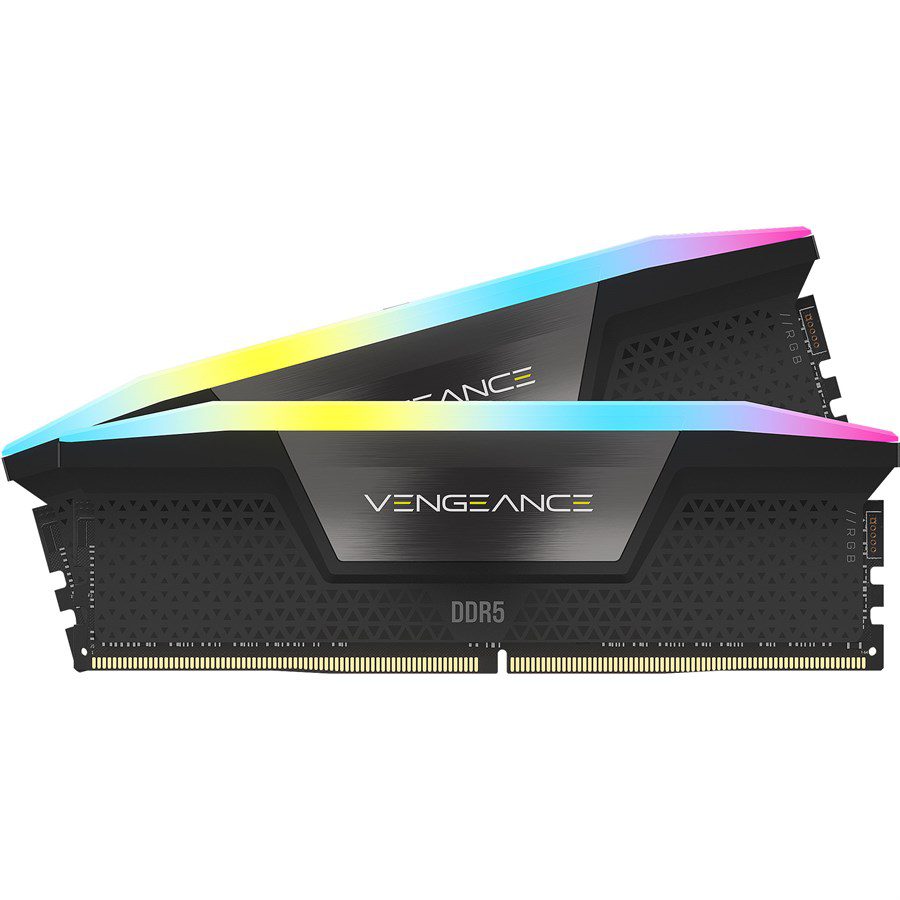
Corsair Vengeance RGB DDR5 32GB (2x16GB) 5600MHz

You Might Also Like
This Corsair Vengeance RGB DDR5 32GB kit is designed to modernize a desktop build with DDR5 bandwidth and a showpiece look. The dynamic ten zone lighting setup adds a crisp, individually addressable glow per module, so your RAM stops looking like an afterthought, bilkul premium vibe aati hai. The overall DDR5 jump is about higher bandwidth and a more future friendly platform compared to DDR4, especially when workloads scale, rozana ke tasks se le kar heavy apps tak. The 5600MT/s speed tier targets that “fast but sensible” sweet spot for current Intel class DDR5 desktops, without making stability feel like a science project. The visual design stays panoramic and bright, lekin control aapke haath mein rehta hai through software based profiles. The positioning is straightforward: strong everyday responsiveness, smoother creative multitasking, and lighting that actually syncs, asaani se. The kit format keeps installation simple for mainstream DDR5 boards, so upgrades feel less risky for first time builders
The 32GB capacity in a 2x16GB kit balances real world headroom and practical compatibility for modern desktops. The dual module layout supports dual channel operation on typical consumer platforms, which helps bandwidth sensitive tasks feel more consistent, game loading se le kar project files tak. The extra capacity helps when browsers, launchers, and background tools pile up, rozana ke use mein, so fewer tabs get forced to reload. The same headroom matters for creators who keep a timeline open while exporting, because memory pressure is where stutters start, aur phir frustration hoti hai. The kit also makes sense for “next two years” planning, since 32GB is increasingly the comfortable baseline for mixed gaming and productivity. The 2x16GB approach keeps an upgrade path open on four slot boards, so later expansion stays simple, asaani se. The everyday benefit is not just “more RAM,” but fewer interruptions when switching contexts, which keeps a PC feeling fresh
The tested speed lands at DDR5 5600 (5600MT/s), giving the system more bandwidth than baseline DDR5 settings when the profile is enabled. The speed rating is listed as PC5 44800 for DDR5 5600, which aligns with common DDR5 naming used by board vendors and retailers, samajhna easy ho jata hai. The modules also include an SPD baseline (often used when profiles are not enabled), which Corsair lists at 4800MT/s for this kit family. The practical impact shows up in responsiveness during heavy scene loads and big asset streaming, jahan lag nahi chahiye hota. The kit uses Intel XMP 3.0 as the performance profile approach on many variants, which is the common “one switch” method to run rated settings. The result is a smoother, more predictable PC feel during multitasking bursts, without needing manual timing tuning, bilkul straightforward
The Intel XMP 3.0 support is built for DDR5 and is meant to make memory tuning faster than manual dialing. The XMP 3.0 spec can support up to five profiles (including vendor and rewritable profiles), which helps flexibility for different use cases, gaming profile alag aur creator profile alag. The Corsair Vengeance RGB DDR5 lineup highlights custom Intel XMP 3.0 profiles as a core feature for saving performance settings. The same approach also reduces trial and error when a motherboard supports the profile cleanly, warna manual tuning time waste karta hai. The day to day benefit is stable clocks during real usage, so app launches and asset loads feel consistent across reboots. The compatibility check still matters, kyun ke XMP support motherboard vendor aur BIOS par depend karta hai. The setup experience stays beginner friendly because the performance intent is saved in a profile, not hidden behind dozens of BIOS fields
The signature look comes from ten individually addressable RGB LEDs per module inside a panoramic light bar design. The dynamic ten zone layout helps patterns look smoother and less blocky, so case lighting feels refined, bilkul clean aesthetic. The iCUE software ecosystem is built to synchronize compatible CORSAIR devices, meaning RAM effects can match fans, strips, and peripherals. The same software also supports deeper scene style lighting with iCUE Murals, jo poori setup ko ek theme mein le aata hai. The practical advantage is cohesion, because one lighting layer controls multiple zones instead of juggling separate apps. The lighting stays a bonus feature rather than a distraction, since profiles can be subtle for work and louder for weekends, asaani se. The visual identity also works well in tempered glass cases where RAM sits at eye level, turning a functional part into a design element
The aluminum heat spreader design helps pull heat away from the memory ICs during long sessions. The benefit shows up when airflow is average, kyun ke heat kam rahe to stability zyada hoti hai. The DDR5 platform shift includes on module power management concepts, which helps modern kits behave more predictably at higher data rates. The Corsair Vengeance RGB DDR5 feature set also calls out onboard voltage regulation with iCUE control for easier, finely tuned output. The tested voltage for the 5600MT/s profile is listed at 1.25V on Corsair’s specs for this kit class, which is typical for rated DDR5 profiles. The real win is fewer random hiccups under load, so gaming marathons aur export queues dono smooth feel karte hain
The kit uses a UDIMM desktop format, which is the standard approach for mainstream consumer DDR5 boards. The physical interface is a 288 pin DIMM layout, so compatibility starts with having a DDR5 motherboard, warna fit hi nahi hoga. The modules are listed as unbuffered on retailer specs for this exact Vengeance RGB 5600 kit family. The same listing also calls the kit Non ECC, which is normal for performance focused desktop gaming memory, server wali ECC line alag hoti hai. The DDR5 standard still includes on die ECC at the chip level to improve reliability, but that is not the same as full system ECC reporting. The benefit of this consumer format is easy installation and wide availability, so upgrades feel practical for home and office rigs
The DDR5 generation focuses on higher bandwidth and architectural updates that help modern CPUs stay fed during parallel workloads. The same platform changes include on module power management and two 32 bit subchannels per DIMM, jo responsiveness ko refine karte hain in many scenarios. The Corsair kit’s rated 5600MT/s profile is paired with specific tested settings, including a listed tested voltage of 1.25V on Corsair’s spec table. The fallback SPD behavior is also documented by Corsair with an SPD speed of 4800MT/s and SPD voltage of 1.1V for this family, which helps boots stay safe if profiles are off. The visible advantage is smoother frame delivery in CPU heavy moments and faster “back to work” switching, jahan lag nahi chahiye hota. The aesthetic advantage stays optional, because RGB can be tuned down for a clean build while keeping full performance
The most important step is confirming DDR5 motherboard support before purchase, because DDR4 and DDR5 are not interchangeable. The rated speed typically requires enabling an XMP profile and may involve BIOS adjustments, so default speeds can look lower at first, tension na lo. The motherboard and CPU combination ultimately affects achievable stability at rated profiles, which Intel also flags when discussing XMP compatibility checks. The cleanest setup path is using the board’s XMP toggle first, then validating stability through normal usage, rozana ke apps se start karo. The RGB setup stays separate from performance, because iCUE is for lighting synchronization and ecosystem control rather than a requirement for booting. The final outcome is a balanced DDR5 upgrade with 32GB capacity, 5600MT/s class throughput, and ten zone lighting that matches a premium build identity
Here's how current offers compare across retailers.
Review current prices and specifications side by side.