




Price Breakdown & Availability
Here's how current offers compare across retailers.
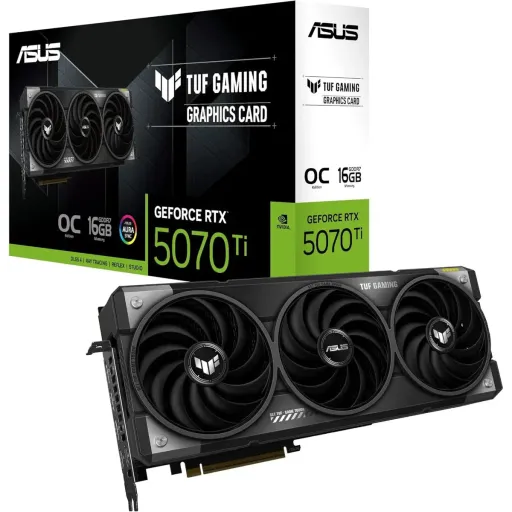
As of , there are 8 offers from 8 stores in Pakistan, priced Rs. 359,990 to Rs. 456,999.

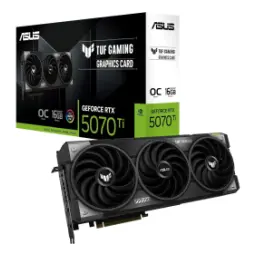
Asus Tuf Gaming GeForce RTX 5070 Ti 16GB GDDR7 OC Edition Gaming Graphics Card (PCIe 5.0, HDMI/DP 2.1, 3.125-slot, Military-Grade Components, Protective PCB Coating, Axial-Tech Fans)
Seller: JunaidTech
Updated
Asus Tuf Gaming GeForce RTX 5070 Ti 16GB GDDR7 OC Edition Gaming Graphics Card (PCIe 5.0, HDMI/DP 2.1, 3.125-slot, Military-Grade Components, Protective PCB Coating, Axial-Tech Fans)
Seller: JunaidTech
Updated
Rs. 409,999

ASUS TUF Gaming GeForce RTX 5070 Ti OC Edition 16GB GDDR7 TUF-RTX5070TI-O16G-GAMING PCI-Express 5.0 DLSS 4.0 Graphics Card
Seller: ZAHComputers
Updated
ASUS TUF Gaming GeForce RTX 5070 Ti OC Edition 16GB GDDR7 TUF-RTX5070TI-O16G-GAMING PCI-Express 5.0 DLSS 4.0 Graphics Card
Seller: ZAHComputers
Updated
Rs. 425,000
ASUS GeForce RTX 5070 Ti TUF Gaming OC Edition

Loading price history…
You Might Also Like
This ASUS TUF Gaming OC edition is made for reliability first builds, jahan long sessions mein stability matter karti hai. The card is based on the NVIDIA GeForce RTX 5070 Ti platform, and it carries 8960 CUDA cores to keep modern game engines and creator apps moving smoothly. With 16GB of GDDR7 memory onboard, heavy textures aur large assets zyada comfortably load hotay hain, so your workflow feels less “tight” under pressure. The overall design philosophy stays practical and durable, because TUF branding focuses on rugged components and long term consistency for daily use. The OC Edition tuning also targets extra headroom, taake boost behavior zyada confidently sustain ho when cooling is doing its job. This generation foundation comes from NVIDIA’s Blackwell family and is positioned around DLSS 4 support, which helps you chase higher perceived smoothness without always brute forcing native frames. The end result is a GPU that feels “set and stable” for upgrades, bilkul aisi vibe jo enthusiasts ko pasand aati hai when they want fewer surprises
Modern AAA visuals look best when the pipeline stays current, aur yahan Blackwell plus DLSS 4 ka combo meaningful lagta hai. ASUS explicitly positions this TUF RTX 5070 Ti OC around NVIDIA Blackwell architecture and DLSS 4, so you’re buying into the current feature stack rather than a transitional tier. Hardware ray tracing support is part of the RTX 5070 Ti capability set, which helps lighting and reflections feel more natural in supported titles. The display connectivity is also unusually flexible for multi screen setups, because ASUS lists 2 native HDMI 2.1b ports plus 3 native DisplayPort 2.1b ports for up to four displays. That port mix works well for high refresh gaming monitors and modern TVs, aur cable management bhi asaan ho jati hai when you can keep devices on their preferred inputs. The maximum digital resolution is specified up to 7680 x 4320, which matters for high resolution panels and pro grade previewing even if you game at lower resolutions. The platform itself is designed around DirectX 12 Ultimate support, so upcoming effects and modern rendering paths stay compatible over the card’s lifespan. Overall, the experience feels ready for “new monitor day,” bilkul bina is tension ke ke ports ya standards outdated nikal aayen
Real world responsiveness comes from strong shader resources, aur 8960 CUDA cores is tier ko proper heavyweight banate hain. ASUS rates the OC mode engine clock up to 2610 MHz, with a default boost clock listed at 2588 MHz, which supports that snappy “instant lift” feeling in bursty scenes. That extra clock headroom can translate into smoother minimums, rozana ke play sessions mein, especially when your case airflow is already decent. The RTX 5070 Ti is built on a 5 nm process according to major spec databases, and that efficiency class helps keep performance per watt more civilized than older high draw generations. The platform also runs on PCI Express 5.0, which keeps the interface current for modern motherboards while remaining compatible with mainstream builds through the standard slot. In gaming terms, this class is commonly positioned for 1440p and can scale into 4K with sensible settings choices, jahan DLSS ka leverage aapko “playable plus pretty” balance deta hai. The big benefit is consistency under variety, because you get strong baseline compute for raster, plus the modern RTX feature set for supported titles and engines
Sustained boost depends on thermal stability, aur TUF cooling ka whole point yahi hota hai. ASUS highlights a 3.125 slot design with a massive fin array optimized for airflow from three Axial tech fans, which is exactly what you want when sessions get long and room temps rise. The phase change GPU thermal pad is called out as part of the thermal strategy, and the key advantage is longevity under heavy loads because it’s meant to outlast traditional paste behaviors over time. That translates into fewer “why are my temps creeping up” moments, rozana ke usage mein, especially if you keep the card for multiple years. The thicker cooler approach also tends to reduce sudden fan spikes, so acoustics feel more steady during mixed workloads like gaming plus voice chat. ASUS also includes a TUF graphics card holder in the box on many retail listings, which supports the practical goal of keeping the GPU seated securely in real builds. The physical dimensions are listed at 329 x 140 x 62.5 mm, so you can plan airflow and clearance properly instead of guessing. If your priority is “heat kam, performance zyada stable,” this cooling first profile is one of the strongest reasons to pick the TUF OC edition
VRAM headroom matters more as games evolve, aur 16GB GDDR7 is a practical sweet spot for high quality textures. ASUS specifies 16GB GDDR7 on a 256 bit memory interface, which helps keep data moving smoothly when you push larger assets or heavier packs. The memory speed is listed at 28 Gbps, and that bandwidth class supports fast streaming of textures and frame data when scenes get dense. Major GPU spec references also attribute roughly 896 GB/s bandwidth to the RTX 5070 Ti configuration, which is useful context for why the card can feel less “stutter prone” in asset heavy moments. For creators, that same VRAM comfort helps with bigger timelines, layered effects, aur multiple high res sources, because you hit fewer memory walls in the middle of work. The bigger win is reduced compromise, since you can keep fidelity settings higher or run more background apps without instantly worrying about VRAM pressure. When you want one GPU for both play and productivity, yeh 16GB configuration practical lagti hai because it keeps your options open across new titles and evolving tools
AI acceleration is becoming a daily use advantage, aur ASUS even lists dedicated AI performance up to 1406 TOPs for this model. That capability can support AI assisted workflows, jaise denoise, upscaling, and certain creator features that increasingly lean on GPU compute. The RTX 5070 Ti spec profile also includes strong counts for tensor and ray tracing cores in major databases, which is relevant because modern toolchains often mix classic CUDA compute with AI and RT acceleration. Support for modern graphics APIs is also part of the package, with OpenGL 4.6 listed by ASUS and DirectX 12 Ultimate support shown in widely used spec references, keeping compatibility broad across games and pro apps. The PCI Express 5.0 bus standard helps ensure the card matches current platforms cleanly, aur upgrades future proof feel karte hain when the interface is not the bottleneck. If your routine mixes gaming plus editing, this is where Blackwell’s “do everything” vibe shows up in real usage, performance bohat stable rehti hai across different app types. The practical takeaway is simple: you get a gaming grade card that also behaves like a serious tool, without switching ecosystems
Long term GPU ownership is easier when build quality is real, aur TUF branding usually targets that exact peace of mind. ASUS calls out military grade components for rock solid power delivery and a longer lifespan, which is important when you keep the card under load for years. The protective PCB coating is specifically mentioned as a defense against short circuits caused by moisture, dust, or debris, and that’s a very practical feature for real rooms and real climates. Auto Extreme automated manufacturing is also highlighted, which aims to improve reliability through precision production rather than hand variance, bilkul woh cheez jo enthusiasts “consistency” ke liye prefer karte hain. ASUS additionally mentions GPU Guard and a bracket that helps reduce the risk of cracks and supports stable mounting, which matters because modern coolers are heavier and case movement happens. The included holder and accessories listed on official tech specs and retail pages reinforce the same idea: keep the GPU physically supported, taake sag aur stress kam ho over time. When you build for the long run, these “small” construction choices often become the difference between worry free use and constant checking
A smooth upgrade starts with planning the physical fit, aur ASUS clearly lists the card at 329 x 140 x 62.5 mm. That thickness means you should confirm your case and adjacent slot clearance, warna installation time par surprise hota hai and airflow can get cramped. The power recommendation is also clearly stated at 850W, which helps you size a sensible system rather than hoping an older PSU will behave. The card uses a single 16 pin power connector per ASUS specs, so cable routing and adapter planning stays straightforward for modern PSUs. On the platform side, the PCI Express 5.0 bus standard keeps compatibility aligned with current motherboards, and backward slot compatibility generally keeps upgrades easy in mainstream builds. The I/O is ready for mixed setups with 2 HDMI 2.1b plus 3 DisplayPort 2.1b, so multi monitor desk plus TV lounge scenarios don’t feel limited. If you want fewer headaches, yeh practical checklist follow karna worth it hai because a GPU upgrade should feel exciting, not like troubleshooting homework
A great GPU choice balances speed, thermals, and longevity, aur yeh TUF Gaming OC edition isi direction mein lean karti hai. The RTX 5070 Ti foundation delivers a strong core configuration with 8960 CUDA cores, and ASUS layers in an OC boost profile to add extra responsiveness when conditions allow. The 16GB GDDR7 memory setup supports modern texture demands and creator workloads, so you spend more time enjoying settings and less time managing limits. ASUS positions the card around Blackwell and DLSS 4, which is a practical “future facing” choice because it keeps you aligned with the newest RTX feature path. The cooling and durability choices are not just cosmetic, because the 3.125 slot fin array, Axial tech fans, and phase change thermal pad are aimed at sustained performance over long ownership. The connectivity and resolution support also keep the build versatile, with up to 7680 x 4320 max resolution and a five port mix that can drive multiple displays cleanly. When you want one upgrade that stays dependable, yeh GPU “daily driver” ban sakta hai for high refresh gaming, creative work, and multi monitor productivity without feeling fragile
As of , the lowest ASUS GeForce RTX 5070 Ti TUF Gaming OC Edition price in Pakistan is Rs. 359,990 at PakByte. We found 8 offers from 8 stores, priced from Rs. 359,990 to Rs. 456,999.
Here's how current offers compare across retailers.
Review current prices and specifications side by side.