
Price Breakdown & Availability
Here's how current offers compare across retailers.
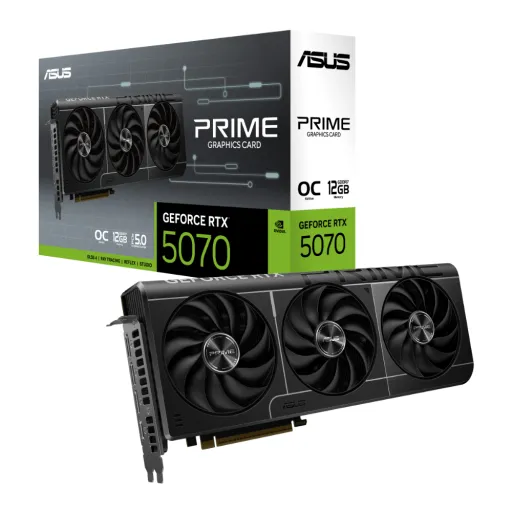
ASUS GeForce RTX 5070 ROG STRIX


You Might Also Like
This ROG STRIX edition is designed for enthusiasts who want a clean, controlled upgrade path, kyun ke daily gaming mein stability aur noise discipline dono matter karte hain. The platform starts with NVIDIA GeForce RTX 5070 at 6144 CUDA cores, so modern engines feel responsive under load and frame delivery zyada consistent rehti hai. The core identity also includes 12GB GDDR7 memory, which targets high quality textures and strong 1440p play without feeling immediately cramped. The bus interface uses PCI Express 5.0, meaning newer platforms par bandwidth headroom available rehta hai and the card stays current in fresh builds. The ROG Strix line also emphasizes engineered cooling and build details, taake boost behavior long sessions mein bhi predictable rahe and heat kam ho. The result feels like a deliberate “install and relax” GPU, jahan tuning optional ho aur default experience already refined
This ROG STRIX card supports modern display standards for gamers who juggle multiple screens, aur jinko smooth high refresh workflow chahiye hota hai. The output layout includes two native HDMI 2.1b ports plus three native DisplayPort 2.1b ports, so desk setup mein compatibility ka masla kam hota hai and cable juggling stays simple. The card can drive up to four displays at once, which helps when you keep a game on one panel and Discord, OBS, or dashboards side by side. The maximum digital resolution is listed as 7680 x 4320, so high resolution panels and sharp UI scaling feel practical for both play and creation. The Blackwell generation also highlights DisplayPort 2.1b UHBR20 capability for pushing extreme display modes, jo future monitor upgrades ko zyada comfortable banata hai when you move to higher refresh and resolution. This is the kind of output headroom that keeps motion clarity strong, rozana ke use mein, without forcing early compromises
This RTX 5070 generation is built around NVIDIA Blackwell, so the feature stack is not just raw frames but also smarter rendering that reduces the need for constant settings juggling. NVIDIA positions Blackwell with fifth‑gen Tensor Cores and DLSS 4 support, which is aimed at boosting performance using AI, especially jab scenes heavy ray tracing aur complex lighting use karte hain. The ROG Strix product page also calls out DLSS 4 with Multi Frame Generation and Reflex 2 features, meaning smoother perceived motion and a more responsive feel in supported titles. The same platform highlights fourth‑gen ray tracing cores and “Mega Geometry” capability, which is relevant when games push denser worlds and more detailed scenes, bilkul cinematic style. The PCI Express 5.0 bus standard keeps the system side link current, so your new motherboard and CPU pairing feel aligned rather than limited. This combination keeps performance behavior predictable, multitasking asaan, and feature adoption less stressful over time
This ROG STRIX RTX 5070 uses 12GB of GDDR7 to keep modern assets flowing, especially jab aap high textures, high resolution packs, aur heavy shader effects run karte ho. The memory speed is rated at 28 Gbps on a 192 bit interface, which helps bandwidth sensitive scenes maintain fewer dips when you move fast through dense areas. NVIDIA’s Blackwell announcement also describes GDDR7 as the fastest graphics memory class in the lineup, noting speeds that can reach up to 30 Gbps across the generation, which supports the “keep it smooth” goal under load. The reference level RTX 5070 spec data also shows 12GB GDDR7 on a 192 bit bus with 28 Gbps effective speed, so the core memory story stays consistent across reliable databases. This memory behavior matters most when frame pacing is the real priority, kyun ke average FPS theek hota hai but sudden hitches experience ko ruin kar dete hain. The net effect is a more confident 1440p focus with occasional 4K experimentation, jahan DLSS modes and smart settings keep gameplay controlled and clean
This ROG STRIX cooler is engineered for sustained sessions where heat control decides real performance, aur jahan fan noise aapka mood kharab kar sakti hai. The Axial tech fan design is described as scaled up to push more air, and the fans use dual ball bearings for longevity focused operation over long cycles. The airflow strategy includes reverse rotation on the side fans to reduce turbulence, which helps keep acoustic behavior more disciplined during gaming loads. The 0dB mode stops all three fans below 50°C and resumes above 55°C, so light tasks stay quiet and browsing ya editing ke waqt unnecessary spin up nahi hota. The design also calls out a vented backplate to improve heat dissipation, which can reduce hot spots and keep stability tight when the room is warm. The result feels like “heat kam, performance stable” in real usage, and that’s exactly what a STRIX class card should deliver
This ROG STRIX shroud and hardware package targets builders who care about both structure and presentation, kyun ke GPU often becomes the visual centerpiece in a gaming rig. The card uses Aura Sync compatible ARGB lighting on the shroud and perimeter, letting you match your motherboard and case lighting without awkward color mismatch. The same product page highlights premium power delivery and digital power control with 15K capacitors, which supports cleaner power behavior when clocks ramp and the session gets intense. The official spec sheet lists a 3.2 slot form factor and dimensions of 332 x 147.3 x 64 mm, so you can plan case clearance and airflow without guesswork. The accessory bundle includes a ROG graphics card holder, which helps reduce sag in heavier installs and keeps the build clean over time. This is the kind of practical premium that looks good and stays reliable, bilkul daily driver style
This ROG STRIX model supports ASUS GPU Tweak III for hands on control, so you can tune behavior to your exact style without turning the PC into a science project. The ASUS support documentation describes GPU Tweak III as software that enables overclocking, voltage adjustment, and fan control, plus other functions that help optimize the card for different workloads. The official spec listing also mentions GPU Tweak III alongside driver options, which keeps the tuning workflow centralized and easy for most builders. This kind of control matters when you want “quiet mode” for office hours, phir raat ko gaming ke liye performance curve select karna ho, and you want it done in minutes. The built in OSD capability helps you track temperatures and clocks while playing, taake aap real time mein dekh sako ke heat or frequency behavior kaisa chal raha hai. The overall experience stays simple, and the benefit is confidence, kyun ke changes reversible hotay hain and you can iterate safely
This RTX 5070 STRIX is positioned as a gamer and creator platform, because modern workloads mix play, streaming, editing, aur AI assisted tools in the same week. The ASUS spec sheet lists AI Performance at 988 TOPs, which signals the card’s focus on accelerating AI enabled graphics features and compatible workflows. NVIDIA’s launch communication explains DLSS 4 Multi Frame Generation can generate up to three additional frames per rendered frame, which is a practical lever for raising frame rates in supported titles. The same announcement notes transformer based DLSS models for Ray Reconstruction and Super Resolution, aiming for higher stability and reduced artifacts, jo image ko zyada natural aur clean feel deta hai. The ROG Strix page also highlights NVIDIA Studio tools and NVIDIA Broadcast plus the ninth‑gen NVIDIA Encoder, which helps creators keep streams and exports smoother without derailing gameplay. This is the kind of hybrid capability that keeps your PC feeling “one machine for everything,” rozana ke use mein
This ROG STRIX RTX 5070 rewards smart planning before installation, because a clean build means fewer re dos and less cable frustration, bilkul asaani se. The card uses a single 16 pin power connector, so you can verify PSU cable support early and keep routing neat behind the tray. The official recommendation calls for a 750W PSU, which is helpful guidance when pairing modern CPUs and avoiding stability issues under combined load. The connection to the system is built around PCI Express 5.0 x16 on the RTX 5070 reference design, which keeps the card aligned with newer platform expectations and avoids “old bus anxiety” in fresh rigs. The 3.2 slot thickness and 332 mm length mean you should double check case clearance, front radiator spacing, and nearby cables, taake airflow choke na ho. This is a premium feeling upgrade when it is installed with intent, and the payoff is quieter operation, steadier clocks, and a setup that stays clean for years
Here's how current offers compare across retailers.
Review current prices and specifications side by side.