

Price Breakdown & Availability
Here's how current offers compare across retailers.
You Might Also Like
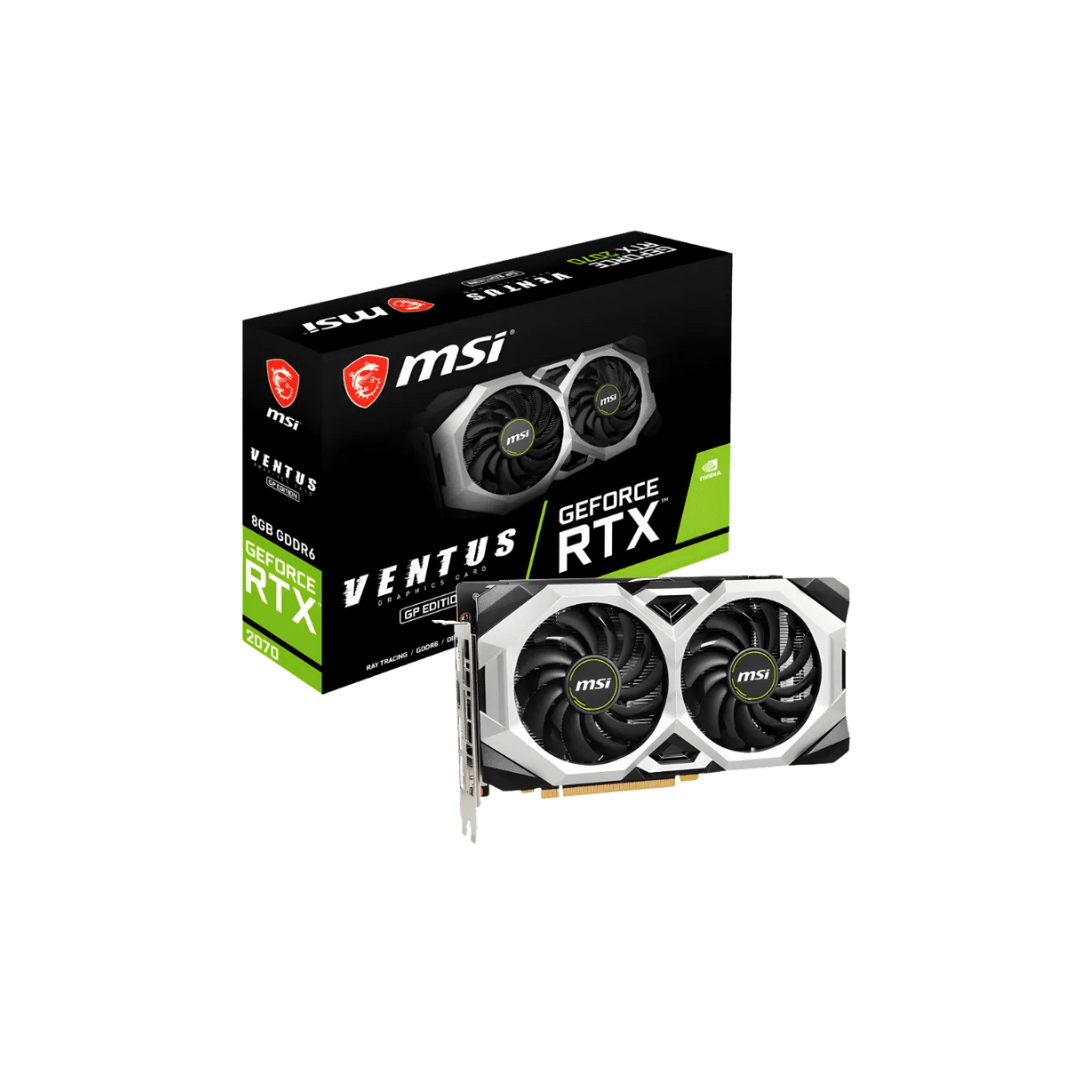
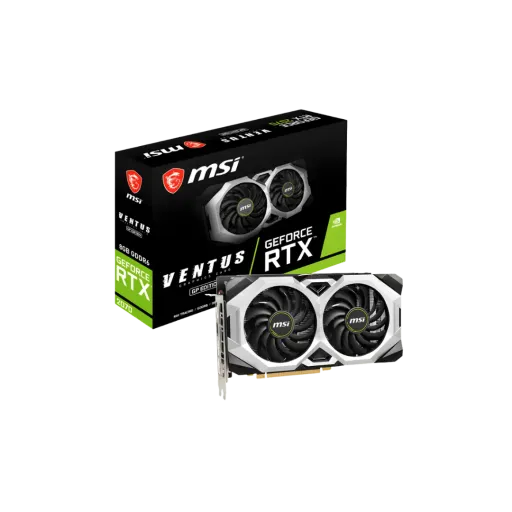
MSI GeForce RTX 2070 sits in a sweet spot for 1440p gaming, jahan visuals clean rehte hain aur gameplay zyada stable feel hota hai. This MSI Gaming GP variant boosts up to 1620 MHz, so moment to moment responsiveness stays sharp when a scene suddenly gets heavier. The 2304 CUDA cores translate into dependable shader throughput, rozana ke sessions mein lag wali frustration kaafi kam ho jati hai. A 256 bit memory bus keeps texture heavy scenes feeling composed, so you can push higher quality presets without constant stutter. The 14 Gbps effective memory speed helps frame pacing stay tidy, especially when fast camera turns happen in shooters. The PCI Express x16 3.0 interface fits mainstream platforms easily, asaani se existing PC mein drop in upgrade ho jata hai. Instead of chasing extreme 4K goals, this tier focuses on balanced clarity plus RTX era features that still improve how games look
Real time ray tracing adds more lifelike lighting and reflections, aur scenes ka depth instantly zyada natural lagta hai. NVIDIA frames ray tracing as simulating the physical behavior of light, which is why shadows and reflections can look more cinematic in supported titles. DLSS is the second half of the story because it uses AI upscaling to lift performance, so higher settings feel more reachable without making the image look messy. NVIDIA also highlights dedicated RT Cores and Tensor Cores as key building blocks for ray tracing and AI accelerated features, jo RTX 20 generation ki identity banate hain. Variable refresh support matters just as much in real gameplay, kyun ke tearing aur micro stutter ka mood kharab kar dete hain. NVIDIA explains G SYNC as matching the monitor refresh rate to the GPU frame rate to minimize tearing, stutter, and input lag for smoother motion. When you combine DLSS with VRR, you get a smoother, more forgiving experience that feels fast even when frame rates fluctuate. This is the kind of visual upgrade that shows up daily, not just in benchmark charts
The RTX 2070 is built around NVIDIA’s Turing generation, which is designed to blend classic raster performance with dedicated AI and ray tracing hardware. The 2304 shader units give strong general purpose graphics horsepower, is liye competitive titles mein response crisp aur consistent feel hota hai. The boost target of 1620 MHz keeps short workloads snappy, so heavy effects bursts don’t immediately drag the whole experience down. The TU106 based configuration includes RT and Tensor core blocks, jo RTX features ko hardware level par support karte hain. NVIDIA also notes Turing era improvements like concurrent integer and floating point work and newer shading techniques, which helps newer engines stay efficient. That efficiency matters during long sessions because it reduces the “random dip” feeling, matlab gameplay zyada predictable rehta hai. The result is a GPU that feels tuned for real play, not just peak numbers
An 8GB GDDR6 frame buffer gives you room for modern textures, aur high resolution asset packs mein immediate pressure kam hota hai. A 256 bit memory interface keeps data moving steadily, so the GPU spends less time waiting when scenes get busy. The 14 Gbps effective memory speed pairs well with this bus width, jahan smooth scrolling aur camera motion mein stability zyada nazar aati hai. TechPowerUp lists the RTX 2070 at 448 GB/s memory bandwidth, which is the kind of headroom that helps keep 1440p detail from feeling cramped. This bandwidth headroom is especially useful when ray tracing is enabled, kyun ke effects pipelines memory ko zyada exercise karte hain. Even outside RTX titles, the same memory balance supports smoother frametimes in open world games with constant streaming. You get a GPU that feels less jittery in real play, which is the difference between “high FPS” and “high comfort”
Power planning stays straightforward with this card, kyun ke wiring aur PSU selection usually complicated nahi hoti. MSI lists a 175 W power consumption figure and a single 8 pin connector requirement for the RTX 2070 GAMING GP, which keeps builds clean and manageable. MSI also recommends a 550 W power supply, so most mid tower setups can stay stable without overthinking upgrades. The PCI Express x16 3.0 interface keeps compatibility broad, matlab older mainstream motherboards par bhi yeh easily fit ho jata hai. NVIDIA has described Turing architecture gains in performance per watt versus Pascal, which supports the idea that this class aims for balanced power and sustained clocks. That balance helps with heat control because lower wasted power generally means less thermal stress, lambi gaming mein fans ko unnecessary max par nahi jana padta. Stable power headroom also helps reduce sudden clock swings, so gameplay feels consistent. This is the kind of setup you can maintain day to day without constant tweaking
Thermal behavior matters most during long sessions, jab aapko stable FPS chahiye aur noise bhi control mein rakhna hota hai. MSI positions the GAMING GP card with its Twin Frozr 7 thermal design and TORX Fan 3.0, aiming to keep temperatures low for steadier performance. MSI also describes Zero Frozr behavior for low load silence on this series, so casual browsing and light work can stay quieter. Newegg’s MSI RTX 2070 Gaming listing highlights fan stop style behavior and aerodynamic airflow guidance as part of the cooling approach, jo practical use mein heat kam rakhne mein help karta hai. The benefit is sustained boost behavior that feels less “spiky”, so frame pacing stays smoother through back to back matches. Quiet cooling also improves the overall desk experience, especially if your case sits close and you game at night. With better thermals, the card can feel more composed under load, bilkul woh stability jo everyday gaming ko enjoyable banati hai
Content creation feels lighter when encoding is offloaded, kyun ke CPU aur shader resources par unnecessary load nahi aata. NVIDIA’s Video Codec SDK explains that NVENC is a dedicated hardware encoder separate from CUDA cores, which helps free the CPU and compute engine for other work. TechPowerUp lists TU106 as having 7th generation NVENC capability, which aligns with using hardware encoding workflows for streaming or capture. NVIDIA also describes ShadowPlay style capture and sharing as part of the GeForce Experience ecosystem, so highlights and recordings can happen with less performance impact than pure software capture. MSI lists three DisplayPort outputs plus one HDMI port on the RTX 2070 GAMING GP, which makes multi monitor setups practical for work plus play. MSI also notes HDMI 2.0b with 4K at 60Hz support, so a living room screen or a 4K secondary panel can integrate cleanly. This kind of IO flexibility helps hybrid users, jahan ek side par gaming hoti hai aur dusri side par editing ya streaming. The overall experience feels more production friendly without turning your PC into a noisy, hot box
A good GPU feels better when it is manageable, kyun ke monitoring aur tuning se aap apni preference set kar sakte hain. MSI highlights software options like MSI Afterburner and Dragon Center for performance control and broader customization on the GAMING series ecosystem. MSI also references Mystic Light style RGB control for compatible Gaming products, so a build can look cohesive without random lighting behavior. The practical win is being able to set fan curves and limits sensibly, asaani se heat aur noise ka balance apne room ke hisaab se ban jata hai. A stable profile matters more than aggressive overclocks, because consistent frametimes often feel smoother than a higher peak number. MSI’s broader RTX 20 series intro also emphasizes model to model feature variation, which is useful when matching a card’s design to your case airflow and build goals. When your settings are dialed in, daily gaming becomes predictable and comfortable, bilkul woh refined experience jo long term mein value add karta hai
Upgrade decisions get easier with clear baselines, aur yahan RTX 2070 ka positioning kaafi practical lagta hai. TechPowerUp lists the GeForce RTX 2070 as a 2018 era RTX 20 generation GPU, which helps explain why it supports modern RTX feature stacks compared to older GTX era cards. NVIDIA has discussed RTX as combining real time ray tracing and AI powered DLSS, so the card’s value is not only raw FPS but also the visual pipeline options. Driver lifecycle also matters for long term comfort, kyun ke optimized updates older families ko gradually miss hona start ho jate hain. Tom’s Hardware reports NVIDIA confirmed Game Ready driver support for Maxwell and Pascal ends with a final optimized update in October 2025, which makes RTX era hardware a safer everyday baseline than many GTX 10 series builds. This tier fits gamers who want high detail 1080p or balanced 1440p with RTX options, jahan performance stable ho aur experience refined rahe. The overall package stays competitive because it focuses on practical smoothness, cleaner visuals, and reliable daily operation
Here's how current offers compare across retailers.
Review current prices and specifications side by side.