Price Breakdown & Availability
Here's how current offers compare across retailers.
You Might Also Like
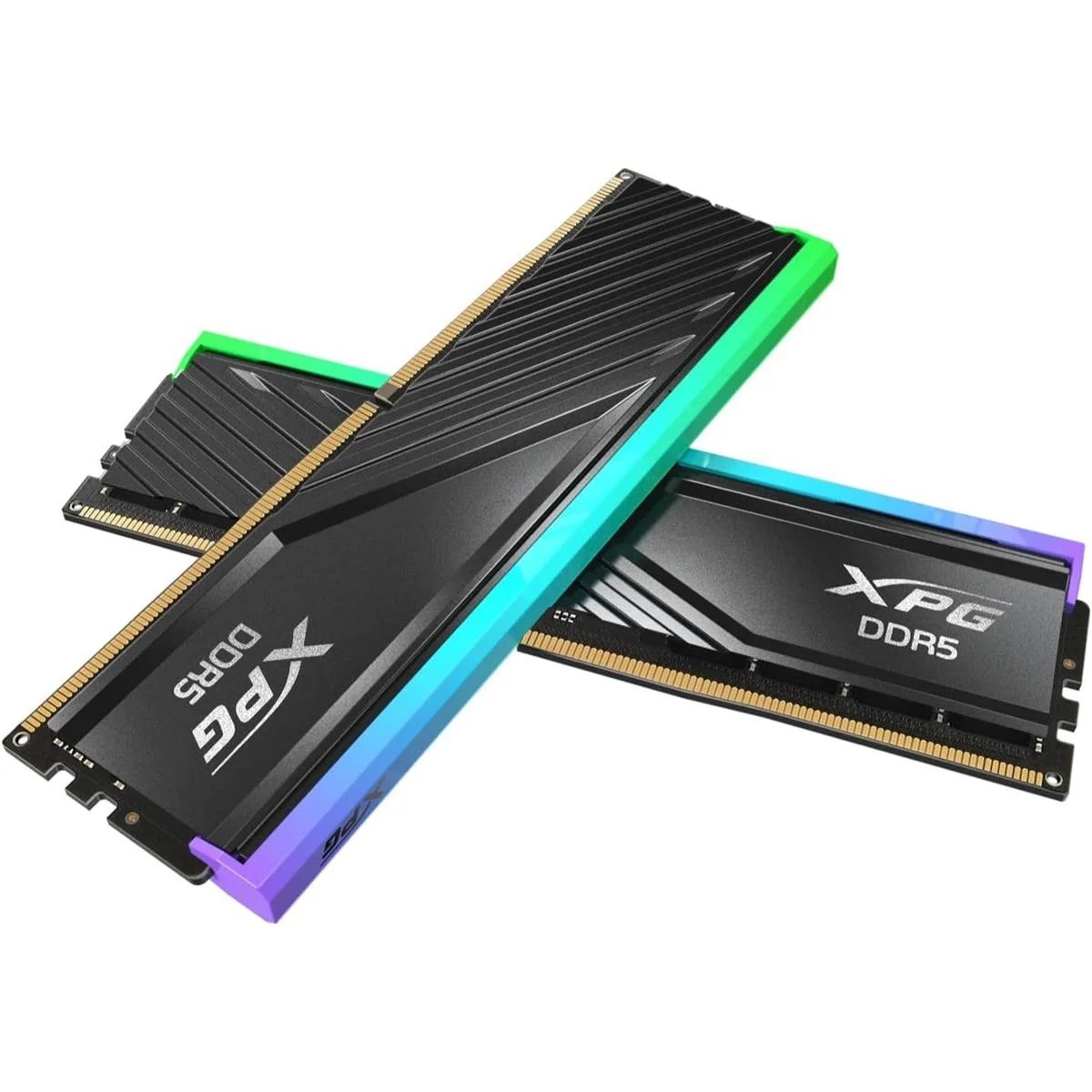
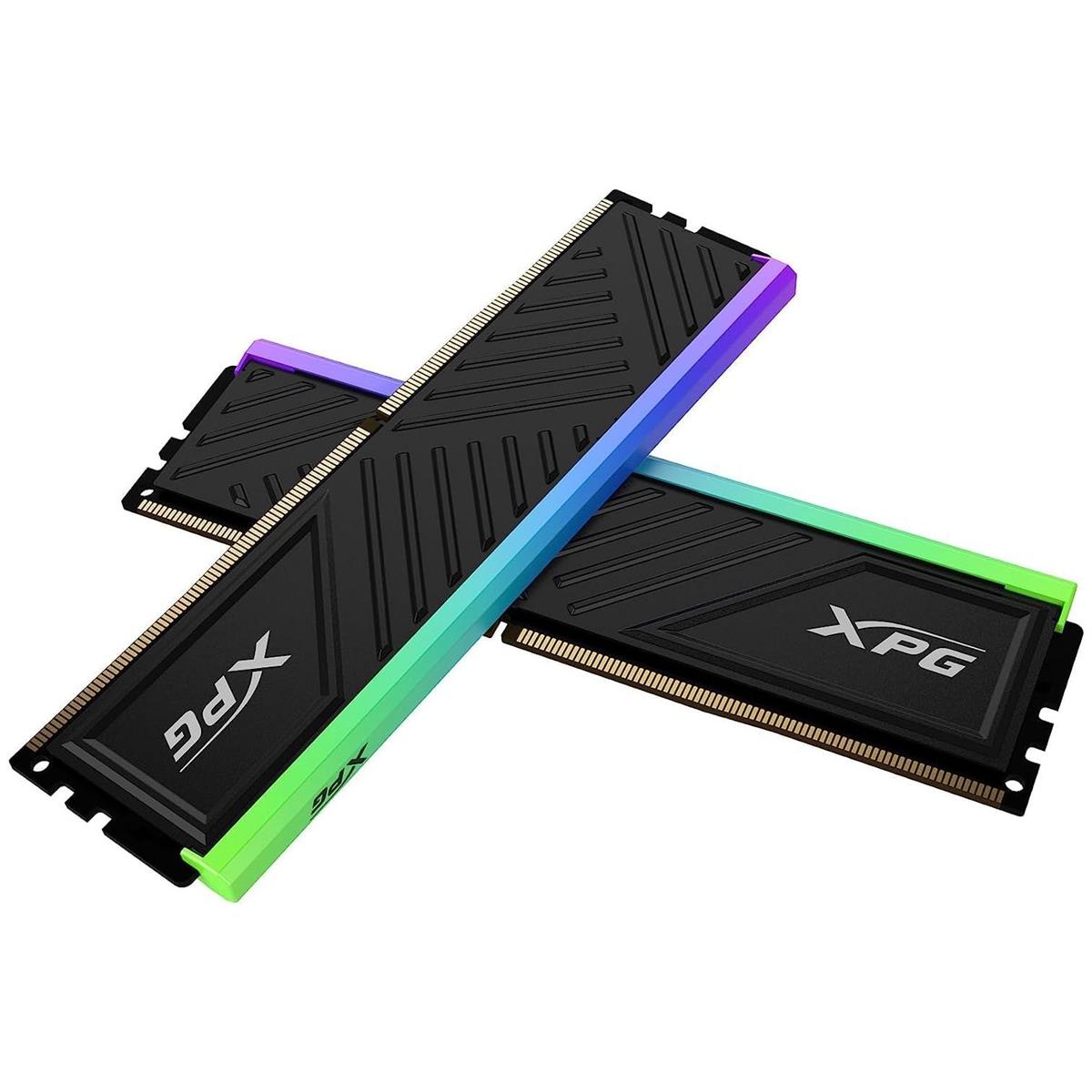
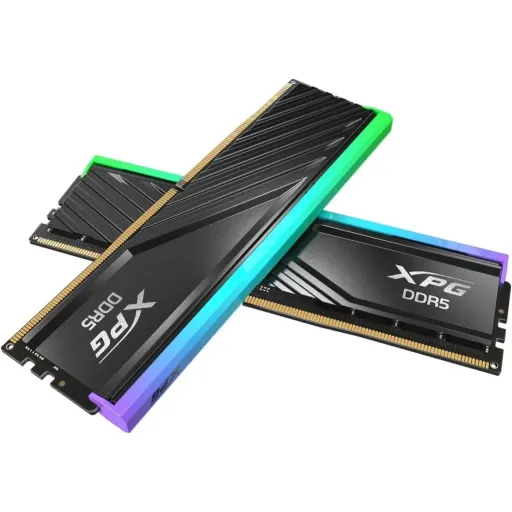
This XPG Lancer Blade DDR5 kit targets modern desktops, jahan speed bhi chahiye aur fitment bhi easy chahiye. The low profile heatsink design stays compact for tighter cases and tall air coolers, so installation bilkul stress free lagti hai. The 64GB capacity comes as 2x32GB sticks for balanced dual module performance, multitasking asaani se handle hota hai. The rated DDR5 6000 speed is built for snappy responsiveness in daily workloads, rozana ke tasks mein difference nazar aata hai. The built in PMIC improves power delivery stability on the module, jis se tuning aur stability ka confidence barhta hai. The on die ECC feature adds real time correction inside the DRAM chip, so long sessions mein random hiccups kam feel hotay hain. The overall styling keeps a clean, purpose built look, jis ko minimal builds mein easily match kiya ja sakta hai. High quality IC and PCB selection focuses on consistent overclocking behavior, meaning performance bohat stable reh sakti hai with the right platform
This DDR5 6000 kit is tuned for speed, jab aap multiple apps aur heavy tabs open rakhte ho. The AX5U6000C3032G DTLABBK variant is listed at 6000MHz for the desktop profile, which maps to the common DDR5 6000 class users enable via profiles. The practical benefit shows up in reduced wait time during game loads, project imports, and large file operations, rozana ka flow smooth rehta hai. DDR5 architecture also increases efficiency with design changes like dual 32 bit channels per DIMM, which helps keep bandwidth flowing under mixed access patterns. The same DDR5 generation shifts power management onto the module through PMIC, improving voltage regulation compared to older designs and keeping noise kam in demanding scenarios. The result feels like smoother frame pacing when your system is CPU and memory sensitive, especially jab background apps bhi run kar rahe hon. This speed tier also stays realistic for stability on mainstream platforms, so you can aim for performance without constant troubleshooting. The low profile Blade design supports that practical goal, kyun ke airflow aur cooler clearance compromise nahi hota. The final experience is a responsive desktop that stays consistent, even when tasks pile up quickly in real use
This 64GB memory capacity changes how you multitask, jab aap serious workloads ek saath chalate ho. The kit ships as 32GB x 2 modules, which keeps upgrading straightforward while maintaining a clean dual module layout. The biggest win is breathing room for large timelines, layered PSDs, code builds, and multiple browser profiles, rozana wali pressure kam hoti hai. The extra capacity also helps if you run virtual machines or heavy dev containers, kyun ke memory ceiling hit hone se pehle kaafi space milti hai. The DDR5 platform is designed to scale to higher capacities over time, making larger kits a sensible match for longer upgrade cycles. The 6000 speed tier keeps that capacity from feeling sluggish, so big memory does not mean slow responsiveness for everyday tasks. The low profile heatsink makes physical integration easier in compact builds, small chassis mein bhi fitting asaan ho jati hai. The overall outcome is fewer compromises between productivity and play, because background workloads stop stealing smoothness. This is the kind of capacity that lets you stay in the zone longer, without constant app closures or memory juggling
This compact heatsink approach favors real compatibility, especially jab aap tower air cooler use karte ho. XPG specifically positions the Lancer Blade with a compact low profile heatsink that avoids interference with tower CPU coolers and fits smaller cases. The practical value is simple installation, because you are not forced to re orient fans or compromise on cooler choice, bilkul convenience wali baat hai. A cleaner mechanical fit also supports better airflow planning, so case fans can do their job without awkward dead zones. The heatspreader exists for stability under sustained loads, so long renders or extended gaming sessions mein temperatures controlled rehti hain. Many users forget that memory stability is not only about speed, kyun ke heat aur power noise bhi performance ko affect kar sakte hain. XPG pairs the physical design with built in PMIC for power stability, which supports steadier behavior when the system is under mixed load. The combination feels refined in daily use, because the build stays neat and serviceable for future upgrades. This low profile identity is also ideal for minimalist rigs, jahan clean lines aur compact parts priority hoti hai. The end benefit is a build that looks organized and runs predictable, without making cooling clearance a constant headache
This kit includes on die ECC for DDR5 reliability, jo background mein quietly kaam karta rehta hai. XPG states the module uses on die error correcting code to correct errors in real time for improved stability and reliability. The important detail is scope and expectations, kyun ke on die ECC traditional server style ECC ka direct replacement nahi hota. Independent technical explanations note that DDR5 on die ECC protects data inside the memory die but does not provide full end to end ECC coverage across the memory bus. The same distinction is commonly highlighted in DDR5 platform discussions, where on die ECC is described as not equivalent to standard ECC implementations. The real world benefit is steadier behavior during long uptime sessions, rozana ke use mein bhi random instability ka risk kam hota hai. For creators and gamers, that stability matters because a single crash can waste time and break momentum. The message is simple and practical, ke aapko reliability ka plus milta hai without claiming enterprise class ECC behavior. This clarity helps you buy confidently, kyun ke expectations realistic rehti hain and the kit delivers what it is designed to do. The result is a more dependable DDR5 experience for mainstream desktops, especially when you keep BIOS settings and profiles properly configured
This DDR5 generation moves power management onto memory, jis se stability aur regulation improve hoti hai. XPG highlights a built in Power Management IC (PMIC) designed to enhance power supply stability on the Lancer Blade DDR5 modules. Platform level DDR5 coverage explains that the PMIC takes motherboard input and converts it into usable rails, improving regulation and reducing noise compared to older approaches. The practical outcome is fewer sudden dips during load transitions, jab aap gaming se rendering ya exporting par switch karte ho. Cleaner power behavior also supports predictable memory training, so your system can boot and retrain settings with less drama. The Lancer Blade positioning also mentions lower operating voltage efficiency compared to DDR4, which fits users who want performance without excess heat. For overclocking minded builders, PMIC can translate into steadier behavior at rated profiles, because voltage delivery remains controlled across long sessions. This matters in real life because stability is not only peak benchmarks, rozana ka smooth experience is the goal. The benefit feels especially clear in compact builds, where heat kam rakhna overall system comfort improve karta hai. The end result is a memory kit that feels composed under pressure, while still giving you room to tune profiles responsibly
This kit supports easy profile based overclocking, taake aap manual timings mein na phansain. XPG states support for Intel XMP 3.0 to enable easier overclocking without repeated fine tuning in BIOS. XPG also calls out AMD EXPO support for compatibility with newer platforms, which helps Ryzen users get stable rated speeds with a clean workflow. Retail listings for XPG Lancer series commonly show BIOS/Performance Profile support as Intel XMP 3.0 and AMD EXPO, reinforcing that the tuning path is profile driven. The user benefit is fast setup after installation, kyun ke aap simply profile enable karke rated behavior ke kareeb ja sakte ho. This approach also reduces the risk of unstable manual guesses, especially for first time DDR5 builders who want smooth results. The low profile Blade design keeps the build physically simple, so you are not fighting clearance while you are tuning settings. A smart routine is to update BIOS first, phir XMP ya EXPO enable karo and verify stability with your usual workloads. The overall feel is convenience with control, because you can start at rated settings and only tweak further if your platform truly supports it. This is a practical performance path that respects time, instead of turning setup into a weekend long troubleshooting session
This memory uses the standard desktop UDIMM format, jo mainstream motherboards ke liye bana hota hai. Product listings for the Lancer Blade family describe it as 288 Pin PC RAM for DDR5 desktop usage, aligning with common DDR5 UDIMM physical standards. DDR5 platform guidance notes that DDR5 retains a 288 pin arrangement but uses different pinouts and a different notch position than DDR4, which helps prevent incorrect insertion. The variant listing for this 64GB kit also calls out UDIMM as the DIMM type, keeping the upgrade path clearly in desktop territory. The practical takeaway is to match your motherboard generation, kyun ke DDR5 memory will not work in DDR4 slots by design. The dual module 2x32GB layout is also a clean way to populate typical two or four slot boards, so airflow and cable routing stay manageable. For best results, motherboard QVL check karna smart step hota hai, especially when you want plug and play at DDR5 6000. The Blade heatsink keeps clearance friendly near the CPU socket, which can matter a lot on compact boards. The end experience is a clean physical install with fewer surprises, because the format is designed for everyday desktop builders. This clarity helps you plan the full build confidently, from CPU cooler spacing to final profile tuning
This DDR5 6000 64GB kit suits balanced power users, jo gaming aur productivity dono karte hain. The 64GB (2x32GB) configuration is explicitly listed for the AX5U6000C3032G DTLABBK variant, making it a strong match for creators, heavy multitaskers, and workstation like desktop builds. The DDR5 platform brings higher bandwidth and architectural upgrades compared to DDR4, which tends to help more in bandwidth heavy tasks than in lightly threaded daily use. The low profile heatsink design stays friendly for compact and performance builds, so you can choose bigger air coolers without worrying about RAM clearance, bilkul practical advantage. The PMIC and on die ECC features are positioned by XPG as stability and reliability enhancers, which matters when long sessions and uptime are non negotiable. The easiest way to benefit is enabling XMP 3.0 or AMD EXPO in BIOS, taake rated behavior quickly achieve ho and daily performance consistent rahe. The end value is not just peak speed, because it is the combination of headroom, stability, and fitment that keeps your system feeling modern for years. This is a smart choice when you want fewer compromises, jahan performance bohat stable ho and the build stays clean. The closing takeaway is simple and useful, because this kit aims for everyday smoothness with enough power to grow into heavier workflows
Here's how current offers compare across retailers.
Review current prices and specifications side by side.