





Price Breakdown & Availability
Here's how current offers compare across retailers.
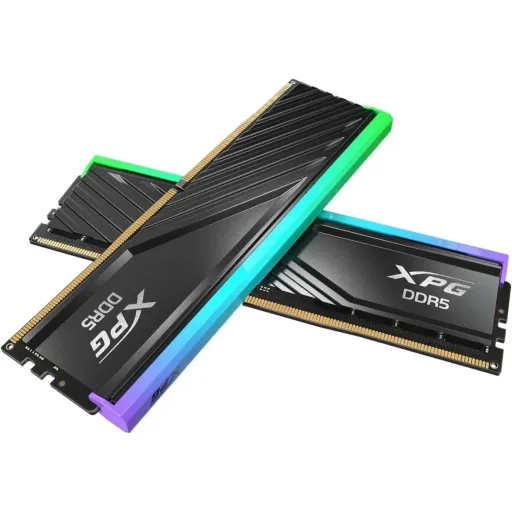
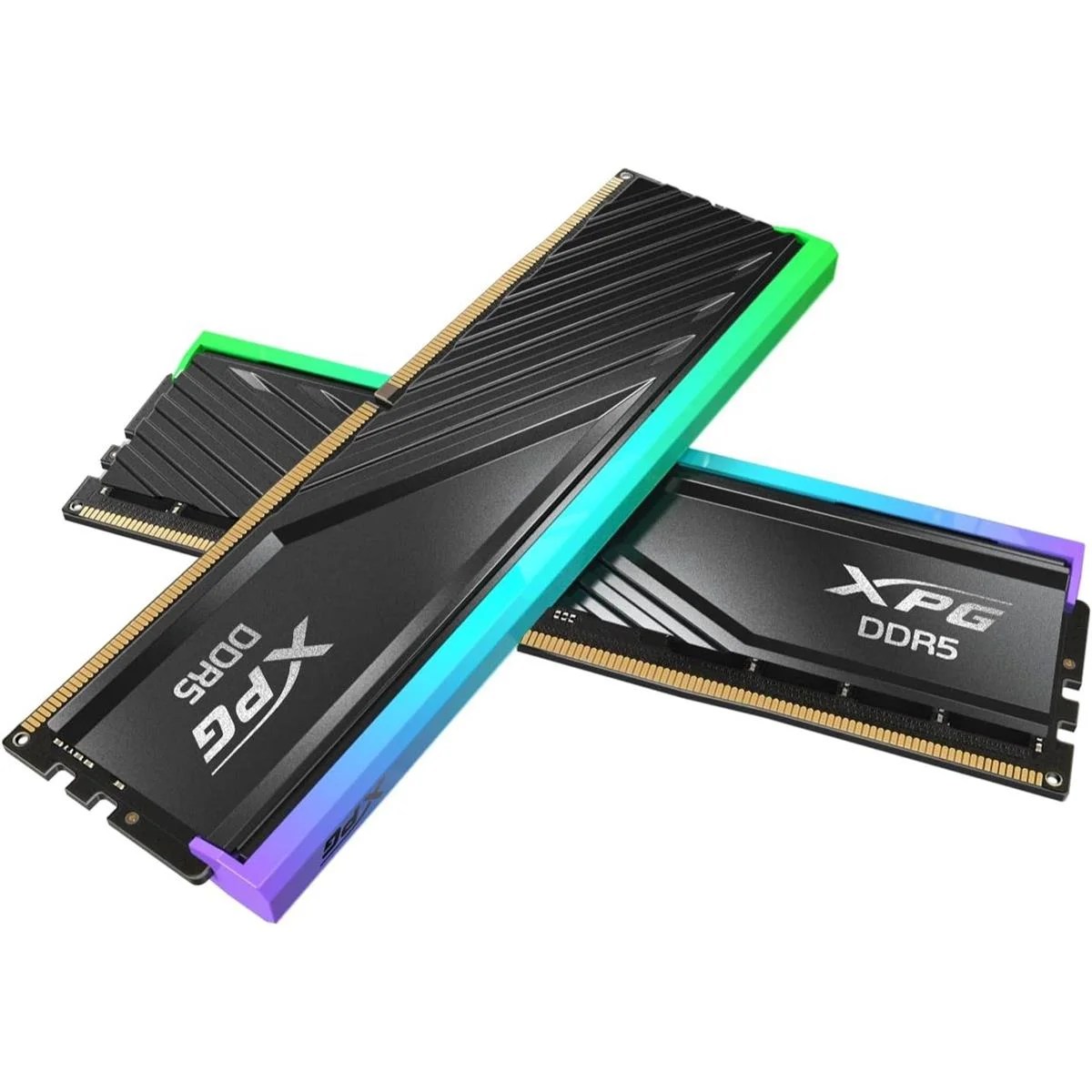
XPG Lancer Blade DDR5 32GB (2x16GB) 6000MHz

You Might Also Like
This XPG Lancer Blade DDR5 kit targets modern desktop builds where speed and clean fit both matter, aur overall setup zyada refined feel hota hai. The Lancer Blade series is positioned as a low profile DDR5 option built for gamers and power users who want a straightforward upgrade path. The compact heatsink concept is designed to reduce clearance headaches in tighter cases and under large air coolers, jo aksar RAM height ki wajah se touch ho jate hain. The series launch also highlights top rated speeds up to 6000MT/s and 6400MT/s, which places this 6000 class variant in a performance focused sweet spot for everyday responsiveness. The overall design language stays understated and practical, bilkul un logon ke liye jo RGB ke baghair clean build chahte hain, while still leaning into enthusiast grade tuning support. The feature set is built around DDR5 era improvements like on module power management and on die correction, so stability and efficiency feel baked into the platform. The end goal is simple: faster daily workflows with fewer build compromises, asaani se
This low profile heatsink design focuses on real build compatibility, especially when a tower cooler sits close to the DIMM slots. XPG specifically calls out that the Lancer Blade heatsink aims to avoid interference with tower CPU coolers and fit well in smaller PC cases. That clearance advantage matters when you want front to back airflow to stay smooth, kyun ke cramped areas mein heat soak jaldi hota hai. The design approach also keeps installation less stressful, because you are not forced to rearrange fan mounts or shift cooler orientation just to seat memory properly. With a compact silhouette, cable routing stays cleaner and the build looks more organized, jo glass side panel cases mein instantly nazar aata hai. The same low profile theme is emphasized in the product launch messaging as a key reason the series suits small cases with limited space. When your cooling hardware fits without compromise, sustained performance stays more consistent in long sessions, aur fan curves bhi zyada quietly manage ho jati hain. The practical benefit is simple: less physical conflict, more time actually using the PC
This 6000MHz class DDR5 speed tier is built for users who want noticeably faster memory behavior without chasing extreme tuning. The Lancer Blade lineup includes models with top speeds of 6000MT/s, which anchors this variant in the upper mainstream performance bracket. Many DDR5 kits run at a lower default speed until you enable a profile in BIOS, is liye box par likha speed tabhi aata hai jab profile on ho. That same guidance is why XMP/EXPO support matters for a 6000 class kit, because you can reach rated performance with minimal manual tweaking. For gaming focused builds, many buyers aim around the 5000 6000MHz range as an effective balance of speed and practicality, aur yahan par real world feel zyada stable rehta hai. DDR5 also changes the internal structure with two independent 32 bit channels per module, which improves efficiency in how data is accessed under mixed loads. In day to day use, that can translate into smoother frame pacing, quicker asset streaming, and less hitching when multiple background tasks are active, bilkul rozana ke routine mein
This 32GB capacity is a practical upgrade for modern Windows workflows where browser tabs, launchers, and creative tools run together. A common 32GB configuration is a 2x16GB dual channel kit, which matches the typical desktop pairing style used for balanced bandwidth and stability. With two sticks installed, everyday multitasking feels more fluid, kyun ke background apps RAM mein zyada comfortably rehti hain. The Lancer Blade launch messaging also frames the series as suited for smoother multitasking and large scale applications on the latest Intel and AMD platforms. For gamers who also stream, edit clips, or keep Discord and multiple overlays active, 32GB can reduce the need for aggressive app closing, aur focus gameplay par rehta hai. General buying advice often points out that 32GB can be a smart step for futureproofing or heavier creation use compared to 16GB only builds. The practical win is fewer slowdowns when you alt tab, render in the background, or jump between game and browser. In short, the capacity gives breathing room that makes the whole system feel calmer, bilkul
This on die ECC feature is designed to improve stability by correcting certain errors inside the memory chips in real time. XPG explicitly lists on die error correcting code (ECC) as a stability and reliability feature for the Lancer Blade DDR5 series. Samsung also describes on die ECC as a DDR5 capability that performs correction during READ commands before outputting data, which supports data integrity goals at the DRAM level. It is important to keep expectations realistic, kyun ke on die ECC true ECC UDIMM jaisa nahi hota. Tom’s Hardware notes that DDR5 on die ECC should not be confused with standard ECC memory, because it does not provide the same end to end protection once data leaves the chip. That distinction matters if your workload truly requires workstation grade ECC reporting, but for typical gaming and creator PCs it still supports a more robust DDR5 baseline. With long gaming sessions or heavy multitasking, stability features help keep the experience consistent, performance bohat stable rehti hai, and random hiccups feel less likely. The overall benefit is subtle but valuable: fewer “mystery” crashes and more confidence in sustained use
This built in PMIC design improves how power is managed on the module, which matters more as DDR5 speeds climb. XPG states the Lancer Blade DDR5 uses a built in Power Management IC (PMIC) to enhance power supply stability, and it also highlights DDR5’s lower operating voltage for efficiency. DDR5’s move to on module power management is also a well documented architectural shift, jis se motherboard side regulation ka load kam hota hai. Samsung similarly describes the DDR5 generation as integrating a PMIC into the memory module for improved compatibility, signal integrity, and sustained performance compared to earlier generations. When voltage delivery stays cleaner, memory training and high frequency operation often feel less finicky, asaani se stable boot milta hai especially after BIOS updates. This matters for builders who want strong performance without turning every boot into troubleshooting. The practical outcome is consistency: fewer weird edge cases, better long session stability, and a setup that behaves like a finished product
This profile based tuning approach is what turns a DDR5 kit from “okay” to properly fast in everyday use. XPG highlights support for AMD EXPO and Intel XMP 3.0 as part of the Lancer Blade DDR5 experience, so rated performance can be enabled without deep manual timing work. Intel describes XMP as a way to load predefined and tested memory profiles through BIOS to overclock compatible DDR4/DDR5 modules, which keeps the process simple for most builders. AMD positions EXPO as a user friendly path to DDR5 memory overclocking for Ryzen AM5 platforms, designed to help users enable accelerated memory settings more easily. Many buyers do not realize the key detail, ke DDR5 often boots at a stock speed and the “6000MHz” label is tied to enabling the profile. With a dual profile friendly kit, platform switching becomes less stressful over the long term, aur upgrade path zyada flexible rehta hai. The overall benefit is speed you can actually access, without spending hours in BIOS menus
This 288 pin UDIMM form factor is the standard physical fit for modern desktop DDR5 motherboards. A typical Lancer Blade DDR5 6000 32GB kit is listed as 288 pin, unbuffered/unregistered desktop memory, which aligns with mainstream consumer platforms rather than server only configurations. DDR5 keeps the 288 pin count but uses a different pinout and notch position compared to DDR4, so it will not physically fit in the wrong slot, bilkul safety ke liye design change hai. That mechanical mismatch reduces newbie mistakes during installation and makes the upgrade feel more straightforward. With two matched sticks, the kit is naturally aligned for dual channel operation, jo most desktop builds ka default sweet setup hota hai. The low profile heatsink further supports painless seating even when your cooler overhangs the DIMM area, so your build stays tidy. The practical takeaway is simple: if your board is DDR5 ready, this kit installs like a clean, modern drop in upgrade
This 32GB 6000 class kit makes sense for builders who want a balanced DDR5 upgrade that feels fast without being fragile. The Lancer Blade series is positioned for the latest Intel and AMD platforms and emphasizes a hassle free speed boost with profile based overclocking support, jo everyday users ke liye practical rehta hai. Tom’s Hardware notes DDR5 brings architectural changes like on module power management and on die ECC, plus efficiency shifts such as lower operating voltage at the standard level, which together define the newer DDR5 experience. XPG also frames the built in PMIC and on die ECC as stability focused features, which is exactly what you want when you plan to keep the system for years. A dual stick 32GB kit is a strong fit for gaming plus streaming, creator workflows, and heavy browsing where background tasks never stop, aur RAM pressure realistically high hota hai. The 6000 speed tier is commonly treated as a strong target range for real world gaming memory shopping, so you are not buying “numbers only” performance. If your goal is a clean build with cooler clearance, stable tuning support, and enough capacity headroom, this Lancer Blade DDR5 32GB (2x16GB) 6000 kit checks the boxes without drama
Here's how current offers compare across retailers.
Review current prices and specifications side by side.