
Price Breakdown & Availability
Here's how current offers compare across retailers.
You Might Also Like
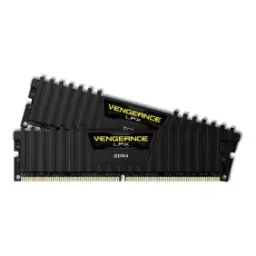
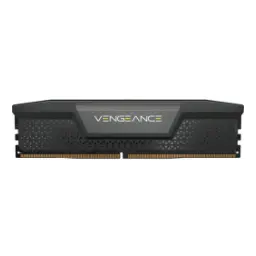
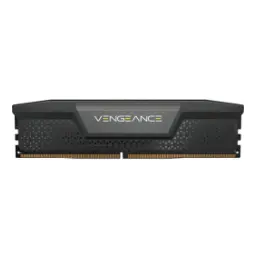
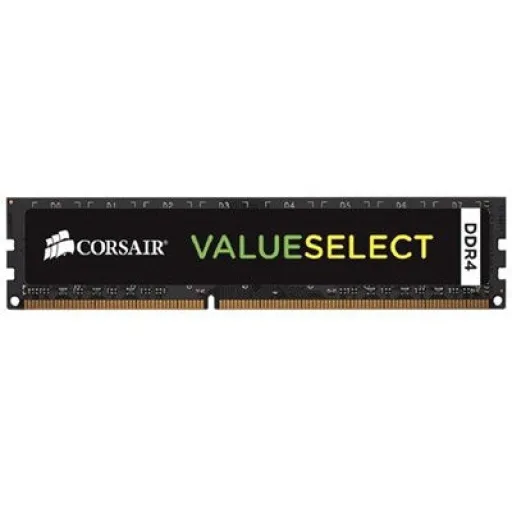
This Corsair Vengeance LPX DDR4 module is made for clean desktop upgrades, jab aapko PC ko fresh feel dena ho, without changing your whole build. The Vengeance LPX lineup is positioned for high performance overclocking, using a pure aluminum heatspreader and a custom performance PCB to support better heat control under pressure. This kind of foundation matters in real life because long sessions mein stability bohat important hoti hai, and the PC feels smooth when memory behaves consistently. The DDR4 form factor here is presented as optimized for modern DDR4 systems, with higher frequencies, greater bandwidth, and lower power consumption than DDR3 in Corsair’s own description. The low profile approach keeps physical clearance simple, so large air coolers and tighter cases mein fitting asaani se ho jati hai when space is limited. The compatibility story also stays practical because Corsair calls out broad performance and compatibility testing across motherboards, which helps reduce install day surprises. This 1x8GB 2133MHz configuration is all about dependable momentum, rozana ke kaam mein lag nahi, and a stable baseline you can build on
This DDR4 2133 speed class is a stability first baseline, jahan everyday use mein random stutter ki tension usually kam hoti hai when the platform is configured properly. The 2133 family is commonly labeled as PC4 17000 (DDR4 2133) in Vengeance LPX specs, which frames it as a mainstream DDR4 performance tier instead of a niche tuning target. That mainstream positioning helps older DDR4 boards too, kyun ke aapko aggressive BIOS experimentation ki zarurat kam hoti hai for daily productivity and casual gaming. The DDR4 standard itself includes DDR4 2133 as one of the defined standard speed grades, which makes the number feel familiar and widely supported. The Corsair DDR4 white paper also references JEDEC specified DDR4 speeds of 2133MHz and 2400MHz at DDR4’s early platform introduction, which reinforces 2133 as a foundational point for the generation. The real world benefit is smoother multitasking, rozana browser tabs, docs, aur light creative work mein, without forcing you into a constant tweak and test cycle. The setup expectations stay clear because Corsair notes that rated performance can require overclocking or PC BIOS adjustments and that results depend on components like the motherboard and CPU. This is the kind of speed tier that keeps the experience predictable, taake PC daily routine mein reliable rahe, and upgrades feel controlled
This single 8GB module approach is a smart starting point, jab aapko budget aur upgrade path dono balanced rakhna ho, while keeping installation simple. The Vengeance LPX family is offered in multiple capacities and configurations, and Corsair’s own product selector explicitly shows an 8GB kit option as “(1 x 8GB)” within the lineup choices. That matters for real builds because starting with one stick lets you add a matching module later, jab zarurat barhe, instead of replacing everything at once. Corsair’s Vengeance LPX single module pages also show the same desktop oriented UDIMM format and 288 pin packaging style for 8GB (1 x 8GB) modules, which fits typical DDR4 desktop slots. The daily feel usually improves most in system smoothness, kyun ke RAM headroom helps background apps stay stable and reduces paging pressure when multitasking. The upgrade logic also stays grounded because dual channel benefits require the right platform and matched modules, so planning a second stick later can be a clean next step. This 1x8GB build path keeps the door open for future scaling, bilkul asaani se, while still delivering immediate usability today
This memory line keeps tuning approachable with XMP support, jab aap manual timings ke chakkar mein nahi parna chahte, and you still want a cleaner setup process. Corsair describes Vengeance LPX as supporting XMP 2.0 and frames it as “one setting” to adjust to the fastest safe speed for the kit, which is meant to reduce lockups and odd behavior during setup. Intel also explains that Intel Extreme Memory Profile (Intel XMP) lets you overclock compatible DDR4/DDR5 memory using predefined profiles that you load through BIOS or tuning tools, so the workflow is straightforward for most builders. Intel’s XMP FAQ notes that XMP 2.0 is the DDR4 era XMP flavor and that XMP 2.0 supports two profiles, which helps keep the concept simple rather than overwhelming. The practical advantage is faster setup for people who want a stable “known good” profile, aur phir system ko seedha daily use mein le aate hain, without endless trial runs. Corsair’s own explainer reinforces that Intel XMP is a quick method for enabling extended performance by using validated settings stored on the module, which supports a smoother onboarding experience. Intel also highlights that enabling XMP is a form of memory overclocking, so it is best treated as an optional performance switch rather than a requirement for basic functionality. This means you can stay at stock like stability first, phir jab mood ho, enable XMP with a clearer idea of what it changes
This cooling focused design helps memory stay composed, jab aap long gaming sessions ya heavy multitasking kar rahe hon, because heat behavior affects consistency. Corsair states that Vengeance LPX uses a heatspreader made of pure aluminum for faster heat dissipation, which supports steadier operation under sustained load. Corsair also explains that overclocking overhead is limited by operating temperature and that the LPX heat spreader is designed to pull heat away from the ICs into the system’s cooling path, which is exactly what you want when sessions run long. The benefit feels practical because lower temperature swings mean fewer surprise slowdowns, aur fan curves bhi zyada smooth behave karti hain, especially in compact builds. The wider DDR4 platform story also supports efficiency because Corsair’s DDR4 white paper describes DDR4 as delivering reduced power consumption and highlights DDR4 operating at a nominal 1.2V, which aligns with the generation’s efficiency direction. That efficiency angle helps everyday users too, kyun ke heat kam ho to overall system noise bhi controlled rehta hai over time. The aluminum heat spreader adds a confidence factor you can feel, especially when the PC runs for hours and you want performance to remain stable
This module’s backbone is the PCB design, jo signal stability ko support karta hai, and that becomes more noticeable when you push workloads for longer. Corsair explicitly calls out a custom performance PCB in Vengeance LPX, describing it as helping manage heat and providing superior overclocking headroom for the platform. That matters because a memory upgrade is not only about capacity, balkay consistent communication with the memory controller, which keeps the system feeling “tight” during multitasking. The DDR4 white paper also explains that DDR4 DIMMs are physically similar to DDR3 but move to 288 pins and change the notch placement, which underlines how DDR4 modules are built around a specific desktop interface standard. Corsair’s Vengeance LPX specs list the packaging as UDIMM with 288 pins for DDR4 kits, which helps buyers confirm they are shopping for desktop DIMM slots instead of laptop SODIMM memory. The practical outcome is fewer compatibility headaches, asaani se install, and a platform foundation that supports future tuning choices when the motherboard and CPU allow it. This is the kind of engineering detail that stays invisible when everything works, aur jab kaam heavy ho, it quietly keeps the experience stable
This low profile shape is one of the most underrated benefits, jab aap tall air cooler ya small case use kar rahe hon, because fit issues can ruin an upgrade day. Corsair describes Vengeance LPX as having a small form factor that is ideal for smaller cases or any system where internal space is at a premium, which directly targets clearance concerns. The win feels immediate because you can seat the DIMM cleanly without fighting the cooler fan shroud, aur cable routing bhi zyada neat rehti hai, especially in mid towers with tight top space. The DDR4 physical standard also includes a different notch location and a 288 pin layout compared to older generations, which helps prevent wrong slot mistakes during installation. Corsair further mentions compatibility testing across a broad range of motherboards, which supports a “plug in and move on” kind of experience for mainstream builders. The result is a RAM upgrade that stays practical, bilkul straightforward, and focused on fit plus stability rather than showy extras. This makes the module a solid choice when the build needs to stay clean and airflow friendly
This single stick setup keeps an easy upgrade path open, jab aap later performance ko uplift dena chahein, and you can do it without rethinking the whole platform. Corsair explains that dual channel lets the CPU and memory controller access two modules simultaneously, effectively doubling the data transfer rate compared to single channel in the basic concept, which is why matched pairs are often recommended. Crucial also describes dual channel as part of a multi channel architecture that increases data transfer speed by adding more channels between memory and the memory controller, and it emphasizes that the motherboard and CPU must support it. The everyday effect can show up as smoother frame pacing in some games, aur content creation tasks mein better throughput, especially when the workload is memory bandwidth sensitive. The matched pair guidance stays important because Corsair notes that using matched modules with the same specs helps ensure optimal performance and stability in dual channel configurations. This is where a 1x8GB purchase can feel strategic, kyun ke aap pehle stable start karte ho, and then you scale to 16GB by adding a second 8GB stick when you need it. The overall experience remains clean because the upgrade is a simple slot and boot move, asaani se, as long as your motherboard manual is followed for the correct DIMM slots
This Corsair Vengeance LPX DDR4 1x8GB 2133MHz option fits best when you want dependable DDR4 memory, rozana use mein stable performance, and an upgrade path that stays simple. Corsair’s Vengeance LPX positioning highlights a pure aluminum heatspreader, a custom performance PCB, and XMP 2.0 support, which together speak to a balance of thermals, setup convenience, and tuning headroom. The DDR4 generation framing also matters because Corsair describes DDR4 as offering higher frequencies, greater bandwidth, and lower power consumption than DDR3 in its overview messaging. The platform compatibility check should be straightforward because DDR4 desktop DIMMs use a 288 pin layout, which Corsair’s DDR4 white paper explains along with the DDR4 physical differences from older generations. The BIOS tuning angle stays optional because Intel explains that XMP profiles are loaded through BIOS or tuning tools, meaning you can choose stock stability first and only enable profiles when you’re ready. The best use case is a balanced desktop build where you want smooth everyday computing today, aur kal ko second stick add karke dual channel aur 16GB capacity ka upgrade asaan banana ho. This is a sensible pick for builders who value predictable behavior, clean fit, and a no drama upgrade experience
Here's how current offers compare across retailers.