


Price Breakdown & Availability
Here's how current offers compare across retailers.
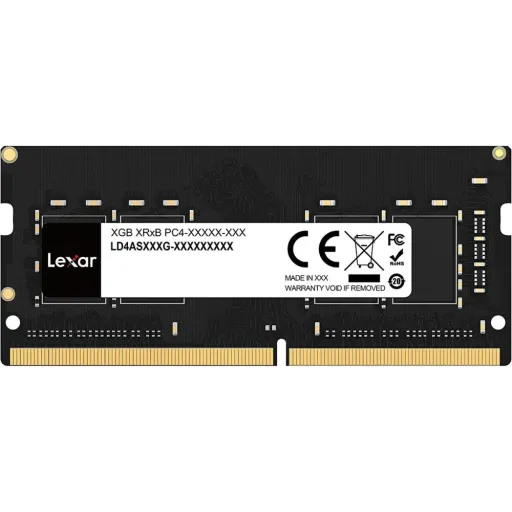
Lexar DDR4 SODIMM



You Might Also Like
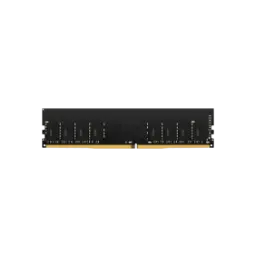
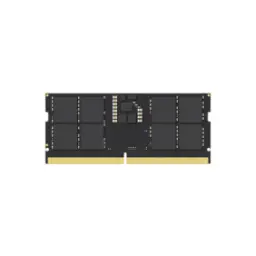
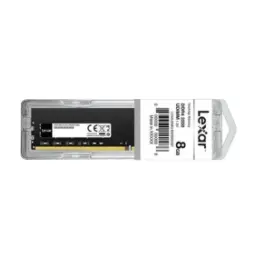
Designed for everyday laptop upgrades and smoother workflows, Lexar DDR4 SODIMM focuses on practical speed where it matters, rozana ke tasks mein bhi clear difference nazar aata hai. Built around an industry standard SO DIMM form factor, the 260‑pin interface ensures the module seats cleanly in compatible laptop and mini PC slots, fit bilkul sahi aata hai. Tuned to run at a low 1.2V operating voltage, the memory helps keep power draw modest in tight chassis where airflow limited hota hai, and it supports a calmer thermal profile during daily multitasking. Built to follow JEDEC guidelines, the module targets broad compatibility and predictable behavior, yani random instability ki tension kam hoti hai. Balanced memory behavior matters most when you juggle browser tabs, docs, calls, and light creative apps together, kyun ke switching smooth hoti hai and the system feels more responsive. Kept within a clearly defined operating environment, the surface operating range and storage range are specified to support handling and long term keeping with confidence. Made for quick upgrades, the design fits the routine of users who want a real performance lift without replacing the whole machine, asaani se practical boost mil jata hai
Built on JEDEC based design expectations, this Lexar DDR4 SODIMM is meant to behave like standard memory should, so systems recognize it without drama. The JEDEC DDR4 standard (JESD79 4A) defines core requirements that manufacturers align to, which reduces the chance of odd mismatches in typical DDR4 ecosystems. Spec alignment becomes especially valuable when you are upgrading an older laptop or a compact office machine, kyun ke BIOS tuning ka time usually nahi hota. Following JEDEC in the product listing is a direct signal that the module targets mainstream compatibility over exotic profiles, aur yeh approach stability ko priority deta hai. JEDEC reference is also highlighted on Lexar’s enterprise facing DDR4 SO DIMM pages, showing the same philosophy of standard driven engineering for broad deployment. Practical users benefit most when memory behaves consistently across sleep/wake cycles, long browsing sessions, and office workloads, rozana ke use mein lag nahi chahiye. The result is a module that fits into a “set it and forget it” upgrade mindset, where the biggest win is fewer slowdowns and more reliable multitasking in real life
Built to operate at 1.2V, Lexar DDR4 SODIMM targets the efficiency baseline expected for DDR4, which helps reduce unnecessary power load in portable systems. Lower voltage can translate into less heat pressure inside slim laptops, heat kam rehta hai, and that can support steadier day to day performance. The biggest real world benefit shows up during long sessions, where browsing + streaming + work apps keep running together and the system stays more comfortable. Many compact systems are strict about memory voltage, and Intel’s NUC guidance explicitly warns to use the correct voltage to avoid boot issues on supported models. That same compatibility mindset appears in Intel’s memory check guidance, where “DDR4 3200 1.2V SO DIMM” is used as an example and users are told not to exceed the specified voltage, bilkul simple rule hai. When a module stays within the expected 1.2V envelope, it fits better into everyday stability goals, yani random crashes ya wake issues ka risk kam hota hai. This is the kind of efficiency that matters for students, office users, and home setups that want quiet, steady operation instead of constant troubleshooting
Built with a 260‑pin SO‑DIMM interface, this Lexar DDR4 SODIMM matches the physical DDR4 laptop standard, so it fits the slot design used in many notebooks and compact PCs. Physical compatibility is the first checkpoint for a smooth upgrade, kyun ke wrong notch ya wrong pin count se module seat hi nahi hota. Intel’s guidance reinforces the importance of choosing the correct form factor, noting that SO‑DIMM refers to the physical size type and other sizes won’t fit, asaani se confusion avoid ho jati hai. The practical advantage is less downtime during upgrades, because you can plan the install with the confidence that the connector format is correct for DDR4 SO‑DIMM systems. The 260‑pin design also supports the compact footprint needed in thin laptops and mini PCs, jahan space bohat tight hoti hai, while still delivering full DDR4 functionality. Lexar’s own specifications pages repeatedly label DDR4 laptop SODIMM as 260‑pin, reinforcing that this is the intended interface for the product line. When the form factor matches, the upgrade becomes a straightforward workflow step rather than a risky experiment, and that’s where most buyers get the real value
Designed with defined thermal limits, Lexar DDR4 SODIMM includes both operating and storage temperature ranges that help buyers plan for real environments. The operating temperature is listed as 20°C to 85°C (surface), which supports use in a wide variety of everyday indoor conditions and some tougher scenarios, travel bags aur variable rooms mein bhi peace of mind milta hai. The storage temperature range is listed as 55°C to 100°C, which is useful context for shipping, warehousing, or keeping a spare module ready for later upgrades, bilkul practical detail hai. Distributor listings for specific Lexar SODIMM models also repeat these 20°C to 85°C operating and 55°C to 100°C storage figures, adding cross reference confidence when you are double checking specs before purchase. Temperature specs matter most when laptops run for hours, because sustained usage can warm the chassis and nearby components, heat manage hona zaroori hai. The key takeaway is not “extreme use” marketing, but a clearer operating window that supports stable everyday performance when the system is kept within normal ventilation and workload expectations
Built to improve day to day responsiveness, Lexar DDR4 SODIMM is positioned as a simple performance upgrade that supports faster startups and quicker application load times. Practical speed gains show up when your system stops relying on slow storage swapping, aur apps background mein zyada smoothly rehti hain. Everyday tasks like opening multiple browser tabs, switching between documents, and keeping messaging apps active feel smoother, lag nahi hota, and the machine feels less “stuck” under light pressure. Lexar also frames this upgrade as a way to increase responsiveness without buying a new system, which fits buyers who want maximum value from the hardware they already own. Standard driven module design and DDR4’s typical 1.2V operating baseline support an efficient platform for laptops that must balance performance with thermals. The best results appear when the upgrade matches the system’s DDR generation and slot type, warna compatibility ka masla aa sakta hai, so checking DDR4 SO‑DIMM requirements remains essential. When the fit is right, the upgrade feels like a refresh to the whole machine, because more tasks stay active without slowdowns and daily work stays uninterrupted
Designed for modern multitasking habits, Lexar DDR4 SODIMM is marketed to help you continue working with multiple applications open without unnecessary slowdowns. This matters when your workflow includes dozens of browser tabs, spreadsheets, video calls, and light creative tools, kyun ke memory pressure se hi system chokes. Lexar’s product messaging specifically calls out data intensive activities like browsing, spreadsheets, and uploading photos as examples where added memory can help performance feel smoother. The JEDEC standard reference on Lexar’s DDR4 SODIMM listings supports the idea of predictable behavior in typical DDR4 platforms, which is exactly what busy users want, performance stable rehni chahiye. The 260‑pin DDR4 SO‑DIMM packaging is the mainstream laptop friendly format, so the module is aimed at compact systems rather than desktop only builds. When more memory is available, the system can keep more active pages and app states ready, multitasking asaan hoti hai, and you spend less time watching loading spinners. The end result is a calmer daily experience where work flows better, because performance drops become less frequent and the machine stays responsive during long sessions
Built with a reliability first mindset, Lexar DDR4 SODIMM is backed by the brand’s stated testing approach in Lexar Quality Labs to ensure performance, quality, compatibility, and reliability. Testing matters because laptop memory upgrades are often done to solve real pain, jaisay random stutter ya heavy tab switching, and buyers want predictable results. Distributor product data for specific Lexar DDR4 SODIMM models also repeats the same general “wake up your PC” benefits and mentions extensive device based testing in Lexar Quality Labs, which supports the expectation of broad device coverage. The safest upgrade path still starts with standards, and Lexar’s DDR4 SODIMM spec pages calling out JEDEC compliance align with that stability goal. DDR4’s widely used 1.2V operating level also fits the power expectations of many compact PCs, meaning heat and power behavior remain controlled, heat kam aur fans less aggressive. When standards and validation meet, the upgrade becomes less of a gamble and more of a dependable step toward smoother computing, especially for office and study systems that must “just work” every day
Built around a few simple checks, choosing the right Lexar DDR4 SODIMM becomes straightforward and reduces the risk of wasted time. First confirm your system needs DDR4 (not DDR3 or DDR5) and uses the SO‑DIMM form factor, kyun ke size mismatch physically fit nahi hota. Next verify the memory voltage requirement, because Intel explicitly warns that using the wrong memory voltage can cause boot failure in certain platforms, bilkul avoidable problem hai. Then confirm the connector standard, as DDR4 SO‑DIMMs are defined as 260‑pin modules, which is the physical interface listed for Lexar DDR4 laptop SODIMM pages as well. After compatibility, focus on stability friendly specs, where Lexar lists JEDEC standard alignment and 1.2V operating voltage for the DDR4 SODIMM line, which supports predictable daily behavior. Finally consider your usage environment, because the specified operating range ( 20°C to 85°C surface) and storage range ( 55°C to 100°C) add practical reassurance for handling and long term keeping. When these basics are matched, the upgrade feels clean and confident, aur daily performance ka flow noticeably better ho jata hai
Here's how current offers compare across retailers.
Review current prices and specifications side by side.
 Current
Lexar
Lexar DDR4 SODIMMFrom Rs. 6,300
Local price
Lowest current price7 offers
Updated 3 days ago