

Price Breakdown & Availability
Here's how current offers compare across retailers.
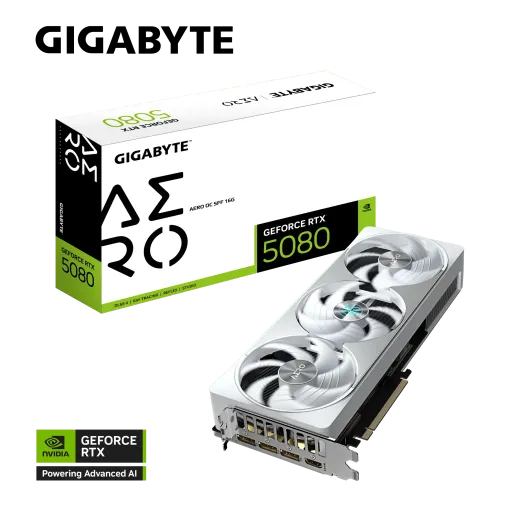
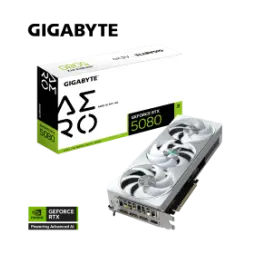
Gigabyte GeForce RTX 5080 Aero OC SFF


You Might Also Like
This Gigabyte RTX 5080 AERO OC SFF focuses on compact builds, choti cases mein bhi premium look maintain hota hai, and the shroud styling stays clean. The NVIDIA Blackwell architecture brings modern AI and ray tracing, jis se next gen titles ka visual realism zyada natural lagta hai. The factory OC core clock reaches 2730 MHz for this edition, so burst workloads feel snappy when the game suddenly gets heavy. The 16GB GDDR7 frame buffer handles large textures confidently, rozana 4K gaming ya heavy mods mein stutter risk kam hota hai, and creators get more timeline headroom. The SFF ready positioning keeps the card practical for space conscious rigs, asaani se cable routing aur airflow planning ho jata hai, without forcing a tiny low power cooler. The PCIe 5.0 card bus keeps platform compatibility current, aur future motherboard upgrade par bhi setup smooth rehta hai. The AERO design language suits creator desks too, kyun ke RGB ko subtle rakha ja sakta hai, and the overall build stays studio friendly. The RTX 5080 baseline includes 10,752 CUDA cores and Blackwell features, which supports strong raster output and modern AI pipelines in supported software
This graphics card ships with modern display connectivity, jahan 3x DisplayPort 2.1b aur 1x HDMI 2.1b practical monitor flexibility deta hai. The digital maximum resolution is listed as 7680 x 4320, so native 8K workflows and capture previews stay supported. The multi view support covers up to four displays, aur multi monitor productivity mein window juggling asaan ho jati hai. The RTX 5080 reference display spec highlights DP 2.1b and HDMI 2.1b capability, which matters when future high bandwidth panels become common. The DisplayPort 2.1b UHBR20 notes include very high refresh scenarios with DSC, meaning esports grade smoothness can scale beyond today’s typical 4K limits. The HDMI 2.1b support also targets high refresh and 8K signaling with DSC, jahan TV gaming aur couch setup bhi future ready feel karta hai. The practical benefit shows up in daily use, kyun ke ek hi GPU se desk monitor aur living room display dono manage ho sakte hain, and cable swaps stay minimal. The port selection also keeps creators comfortable, since high resolution reference monitors and preview screens can run together without weird compromises
This RTX 5080 AERO OC SFF comes factory tuned, aur 2730 MHz core clock ka uplift quick bursts mein instantly feel hota hai. The reference comparison is noted as 2617 MHz, so the OC headroom is clearly positioned for buyers who want extra margin out of the box. The CUDA core count is listed as 10,752, which helps in both high FPS gaming and GPU accelerated creation where parallel work matters. The Blackwell architecture description ties into newer Tensor and RT generations, jis se ray tracing scenes mein lighting depth better aur AI effects zyada efficient ho jate hain. The PCIe 5.0 interface keeps the platform link current, aur high end builds mein overall responsiveness stable rehti hai when streaming assets fast. The DirectX 12 API support stays aligned with modern game engines, so upcoming releases can lean into new rendering paths without leaving features unused. The OpenGL 4.6 support still matters for certain tools and legacy apps, jahan viewport kaam smooth rehna chahiye, and compatibility surprises stay low. The real world win is steady pacing, kyun ke strong core throughput se minimum FPS improve hota hai, and micro stutter wali tension kam hoti hai
This generation centers heavily on AI assisted rendering, aur DLSS 4 support ke sath high settings par FPS uplift zyada achievable ho jata hai. The DLSS 4 feature stack includes Multi Frame Generation and Ray Reconstruction, which aims to improve performance while keeping detail retention believable. The benefit shows up during fast camera pans, kyun ke motion clarity better feel hoti hai, and high refresh monitors get fed more consistently. The competitive side gets attention through NVIDIA Reflex 2, where Frame Warp is positioned to reduce latency based on latest mouse input. The practical outcome is faster aim correction, rozana ranked matches mein shot timing thori zyada forgiving lagti hai, and flicks feel more connected. The Blackwell platform messaging also highlights neural rendering direction, which matters because newer games increasingly mix classic raster with AI driven enhancements. The creator angle stays equally relevant, kyun ke DLSS ecosystem se preview performance improve hoti hai in supported pipelines, and iteration time waste kam hota hai. The overall experience feels modern and controlled, because performance gains come with feature level tooling rather than risky manual compromises
This card carries 16GB of GDDR7 memory, jo heavy texture packs aur large project caches ko zyada comfortably hold karta hai. The memory bus width is 256 bit, which helps sustain throughput when ray tracing and high res assets hit VRAM together. The listed memory clock is 30 Gbps, so bandwidth pressure during 4K gaming feels less fragile in dense scenes. The RTX 5080 spec database notes 30 Gbps effective on 256 bit and reports 960 GB/s memory bandwidth, which is the kind of headroom that supports stable frametimes. The advantage becomes obvious in open world titles, kyun ke high res textures loading ke baad pop in aur sudden hitching ki frequency kam ho sakti hai, and camera turns stay smoother. The same VRAM buffer helps creators multitask, jahan timeline scrubbing, effects stacks, aur GPU accelerated previews ek sath chal rahe hon, without constant memory eviction. The Blackwell platform messaging also leans into creator tools, so a single GPU can cover gaming plus editing without switching hardware profiles daily. The net effect is less compromise thinking, kyun ke 16GB class VRAM se long term comfort improve hota hai, and workload spikes feel manageable
This AERO OC SFF model uses WINDFORCE cooling, jahan thermal stability ko priority di gayi hai for sustained performance. The cooling stack includes a large vapor chamber and composite copper heat pipes, which helps move heat away quickly when load spikes hit. The fan system highlights Hawk fans with alternate spinning, aur airflow turbulence control se noise profile zyada refined feel hota hai in real rooms. The Hawk fan description claims up to 12.5% increased cooling performance without compromising acoustics, which is exactly what compact builds need for heat kam behavior. The semi passive 3D Active Fan behavior keeps fans off at low load, so idle ya light browsing par PC bilkul calm rehta hai, and background noise stays low. The server grade thermal conductive gel targets VRAM and MOSFET contact reliability, kyun ke uneven surfaces par bhi contact better banta hai over time. The screen cooling design lets air pass through an extended heatsink, which helps prevent hot spots when the GPU runs long renders. The RTX 5080 reference power spec lists 360W Total Graphics Power, so robust cooling matters to keep clocks stable under a heavy sustained load. The day to day benefit is consistent boost behavior, kyun ke temperatures controlled hon to random throttling wali frustration kam hoti hai, and performance feels predictable
This card is explicitly marked NVIDIA SFF ready, jo small form factor planning ko straightforward banata hai for builders who hate guesswork. The official card size is listed as L=304 W=126 H=50 mm, so clearance checks become measurable rather than stressful. The NVIDIA SFF ready guideline lists this exact GIGABYTE model under compliant cards, which means case compatibility research takes less time. The SFF ready concept is described as a guideline for space and working room, aur yeh future upgrades ko easier banata hai without forcing a full chassis replacement. The reinforced structure includes a metal backplate with a bent edge tied to the I/O bracket, which helps keep the card rigid inside tighter cases. The included versatile VGA holder adds practical support, kyun ke GPU sag ka risk long term mein build ko messy bana deta hai, and alignment issues start creeping in. The exterior design theme stays minimal and modern, so a glass panel build looks intentional without going overboard on aggressive gamer angles. The practical payoff is a cleaner build loop, kyun ke size, support, aur structure mil kar installation ko asaan banate hain, and maintenance becomes simpler later
This GPU connects through a PCIe 5.0 card bus, so modern motherboards can feed data efficiently while keeping the system build forward looking. The power connector is specified as one 16 pin input, aur yeh compact cable planning mein important hota hai because bend clearance matters in SFF layouts. The included accessory list mentions a 12V 2x6 to 3x PCIe 8 pin adapter, which helps older PSUs remain usable while planning a future ATX 3.x upgrade. The recommended PSU rating is listed as 850W, so stable overhead remains available when CPU and GPU both spike under gaming plus streaming loads. The RTX 5080 reference page also calls out 850W system power guidance and modern cabling options, which reinforces the idea of building with clean, high current cabling paths. The Intel ATX design guide describes the 12V 2x6 auxiliary connector as designed to deliver up to 600W to a PCIe add in card, jo high end GPUs ke liye relevant safety headroom dikhata hai. The better practice is clean cable seating and gentle bends, kyun ke tight turns connector strain badha dete hain, and long sessions mein heat build up risk rise hota hai. The overall result is a tidy high performance setup, because power planning stays predictable and the platform choices remain current
This model includes Dual BIOS with Performance and Silent modes, to let the same hardware fit two moods without constant manual fan tweaking. The factory default is Performance mode, aur Silent mode ka idea simple hai: noise kam karo while keeping the experience refined. The power indicator feature adds a quick diagnostic cue, jahan abnormal power conditions par flashing light se issue pehle hi spot ho sakta hai, and downtime can shrink. The RGB lighting is controllable through GIGABYTE Control Center, so a minimalist AERO build can stay subtle while still matching other components. The Control Center description mentions real time tuning of clock speed, voltage, fan mode, and power target, which helps enthusiasts dial in heat kam acoustics without losing stability. The long term confidence is boosted by a 4 year warranty option via online registration within 30 days of purchase, jo high end GPU ownership ko mentally easier banata hai. The official spec sheet also confirms modern API support like DirectX 12 and OpenGL 4.6, so daily work tools and games stay compatible across a wide range of engines. The best fit is high refresh 1440p to 4K gaming plus creator workflows, kyun ke Blackwell features and 16GB GDDR7 combine for smoother iteration and fewer compromises. The closing takeaway stays practical and simple, because this AERO OC SFF variant prioritizes fit, airflow, and modern I/O while keeping flagship class capability in a compact footprint
Here's how current offers compare across retailers.
Review current prices and specifications side by side.
Gigabyte
Gigabyte GeForce RTX 5060From Rs. 124,990
Local price
Lowest current price22 offers
Updated 22 hours ago
Gigabyte
Gigabyte GeForce RTX 5070 TiFrom Rs. 340,000
Local price
10 offers
Updated 22 hours ago