
Price Breakdown & Availability
Here's how current offers compare across retailers.
You Might Also Like
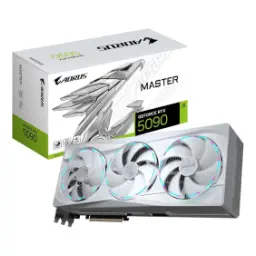
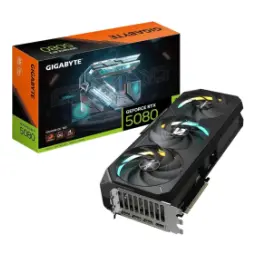
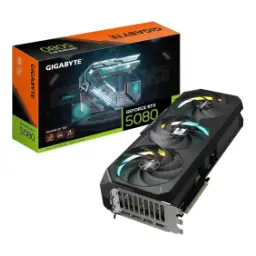
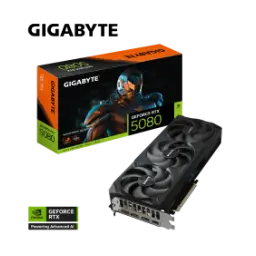
The Gigabyte GeForce RTX 5090 Gaming targets builders who want flagship class headroom for modern engines, rozana ka use ho ya weekend marathons, without constantly dialing settings down. The platform is rooted in NVIDIA’s Blackwell architecture, which is designed to push both raster and neural rendering forward for the GeForce RTX 50 Series. The core configuration is massive at 21,760 CUDA cores, so heavy scenes can stay stable when effects stack up and frame pacing matters. The memory subsystem is equally serious with 32GB of GDDR7 on a 512 bit interface, which helps reduce “texture shuffle” moments when a game or project suddenly loads a bigger set of assets. The PCI Express Gen 5 support keeps the card aligned with current high end platforms, aur system pipeline zyada future conscious feel deta hai for long upgrade cycles. The Gigabyte GAMING line is meant to bring that reference level foundation into a more builder friendly board with practical extras, taake daily stability aur handling dono smooth rahen. The result is a GPU identity that focuses on sustained capability, not just peak bursts, which is exactly what high refresh 4K and creator timelines demand
Modern flagship gaming feels best when motion stays clean, aur jab camera fast pan kare to details smear na hon, and DLSS 4 is built for that kind of experience. NVIDIA positions GeForce RTX 5090 with DLSS 4 support, including Multi Frame Generation alongside Super Resolution, DLAA, and Ray Reconstruction. The Multi Frame Generation approach can generate up to three frames per rendered frame on GeForce RTX 50 Series, which is a direct path to smoother high refresh gameplay when you are GPU heavy and visuals are maxed. The transformer based AI model upgrades for Ray Reconstruction, Super Resolution, and DLAA aim to improve stability from frame to frame, so moving foliage, thin wires, and specular highlights look less “shimmery” in motion, bilkul zyada polished. NVIDIA also describes Blackwell era pacing improvements like hardware Flip Metering to help keep generated frames evenly paced, which matters because smoothness is not only about average FPS. The practical advantage is simple for everyday players: you can chase higher fidelity presets while keeping control responsiveness in a better place, rozana ke competitive matches ya story games dono mein. The visual win is not just speed, because Ray Reconstruction is meant to replace hand tuned denoisers with an AI model that can preserve fine lighting detail and reduce artifacts in heavy ray traced scenes. When the card has enough raw throughput plus DLSS leverage, the “turn it on and it still feels smooth” outcome becomes realistic, aur yahi flagship buying ka real point hota hai
Strong frame time consistency comes from brute compute depth, aur RTX 5090 ka 21,760 shading unit scale that headroom is built into the silicon. The GPU architecture is NVIDIA Blackwell, which is the official foundation for the RTX 50 Series and the feature stack that sits on top of it. NVIDIA also highlights fifth generation Tensor Cores and fourth generation Ray Tracing Cores as part of the Blackwell generation, which is important when games mix classic rendering with neural shaders and AI assisted effects. For practical gameplay, the benefit shows up when minimum FPS stays healthier, kyun ke heavy crowd scenes aur dense geometry spikes ko absorb karna easier hota hai. The RTX 5090 reference clocks are listed around 2.01GHz base and 2.41GHz boost, which signals the card is tuned for high sustained performance rather than short micro boosts only. The Gaming edition board design matters here because stable boost behavior depends on cooling, power delivery, and acoustics, aur yeh cheezein real life mein FPS ko steady rakhti hain. The overall platform is meant to be a “set your target and keep it” experience, so you can play at high refresh or render heavy assets without constant babysitting
Large VRAM capacity matters most when workloads spike, aur 32GB GDDR7 gives the RTX 5090 a wide comfort zone for ultra textures, big mods, and creator caches. The memory interface width is 512 bit, which supports high bandwidth flow so the GPU can keep feeding shaders without feeling “starved” in high resolution scenarios. The effective memory speed is commonly listed at 28 Gbps for RTX 5090 configurations, which helps explain why big scenes can maintain smoother delivery when ray tracing and high res assets are enabled together. TechPowerUp’s database also reports bandwidth around 1.79 TB/s, and that kind of pipe is valuable when you want fewer “micro stops” during fast travel, big city traversal, or shader compilation heavy moments. For creators, the same headroom can reduce the need to constantly proxy or downscale previews, kyun ke larger projects can stay resident longer and scrubbing feels more predictable. NVIDIA positions the RTX 5090 as a gamer and creator flagship, which aligns with this memory first stability story. This is the kind of spec that pays off quietly every day, because less swapping means less random hitching, aur overall experience zyada refined lagta hai
Long sessions stay enjoyable when thermals behave, aur Gigabyte’s GAMING OC 32G page highlights a WINDFORCE cooling system with details like Hawk fan and server grade thermal conductive gel. The practical benefit is sustained performance with heat kam, because stable temperatures reduce the chance of clocks yo yoing during extended gameplay or long renders. The board also lists Dual BIOS modes (Performance and Silent), which is useful when you want to choose between maximum cooling headroom or a quieter profile for late night use. The reinforced structure and included style support approach matters because heavier flagship cards can sag over time, aur build ko clean aur secure rakhna easier ho jata hai. The same product page references a power indicator for PSU abnormality signaling, which can be a small but meaningful troubleshooting assist when a high draw GPU is paired with a borderline setup. The craftsmanship notes like Ultra Durable components and a “friendly PCB design” speak to reliability and handling, especially if upgrades and cable management happen often. When cooling and structure are treated as first class features, the card feels less like a fragile trophy and more like a daily driver, bilkul tension free for real world use
High end performance needs serious power planning, aur RTX 5090 is listed with a 575W TDP in common spec databases, so a quality PSU becomes part of the performance story. Gigabyte’s RTX 5090 GAMING OC 32G spec sheet calls out a 1000W recommended PSU, which helps reduce shutdown risk and keeps transient spikes from turning into instability. The card uses a single 16 pin power connector on the Gigabyte listing, so clean cable routing and a proper PSU cable setup can directly improve day to day reliability. The accessory list on the same page mentions a 12V 2x6 to 4x PCIe 8 pin adapter, which is helpful when an older PSU is otherwise strong but lacks the newest native connector, bas wiring ko neat rakhna zaroori hai. The physical size is also listed at L=342 W=152 H=70 mm for the Gigabyte GAMING OC model, so case clearance and airflow planning should be done before install to avoid last minute fit surprises. When power and airflow are handled properly, the GPU can focus on smooth delivery rather than recovery from spikes, aur performance bohat stable feel hoti hai
A flagship GPU feels complete when I/O is modern, aur RTX 5090 supports PCI Express Gen 5 according to NVIDIA’s official spec highlights, which keeps the platform aligned with current enthusiast boards. Gigabyte’s spec sheet lists the card bus as PCI E 5.0 and shows a multi display setup capability up to four, which is ideal for creators who keep timelines, scopes, and references open together. The output layout on the Gigabyte listing includes three DisplayPort 2.1b ports plus one HDMI 2.1b, so high refresh monitors and modern TVs can be connected without awkward adapter chains, asaani se. The same page cites a digital maximum resolution of 7680x4320, which supports serious 8K workflows or multi monitor layouts where clarity matters even at a distance. TechPowerUp also lists HDMI 2.1b and DisplayPort 2.1b outputs for the RTX 5090 reference design, reinforcing that the generation is aimed at high bandwidth display standards. When a GPU has both compute muscle and current outputs, the overall build feels ready for today’s screens and tomorrow’s upgrades, aur switching setups becomes less of a headache
Creator workflows benefit when the GPU accelerates more than frames, aur NVIDIA lists the RTX 5090 at 3352 AI TOPS which signals serious tensor class throughput for AI assisted tools. NVIDIA also lists both Game Ready Drivers and Studio Drivers support in the RTX 5090 technology stack, which helps users pick stability focused paths for editing and production without changing hardware. NVIDIA Broadcast support is also called out for the card, which is useful for streaming clarity and background effects, aur work from home calls mein bhi output clean lagta hai. Competitive feel improves when latency stays under control, and NVIDIA specifies Reflex 2 support on RTX 5090 with Frame Warp listed as “coming soon” on the spec page. NVIDIA’s Reflex 2 write up explains Frame Warp as a technique that can reduce latency further, with examples showing up to 75% overall latency reduction in supported scenarios, which is meaningful when high FPS features like frame generation are in play. DLSS Multi Frame Generation is designed to work with Reflex for responsiveness, so higher FPS doesn’t have to automatically mean “floaty” input if the stack is used correctly. When gaming and creation share one GPU, this ecosystem depth becomes the real advantage, kyun ke har use case ko dedicated support milta hai
A smart flagship purchase balances speed, support, and durability, aur RTX 5090 is positioned by NVIDIA as a major generational leap with claims of up to 2x over RTX 4090 in certain contexts tied to Blackwell and DLSS 4. The core spec foundation of 21,760 shading units, 32GB GDDR7, and a 512 bit bus builds a wide performance runway, which can matter more over time than small clock differences. Gigabyte’s GAMING OC page highlights builder focused touches like reinforced structure, Dual BIOS options, and a VGA holder approach, which reduces the long term “maintenance drama” that heavy cards sometimes bring. Gigabyte also offers a 4 year warranty path through online registration within 30 days of purchase on this model, which can add peace of mind when the GPU is expected to run hard for years. The practical buying checklist should include PSU headroom, case clearance, and monitor goals, kyun ke yeh teen cheezein combined experience ko make or break kar deti hain. When the system is paired correctly, the RTX 5090 Gaming class build feels like a stable platform rather than a one season flex, and that is where real value lives
Here's how current offers compare across retailers.