



Price Breakdown & Availability
Here's how current offers compare across retailers.
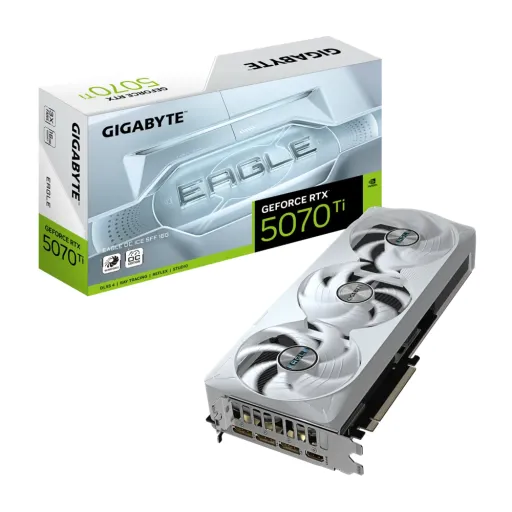
Gigabyte GeForce RTX 5070 Ti WINDFORCE OC SFF

You Might Also Like
This Gigabyte RTX 5070 Ti variant is built for momentum, jab aap chahte ho high end frames without a huge card dominating the case. The NVIDIA Blackwell foundation adds modern AI and neural rendering workflows, so games and creator apps can scale smoothly as engines evolve. The WINDFORCE OC SFF tuning pushes boost clocks up to 2497 MHz, which helps keep bursts feeling snappy in real gameplay. The 16GB GDDR7 memory pool supports modern texture packs and heavier scenes, rozana ke gaming sessions mein bhi headroom feel hota hai. The 256 bit memory bus keeps bandwidth in a balanced class, so high detail assets load and stream with less pressure. The PCI Express 5.0 interface matches current enthusiast platforms, giving the GPU a modern lane to breathe. The DirectX 12 and OpenGL 4.6 support keeps compatibility wide, so older tools and new games both stay comfortable. The SFF ready positioning is not just a label, kyun ke dimensions ko guideline ke mutabiq rakha gaya hai for small builds. The reinforced structure and included support accessories aim to keep long term ownership tidy, especially if your case moves often. This overall package reads like a clean upgrade path, jahan performance strong hai aur fitment stress kam hota hai
This card’s biggest advantage shows up during planning, jab aap SFF ya compact mid tower build ko serious GPU ke saath pair karna chahte ho. The NVIDIA SFF Ready guideline calls out 304 mm maximum length and 50 mm maximum depth, plus height clearance including the power cable bend radius. The WINDFORCE OC SFF model is listed at 304 x 126 x 50 mm, so the numbers line up with that SFF ready target. The dual slot class footprint stays build friendly, jahan airflow routing asaani se manage hoti hai without forcing an oversized layout. The practical win is fewer surprises at install time, kyun ke length aur thickness pehle se known hoti hai for cable and fan clearance. The cable bend radius detail matters in small cases, because a tight 16 pin route can become the real bottleneck, bilkul waise hi jaise side panel close karte waqt hota hai. The included holder approach adds peace of mind in travel or frequent desk moves, jahan GPU sag ka risk naturally zyada feel hota hai. The end result is simple selection logic, taake aap case, PSU, aur GPU ko confidently match kar sako without guesswork
This generation’s real magic comes from AI scaling, jab native rendering alone aapko settings compromise karwa deti hai. NVIDIA positions DLSS 4 Multi Frame Generation as a way to generate up to three frames per rendered frame, which can multiply frame rates in supported games and apps. The same launch messaging notes performance gains can reach up to 8x over traditional rendering in the right scenario, so the upside is meaningful when a title is tuned well. The Blackwell platform also emphasizes improved frame pacing support for DLSS Multi Frame Generation, which helps motion feel smooth rather than spiky. The benefit shows up in fast shooters and camera heavy RPGs, jahan smoothness ka matlab input rhythm stable rehta hai and aiming feels consistent. The transformer based DLSS upgrades are described as boosting stability and reducing ghosting, so detail can look cleaner during motion. The WINDFORCE OC SFF approach makes sense here, kyun ke compact builds often need efficiency and smooth delivery more than brute force heat. This is a platform story that benefits everyday play, rozana ke sessions mein bhi, because fewer dips feel like a bigger upgrade than peak numbers
This 16GB GDDR7 configuration targets modern assets, jab games higher resolution textures aur heavier ray traced buffers push karte hain. The official listing confirms 16GB GDDR7 on a 256 bit interface, which is a balanced layout for high detail 1440p and selective 4K use. The memory speed is shown as 28 Gbps, so data feeds the GPU quickly when scenes shift or new areas stream in. The TechPowerUp reference spec also lists 16GB GDDR7, 256 bit, and 28 Gbps effective, which helps confirm the broader RTX 5070 Ti memory profile. The same database estimates 896.0 GB/s memory bandwidth, which is the kind of throughput that keeps texture heavy scenes from feeling “loading like” mid fight. The practical benefit is fewer sudden hitches, kyun ke VRAM pressure kam hoti hai and caching can stay healthier. The 256 bit bus choice also fits power aware designs, because overly wide buses can raise board complexity without always improving real world smoothness. The end feel is stable multitasking, jahan game, Discord, browser tabs, aur recording tools saath chal jate hain with fewer compromises
This WINDFORCE OC SFF edition focuses on sustained behavior, kyun ke real gaming is about long sessions not just quick benchmarks. The product highlights a WINDFORCE cooling system with Hawk fan design, aiming for consistent airflow in a compact footprint. The same page also mentions server grade thermal conductive gel, which is intended to improve thermal contact across components in the cooling stack. The dual BIOS option gives Performance and Silent modes, so aap apni priority choose kar sakte ho without constant manual tuning. The benefit is predictable clocks under load, jahan heat spikes control mein rahen to gameplay ka rhythm stable rehta hai and frametimes feel smooth. The reinforced structure supports day to day durability, especially when the card is mounted in a smaller chassis with tighter airflow paths. The included holder approach is a small detail with real value, kyun ke compact builds often travel for LAN or desk changes and sag risk becomes noticeable. The overall experience stays refined, jahan heat kam feel hoti hai and fan behavior can stay less distracting during late night sessions
This card’s output layout fits modern monitors, jab aap high refresh 1440p ya 4K screens ke saath clean connectivity chahte ho. The official spec lists three DisplayPort 2.1b ports plus one HDMI 2.1b, which makes multi monitor routing straightforward. The maximum digital resolution is stated as 7680 x 4320, so 8K class displays and capture workflows stay in scope. The multiview support is listed as up to four displays, which is ideal for creators and traders, ya phir gamers with a second screen for chat and guides. NVIDIA also describes DisplayPort 2.1b UHBR20 support on Blackwell as enabling very high end display driving, including up to 8K 165Hz in the broader platform messaging. The real world win is flexibility, kyun ke you can run a fast esports panel and a color accurate creator display without juggling adapters. The B&H listing matches the same port set and confirms PCIe 5.0 x16 and the 16GB GDDR7 configuration, which helps cross check the core setup. The setup feels future leaning without being complicated, bilkul asaani se plug in karo and get on with your work or play
This GPU stays comfortable across modern engines, jab aap AAA titles, competitive shooters, aur older OpenGL tools sab mix karte ho. The Gigabyte spec sheet calls out DirectX 12 API and OpenGL 4.6 support, so compatibility stays broad for both games and creative pipelines. The TechPowerUp database notes the RTX 5070 Ti supports DirectX 12 Ultimate, which signals feature readiness for modern rendering paths like hardware ray tracing. The same source lists 70 ray tracing acceleration cores and 280 tensor cores for the reference 5070 Ti, which is the kind of balance that helps both visuals and AI assisted scaling. The NVIDIA platform messaging emphasizes new RT cores built for massive geometry and DLSS 4 as the companion tech, which helps keep ray traced scenes playable. The practical outcome is less time tweaking, kyun ke you can aim for higher fidelity while still keeping responsiveness under control. The WINDFORCE OC SFF concept fits this idea well, because stable thermals help boost behavior stay consistent during shader compilation bursts and heavy scenes. The experience feels like a modern toolbox, jahan gaming, editing, aur AI assisted features ek hi card par asaani se align ho jate hain
This card keeps power requirements clear and direct, taake build planning mein confusion na ho and you can size parts correctly. The Gigabyte specification lists a single 16 pin power connector and a 750W recommended PSU, which fits mainstream enthusiast builds with modern CPUs. The B&H listing also confirms the 1x 16 pin connection and the 750W recommended system power requirement, giving an extra cross check from a major retailer. The same retailer page lists maximum power consumption at 300W, so you can budget headroom for CPU boosts, fans, and storage without guessing. The Gigabyte accessories list includes a 12V 2x6 to PCIe 8 pin adapter cable, which helps if your PSU is strong but not natively 16 pin. The planning tip is keeping cable routing gentle, kyun ke small cases mein bend radius important ho jata hai and clean airflow matters. The end benefit is a stable platform, jahan random shutdown tension kam hoti hai and boost behavior stays more consistent
This RTX 5070 Ti class card lands in a sweet spot, jahan 1440p high refresh gaming practical hoti hai and 4K becomes approachable with smart settings. TechPowerUp frames the GeForce RTX 5070 Ti as an enthusiast class card and lists recommended gaming resolutions across 1080p, 1440p, and 4K, which matches how most buyers use this tier. The Gigabyte WINDFORCE OC SFF edition adds its own boost clock of 2497 MHz, so you get extra top end responsiveness without manual overclock stress. The 16GB GDDR7 setup supports modern texture demands, aur yeh cheez long term comfort deti hai when game installs and asset sizes keep growing. The SFF ready guideline makes the size story concrete, because the platform calls out 304 mm length and 50 mm depth as the enthusiast SFF target. The card’s listed dimensions of 304 x 126 x 50 mm follow that blueprint, which keeps upgrades realistic even when your case footprint stays small. The Blackwell and DLSS 4 positioning adds flexibility, kyun ke AI frame generation and newer RT improvements aim to keep demanding titles playable at higher fidelity. This is a card that fits builders who want compact confidence, rozana ka smooth gameplay, and a cleaner path into next gen features without going oversized
Here's how current offers compare across retailers.
Review current prices and specifications side by side.
Gigabyte
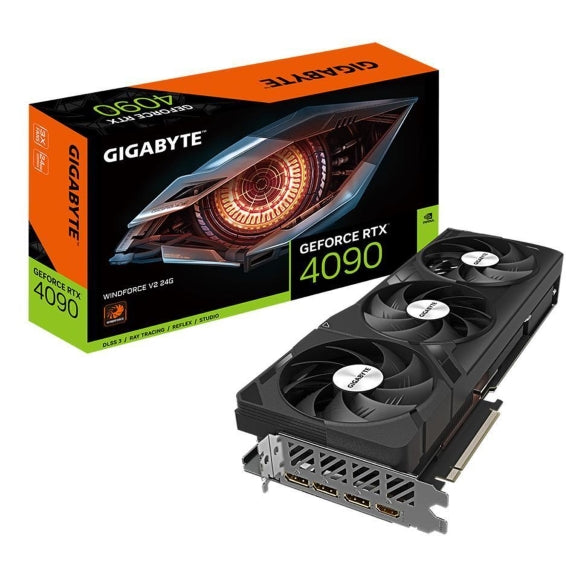
Gigabyte GeForce RTX 4090From Rs. 637,000
Local price
1 offer
Updated 23 hours ago
Gigabyte
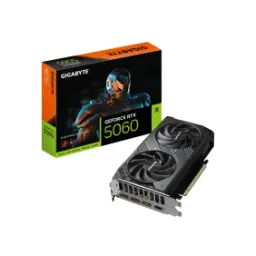
Gigabyte GeForce RTX 5060From Rs. 124,990
Local price
Lowest current price22 offers
Updated 23 hours ago