


Price Breakdown & Availability
Here's how current offers compare across retailers.
You Might Also Like
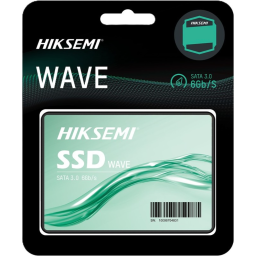
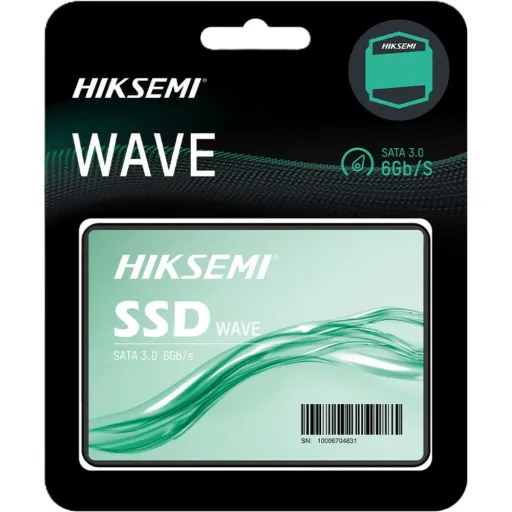
This Hiksemi WAVE(S) 128GB SATA SSD targets everyday speed upgrades with a practical, no drama setup that fits most older and newer systems. The standard 2.5 inch form factor slides into laptop or desktop bays easily, aur installation ka process bilkul seedha rehta hai, so you spend less time troubleshooting. The drive uses 3D NAND flash as its storage medium, which is a modern approach for density and consistency in daily reads and writes. The WAVE(S) series is positioned as a consumer SSD focused on stable data transmission and broad compatibility, rozana office work ho ya home PC, usability smooth rehti hai. The interface is listed as SATA on the product family page, and SATA IO identifies the modern 6Gb/s generation as SATA 6Gb/s in its naming guidance, jo log “SATA III” kehte hain usi ko properly refer karta hai. The WAVE(S) series spans multiple capacities from 120GB up to 4096GB, which shows it is designed as a scalable lineup rather than a one off model. This 128GB variant is best treated as a performance foundation for OS and core apps, agar aap ka goal boot fast aur daily clicks snappy karna ho, not as a massive media vault
This 128GB configuration is typically rated for up to 460 MB/s sequential read and 370 MB/s sequential write in CrystalDiskMark style listing, which is enough to make booting and app loading feel noticeably quicker than a hard drive. That sequential behavior helps large file actions feel less “stuck,” aur Windows updates ya basic installs mein waiting time kam hota hai, especially on older SATA PCs. The same 128GB listing also quotes 4K aligned random performance around 28K read IOPS and 51K write IOPS, and those small file moves are what make a system feel responsive in everyday use. The WAVE(S) series specifications on the official page are presented as ranges that vary by capacity, so expectations should stay realistic across different models in the lineup. That variability is normal for SATA SSD families, kyun ke controller behavior aur NAND parallelism capacity ke sath change hota hai, and it affects headline speeds. The SATA 6Gb/s generation is also designed to be widely interoperable across platforms, so upgrades rarely require exotic adapters if your machine already supports SATA storage. This performance class is ideal for smooth browsing, quick office opens, and faster game launch screens, lag nahi hota jitna HDD par hota hai, while staying simple and familiar for most builders
This 2.5 inch SATA drive format is widely supported in desktops and many laptops, making it a straightforward replacement for older 2.5 inch HDDs. The 128GB product listing specifies dimensions around 10 x 6.9 x 0.7 cm, which matches the slim 7mm profile many laptops expect, aur fitment ki tension usually nahi hoti. The same listing also notes a lightweight build (up to about 34.4g), so the chassis stays easy to handle and mobile devices feel less burdened. A standard SATA data + power connection keeps the upgrade process familiar, asaani se old drive unplug karo aur SSD connect kar do, then you are ready for cloning or fresh install. The WAVE(S) family is positioned for significant compatibility across platforms, which matters when you are reviving an older PC that has limited BIOS options. The SATA IO naming guidance also highlights the 6Gb/s generation and its backward compatibility narrative, which supports the idea that many systems will simply negotiate the best link they can handle. This kind of drop in usability is the real advantage of 2.5 inch SATA, kyun ke upgrade ka effort low rehta hai, and the results are felt immediately in day to day workflows
This SSD uses 3D NAND as its storage medium, which is designed around stacking memory cells to improve density and modern performance characteristics. That layered NAND approach is widely associated with higher storage density in a similar footprint, aur is ka faida yeh hota hai ke compact drives mein bhi modern behavior milta hai. The WAVE(S) positioning emphasizes stable data transmission, which is the exact “daily reliability” vibe people want when the system drive carries OS files and apps. A SATA SSD also avoids mechanical seek delays, so small file reads feel smoother, rozana browsing cache ho ya Office documents, responsiveness better rehti hai. The 128GB model listing pairs 3D NAND with a consumer friendly spec profile, and it is described as widely compatible for common systems. That combination works well for routine tasks like email, spreadsheets, and lightweight creative work, jahan steady performance chahiye hoti hai, not just peak burst numbers. The end result is a machine that feels cleaner and more predictable in normal use, and that “predictability” is what makes an SSD upgrade feel worth doing
This WAVE(S) series is marketed with anti shock and anti fall positioning, which is a practical benefit when a laptop moves between home, office, and travel bags. A solid state design has no spinning platters, is liye accidental bumps usually HDD jaisi instant damage anxiety create nahi karte, and everyday handling feels less risky. The 128GB product listings repeat the anti shock and anti fall theme and frame the drive as a stable upgrade for general computing, which aligns with real world usage patterns. The WAVE(S) line also highlights stable transmission as part of the story, and that is exactly what matters when your work files need consistent access. A compact 2.5 inch SSD is also easy to mount in desktops with a simple bracket, aur cable routing clean rehti hai, so airflow and serviceability stay neat. The overall build direction is about dependable daily computing rather than flashy niche features, which fits users who want a system that “just works,” bilkul. This is the kind of component that quietly reduces daily friction, and that is often the most valuable upgrade you can make to an aging PC
This series is listed with a maximum power consumption range around 1.3W to 3.7W depending on capacity, which supports an efficiency first profile for laptops and compact desktops. That lower draw usually means less heat output than older spinning drives, heat kam rehta hai, and the chassis does not need to ramp fans as aggressively for storage activity. The official specifications also list an operating temperature range of 0 to 70°C for the WAVE(S) series, which suits normal indoor environments and typical PC airflow setups. A slim 2.5 inch SSD format also helps in tight laptop bays, kyun ke space constraints mein bhi fit ho jata hai, and it keeps the upgrade clean. The 128GB listing repeats the 2.5 inch SATA interface approach, reinforcing that this is meant to be a low hassle upgrade path rather than a power hungry performance experiment. The practical takeaway is a system that runs quieter during file operations, and even if fans are not storage driven, the overall thermal load stays easier to manage. This matters most in everyday work because consistent comfort beats short bursts of speed, rozana ke routine mein
This 128GB capacity tier works best when it is treated as a dedicated system drive for Windows or Linux plus essential applications. A focused OS only setup keeps the SSD from filling up too quickly, storage tight ho jati hai jab drive 80 90% full chali jaye, and performance management becomes easier. The WAVE(S) lineup includes many higher capacities, so 128GB can be the entry point for speed while larger drives handle media and archives. A realistic expectation is that formatted capacity is always a bit lower than the labeled number because some space is used for formatting and management, which is a common note on SSD product pages. A clean partitioning approach also makes backups simpler, backup ka flow asaan hota hai, because system images stay smaller and quicker to restore. The 2.5 inch SATA form factor keeps compatibility wide, so older office PCs that cannot take NVMe drives can still get a meaningful speed refresh. This capacity choice is especially practical for students, office terminals, or family PCs where the goal is fast startup and reliable browsing, aur heavy video libraries kisi second drive par rakhna easy hota hai
This 128GB listing specifies an endurance rating of 40TBW, which is a helpful reference for typical client workloads when the drive is used as a boot and application disk. The same 128GB page also lists an MTBF figure of 1,500,000 hours, giving a reliability signal that many buyers look for in a primary system drive. The official WAVE(S) series specifications also mention MTBF at 1,500,000 hours and show a 3 year warranty for the series, which adds confidence for daily use plans. That warranty window is especially important for budget conscious upgrades, kyun ke peace of mind ka factor real hota hai, and it supports longer upgrade cycles. A sensible usage style is keeping write heavy scratch tasks on another drive when possible, so the system SSD stays focused on OS responsiveness and steady reads. The result is a storage setup that feels stable and predictable over time, and that stability is what people usually mean when they say performance “bohat reliable” hai. This clarity around endurance and warranty helps set expectations properly, so the purchase decision stays practical and informed
This SATA 6Gb/s class SSD remains a smart choice when the motherboard has no NVMe slot or when the simplest upgrade path is the priority. The SATA IO guidance frames the modern SATA generation as SATA 6Gb/s, and it is commonly marketed as SATA III in retail listings, jo confusion create karta hai but functionally the interface goal clear rehta hai. The SATA revision 3.0 generation is widely associated with a 6.0Gbit/s link and an effective 600MB/s uncoded transfer rate after encoding overhead, which explains why real world sequential speeds cluster below that ceiling. The WAVE(S) 128GB numbers listed around 460 MB/s read and 370 MB/s write sit comfortably in that expected SATA performance band, is liye results “normal” aur repeatable feel hotay hain. A clean SSD based boot drive also extends the useful life of older PCs, rozana ke kaam mein system “new” jaisa lagne lagta hai, especially when moving from a tired HDD. The WAVE(S) family also emphasizes stable data transmission and broad compatibility, which are the exact reasons SATA upgrades stay relevant for office fleets and home machines. The final takeaway is simple: this Hiksemi WAVE(S) 2.5 inch SATA SSD is a grounded, compatible, performance first refresh for 128GB system drive needs, bilkul practical choice
Here's how current offers compare across retailers.
Review current prices and specifications side by side.