


Price Breakdown & Availability
Here's how current offers compare across retailers.
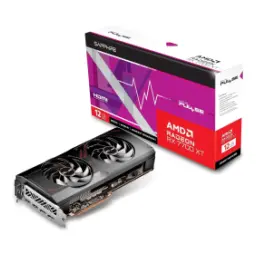
Sapphire Radeon RX 6700 XT PULSE

You Might Also Like
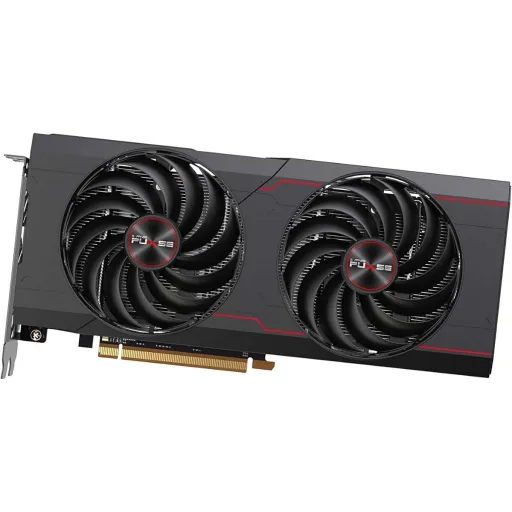
The Sapphire Radeon RX 6700 XT PULSE targets gamers who want a clean, dependable upgrade for 1440p play, without chasing oversized triple fan designs. The PULSE edition keeps the identity practical, yani rozana ke sessions mein cool aur composed feel, while still riding the full RX 6700 XT platform. A generous 12GB GDDR6 memory buffer gives modern games room for high res textures and larger worlds, so “VRAM full” warnings tension kam hoti hai. The Sapphire spec table lists boost clocks up to 2581MHz with a game clock up to 2424MHz, which translates into snappy frame delivery when scenes get heavy. The 230W board power rating keeps the performance to heat balance sensible, bilkul aisa nahi ke case andar furnace ban jaye. The PULSE design also stays installation friendly with an 8 pin plus 6 pin power setup, so wiring simple rehti hai in most mid tower builds. The overall idea feels straightforward: stable performance, sensible thermals, and enough VRAM to last through multiple game seasons
The Radeon RX 6700 XT class was introduced around strong 1440p gaming experiences, making it a natural match for high refresh QHD monitors. The PULSE card’s 12GB capacity helps keep texture quality high, taa ke open world titles mein pop in aur blurry assets ka masla kam ho. The supported feature set includes AMD FreeSync and HDMI 2.1 VRR, so motion can feel smoother with less tearing when your monitor supports it. The card also exposes DirectX 12 Ultimate support, which matters for modern rendering paths and feature parity across new releases. For mixed libraries, the RDNA 2 foundation keeps performance predictable, yani esports mein frametimes tight rehte hain and single player titles stay consistent. The bigger win is comfort: you can play long sessions without chasing endless “one more optimization” cycles, because the hardware target is clear and balanced. For gamers moving up from older 6 8GB cards, the jump feels more like freedom than just raw FPS
The Sapphire PULSE RX 6700 XT is built on AMD RDNA 2 and uses the Navi 22 GPU, a platform designed for modern APIs and newer visual pipelines. The core configuration lands at 40 Compute Units and 2560 stream processors, so raster performance stays strong, kaam bilkul stable rehta hai in typical 1440p workloads. The Sapphire spec sheet also lists 40 Ray Accelerators, which is the hardware block used for ray traced effects on this generation. The RDNA 2 design places a ray accelerator per compute unit, so ray tracing capability scales with CU count, conceptually simple and practical. The result is a usable path to upgraded lighting and reflections, lekin smart settings ke saath, so you can keep frames responsive in heavier scenes. The listed game clock up to 2424MHz and boost up to 2581MHz help maintain momentum when a title spikes in complexity. The overall feel stays balanced: modern effects are available, and the platform still prioritizes smooth, stable gameplay
The memory setup on this card is tuned for real game behavior, not just lab numbers, which matters when textures and assets stream constantly. The RX 6700 XT uses a 192 bit interface with 12GB GDDR6 and lists 96MB of Infinity Cache, giving you bandwidth plus caching to reduce latency. The Sapphire PULSE specification calls out 16Gbps effective memory speed and the same 96MB cache, so high detail settings feel less “choppy” during fast traversal, rozana ke gaming mein. The reviewed configuration is often summarized as 384GB/s raw bandwidth with 16Gbps modules, which is plenty for 1440p workloads when paired with the cache behavior. The Infinity Cache concept is specifically positioned by AMD as a way to reduce latency and power consumption compared to traditional designs, meaning efficiency bhi saath saath improve hoti hai. For creators and power users, the extra VRAM helps keep larger timelines, high res assets, and multi app workflows calmer, so alt tab aur multitasking asaan rehta hai. In day to day play, this shows up as fewer surprise stutters when a game loads a new area, and more confidence when pushing texture quality
Thermals decide whether a GPU feels fast for five minutes or fast for hours, and the PULSE approach focuses on sustained stability. The Sapphire page describes Dual X Cooling Technology paired with Intelligent Fan Control, which is meant to keep temperatures and noise under control during long sessions. The Sapphire launch notes also call out the same Dual X cooling plus Intelligent Fan Control, so extended gaming mein heat kam and boost behavior stays more consistent. The feature list includes two ball bearing fans and a metal backplate, which helps with durability and rigidity when the card is mounted horizontally. The refined PCB design is described as supporting stable, reliable performance and lowering component signal noise, which translates into fewer weird spikes, bilkul “set and play” wali feel. The protective details also include fuse protection in the external PCIe power connector circuit, a small engineering choice that can add peace of mind. The practical benefit is simple: clocks stay closer to target because the cooler can actually carry the load, and acoustics stay reasonable in a typical mid tower case
Power planning feels easier when the numbers are clear, and the PULSE keeps it straightforward for mainstream builds. The board power is listed at 230W, which generally sits in a manageable efficiency band for this performance tier, especially with good case airflow. The Sapphire system requirement calls for a minimum 650W power supply and specifies one 8 pin plus one 6 pin connector, so cable routing asaani se ho jati hai without exotic adapters. The interface is PCI Express 4.0 x16, which stays backward compatible for most users while still offering modern bandwidth when paired with newer platforms. The official form factor listing shows a 2.2 slot ATX design and dimensions of 260(L) x 119.85(W) x 49(H) mm, which is friendly for many mid tower cases, bilkul oversized nahi. The same practical sizing means front intake fans and drive cages are less likely to become a headache, so the upgrade stays quick and clean. For builders who care about tidy airflow paths, the PULSE footprint makes it easier to keep the system balanced and quiet
Software features matter most when they reduce friction, and the RX 6700 XT platform includes several tools that directly improve day to day feel. The Sapphire feature list highlights Smart Access Memory and Radeon Software support, which can boost performance in compatible Ryzen systems, kaafi practical uplift in some games. The AMD RX 6000 series notes also outline the platform requirements for Smart Access Memory enablement, so planning a balanced CPU motherboard combo stays simple. For sharper visuals, Radeon Image Sharpening is designed to restore clarity with minimal performance impact, which helps when you tune resolution scaling, bilkul clean look maintain hota hai. For responsiveness, Radeon Anti Lag reduces input to display lag by dynamically adjusting frame timing, which can make aiming feel tighter in GPU limited moments. For extra control, Sapphire TriXX Boost can increase FPS by lowering render resolution and upscaling with integrated Radeon Image Sharpening, meaning smooth gameplay without obvious blur when tuned properly. For modern scaling, AMD notes that FidelityFX Super Resolution support includes Radeon RX 6000 series GPUs when games integrate it, giving another path to higher frames with manageable image quality tradeoffs. The combined effect is simple: the card feels easier to tune, less stressful to maintain, and more adaptable across different game engines
Display connectivity decides how future proof a GPU feels, and the PULSE lineup keeps the essentials modern for today’s monitors and TVs. The Sapphire spec table lists up to four displays, with 1x HDMI and 3x DisplayPort outputs, which makes multi monitor productivity easy, kaam aur gaming dono manage ho jate hain. The resolution listing shows 7680×4320 on both HDMI and DisplayPort, so high resolution displays and sharp desktop scaling are supported when the rest of the chain allows it. The Sapphire launch notes further describe HDMI 2.1 VRR plus DisplayPort 1.4 with DSC support, which matters for high refresh and high resolution workflows. The TechPowerUp entry also summarizes the output set as HDMI 2.1 and DisplayPort 1.4a, aligning with what most modern displays expect for high bandwidth connections. For living room play, HDMI 2.1 VRR can help reduce tearing and judder on compatible TVs, yani smooth panning aur clean motion. For desk setups, triple DisplayPort makes it simple to run a high refresh main display plus side panels, keeping cables minimal and the build tidy
A smart GPU pick usually balances three things: usable performance, comfortable thermals, and the kind of VRAM headroom that keeps settings stable over time. The RX 6700 XT platform brings 40 Compute Units, 12GB GDDR6, a 192 bit interface, and a 230W TBP, which is a practical blend for the 1440p first crowd. The Sapphire PULSE spec sheet reinforces the same direction with boost up to 2581MHz, game clock up to 2424MHz, and 96MB Infinity Cache, so performance stays punchy without feeling unpredictable, bilkul stable feel. The KitGuru recap also explains the RDNA 2 memory approach and Infinity Cache, which helps explain why this tier can feel efficient in real games rather than only in benchmarks. The PULSE cooling and protection set includes Dual X Cooling, Intelligent Fan Control, and fuse protection, which is the kind of design detail that supports long term reliability in daily use. The overall fit feels right for builders who want a strong QHD card with modern ports and a sensible footprint, without spending extra space and noise budget unnecessarily. The final takeaway is clear: this Sapphire Radeon RX 6700 XT PULSE is a balanced 1440p class graphics card that stays smooth under load, offers modern scaling and sync options, and keeps upgrades uncomplicated
Here's how current offers compare across retailers.
Review current prices and specifications side by side.
 Current
Sapphire
Sapphire Radeon RX 6700 XT PULSERs. 83,000
Local price
Lowest current price1 offer
Updated 11 hours ago
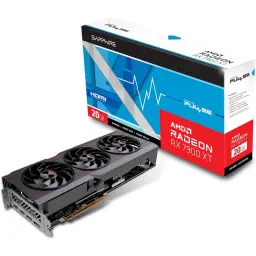
Sapphire
Sapphire Radeon RX 7900 XTFrom Rs. 254,790
Local price
4 offers
Updated 11 hours ago
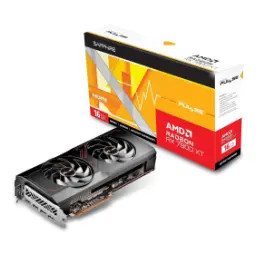
Sapphire
Sapphire Radeon RX 7800 XTFrom Rs. 174,990
Local price
3 offers
Updated 11 hours ago