


Price Breakdown & Availability
Here's how current offers compare across retailers.
You Might Also Like
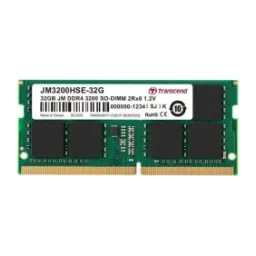
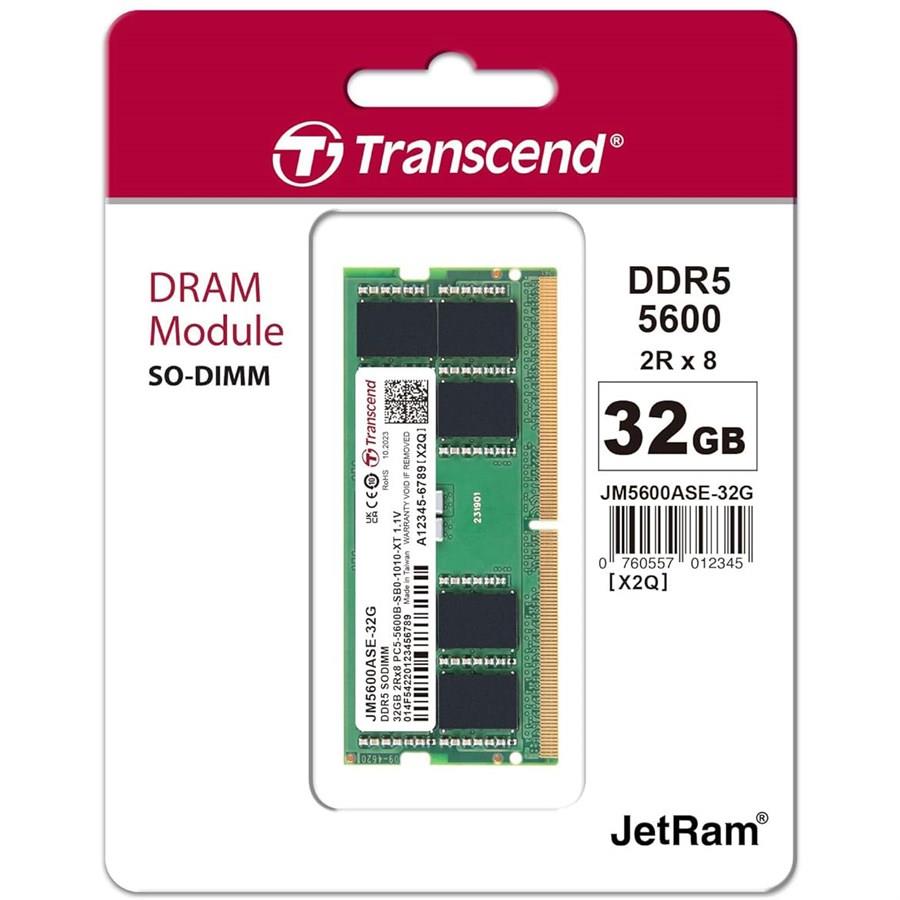
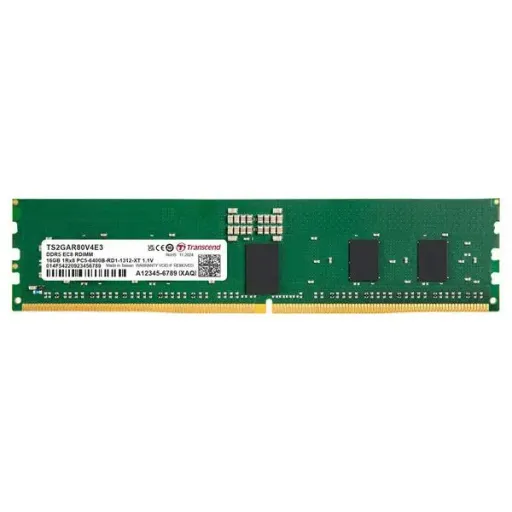
This Transcend JetRam DDR5 32GB module targets clean desktop upgrades, rozana ke tasks se le kar creative workloads tak, with a clear bandwidth jump. The DDR5 6400 transfer speed is designed to keep modern CPUs fed, so app launches, asset loads, and heavier multitasking feel less bottlenecked. The 1x32GB single stick format keeps expansion simple, pehle ek module install karo phir later pair bana lo, without locking you into a full kit. The 288 pin desktop DIMM layout fits standard DDR5 slots, jis se installation familiar rehti hai if you have built PCs before. The 1.1V operating voltage helps efficiency stay controlled, heat kam rehta hai in typical daily usage, and stability stays predictable. The JetRam approach focuses on JEDEC aligned behavior and screening, is liye aapko “set it and forget it” wala experience milta hai more often than not. The DDR5 module design uses two independent 32 bit channels, so mixed read/write traffic stays smoother under real world multitasking. The DDR5 6400 class also moves into clocked unbuffered territory for cleaner signaling, jo high frequency par stability ko support karta hai. This combination makes the module feel like a practical performance step, without turning your build into a tuning project
This DDR5 6400 speed tier is built for bandwidth heavy moments, jab aap multiple apps, browser tabs, and background services ek saath chala rahe hotay ho. The bigger win often appears in responsiveness, because DDR5 improves bus efficiency and can reduce the “waiting” feeling during transfers and refreshes. The JetRam DDR5 design focuses on stable power delivery and signal integrity, so sustained work feels consistent rather than spiky, bilkul especially during long sessions. The 6400MT/s data rate is also positioned for gaming and creator use cases, jahan smoother editing previews and large file handling matter more than synthetic bragging rights. The dual 32 bit channel structure can help keep smaller transactions flowing, so multitasking and asset streaming feel less “sticky” in daily operation. The practical takeaway is simple: you get higher headroom for modern workloads, aur aapko system wide snappiness ka benefit milta hai rather than only one benchmark. The module stays within DDR5’s efficiency focused baseline, so performance gains don’t have to come with runaway heat. The end result is a bandwidth first feel that supports smoother real work, while keeping the experience straightforward
This 6400 grade desktop module sits in the CUDIMM category, jo basically clocked unbuffered DIMM hota hai for high frequency stability. The key detail is the Client Clock Driver (CKD), because JEDEC mandates CKD at 6400MT/s for UDIMM and SODIMM class modules to protect signal integrity. The CKD concept is not just marketing, kyun ke yeh processor se aane wale clock signal ko buffer aur redrive karke cleaner delivery enable karta hai. The Transcend launch notes also highlight CUDIMMs as optimized from standard DIMMs, with CKD added for stable and efficient operation in high performance desktops. The practical benefit is fewer stability headaches at higher data rates, especially when your build runs long renders, multiple VMs, or heavy compile sessions, asaani se without random hiccups. The physical installation remains standard for desktop DDR5 slots, so you don’t need a special connector to begin planning your upgrade path. The platform planning still matters a lot, kyun ke high speed CUDIMM support depends on CPU generation, motherboard, and BIOS maturity. The safest approach is matching your board’s QVL and aiming for the speed your platform can reliably hold, so performance stays stable
This JetRam DDR5 platform includes on die ECC, jo DDR5 spec ka built in feature hai for correcting certain bit errors inside the DRAM chip. The important clarification is that on die ECC is not the same as full system ECC memory, because it cannot correct errors outside the chip or on the bus to the CPU’s memory controller. The reason this still matters is long term stability, kyun ke higher density DRAM scaling increases the chance of internal bit errors that need correction to keep reliability consistent. The Micron explanation also describes on die ECC (ODECC) as part of DDR5’s reliability evolution, with the DRAM generating and storing an ECC code internally during writes. The same overview notes how the DRAM evaluates data on reads and can correct single bit errors internally, jis se stability ka baseline improve hota hai for everyday computing. The Transcend JetRam DDR5 pages emphasize on die ECC as a stability and data integrity helper, so the module aims to stay dependable under typical PC workloads. The real benefit is peace of mind rather than a headline spec, kyun ke aapko background reliability improvements milti rehti hain without special configuration. The outcome feels like fewer weird crashes and cleaner long run operation, while keeping your desktop build simple
This DDR5 JetRam module runs at 1.1V, which helps reduce power draw compared to older DDR generations in typical use. The practical advantage is cooler behavior under steady load, heat kam hoti hai and the system fan curve can stay calmer during long sessions. The DDR5 design also introduces on module voltage regulation via a PMIC, which improves signaling and delivers cleaner power to the DIMM. The Transcend JetRam DDR5 description similarly points to PMIC helping reduce signal interruption while cutting power consumption for your computer. The net result is stability that feels less sensitive to small voltage noise, bilkul especially when your PC is doing many small tasks at once. The efficiency focus also aligns well with compact builds, because every watt saved reduces localized case heat and keeps the whole system more balanced. The 6400 class speed then becomes more usable in practice, kyun ke power delivery and signal integrity improvements work together to support stable operation. This is the kind of upgrade that quietly improves daily comfort, without forcing aggressive tuning habits
This 32GB capacity point is a sweet spot for modern desktops, kyun ke it gives breathing room for browsers, games, launchers, and creator apps together. The single stick approach helps you start strong while leaving room to match later, jab aap future mein second stick add karke dual channel setup complete karna chahen. The JetRam DDR5 6400 launch messaging frames this class for gamers and content creators, which aligns with workloads like video editing smoothness and large file processing. The DDR5 architecture also improves efficiency with dual 32 bit channels, so the system handles mixed small requests more smoothly under multitasking pressure. The experience feels especially noticeable when projects get layered, kyun ke background syncing, exports, and preview caches can sit in memory instead of constantly fighting storage. The goal is not just “more RAM for the sake of it,” balkay enough capacity to keep your workflow flowing when you jump between apps fast. The 6400MT/s bandwidth then supports that capacity, so big datasets and heavier scenes move with less friction in daily work. This is how the upgrade feels in reality: fewer slowdowns during context switching, and a more stable performance rhythm overall
This module uses a 288 pin desktop form factor, so it installs into standard DDR5 DIMM slots found on modern consumer motherboards. The DDR5 notch keying is designed to prevent wrong generation installs, aur DDR5 module keys differ by module type like UDIMM versus RDIMM to avoid mismatches. The unbuffered desktop orientation keeps the build process familiar, jis ka matlab yeh hai ke you don’t need workstation only platforms just to get started. The 6400 class being CUDIMM means a CKD is present to support high frequency stability, lekin physical fit still targets the same desktop slot standard. The easiest setup path is checking motherboard memory QVL and updating BIOS when recommended, taake training and boot behavior smooth rahe. The installation routine stays simple: seat the module fully, confirm latches lock, and verify your system reports the expected capacity and base speed. The real comfort is predictability, kyun ke aapko exotic wiring ya extra cooling add karne ki zarurat nahi hoti for normal use. This keeps the upgrade approachable even for first time builders, while still aiming for high tier DDR5 bandwidth
This DDR5 upgrade makes the most sense in bandwidth driven tasks, jahan higher transfer rates improve loading, transfers, and multitasking smoothness in real workflows. The DDR5 standard also brings architectural gains like dual 32 bit channels per module, so efficiency improves even when raw latency numbers look different. The power story is another practical win, because DDR5 operates at 1.1V versus older DDR4’s 1.2V baseline in many mainstream cases. The result is often lower heat output during sustained use, jo overall system acoustics ko bhi better feel de sakta hai in typical builds. The 6400MT/s tier also enters the CKD backed CUDIMM approach, which exists specifically because signal integrity becomes more challenging at higher frequencies. The honest comparison is simple: you gain modern platform headroom and cleaner power behavior, while actual game FPS gains can vary by engine and settings. The best payoff usually appears when your workloads move lots of data, aur jab aap multiple apps ko ek saath push karte ho without closing everything. This keeps the decision grounded and practical, rather than chasing numbers that don’t match your daily usage
This Transcend JetRam DDR5 6400 32GB module fits builders who want a high bandwidth desktop base, aur jinko reliability and compatibility planning dono equally important lagte hain. The CUDIMM design is aimed at stable high frequency operation through CKD, which is why JEDEC distinguishes CUDIMMs from standard DDR5 UDIMMs at the 6400MT/s point. The practical reminder is platform readiness, kyun ke early CUDIMM ecosystems can show compatibility differences across boards and BIOS revisions in real testing. The 1.1V operating voltage supports an efficiency first profile, so your system can stay cooler and steadier during long workloads without overcomplicated tuning. The on die ECC element helps internal data integrity at the DRAM level, lekin it should be seen as a stability enhancer rather than full end to end ECC for the whole memory channel. The limited lifetime warranty adds confidence for long term builds, especially when the plan is to keep a desktop for years. The best outcome comes from pairing it with a DDR5 ready platform and a clear upgrade path, taake aap gradually build toward your ideal capacity without re buying everything. This is a focused, standards leaning memory choice for people who want speed and stability to coexist
Here's how current offers compare across retailers.
Review current prices and specifications side by side.
 Current
Transcend
Transcend JetRam DDR5 1x32GB 6400MHzRs. 126,490
Local price
4 offers
Updated 1 day ago