Price Breakdown & Availability
Here's how current offers compare across retailers.
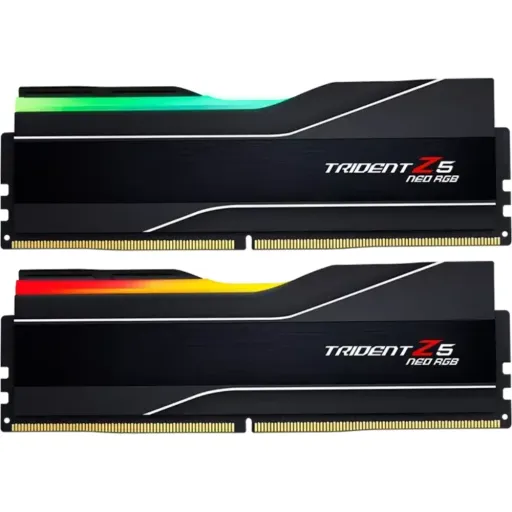
G.Skill Trident Z5 Neo RGB DDR5 64GB (2x32GB) 6000MHz

You Might Also Like
This G.Skill Trident Z5 Neo RGB DDR5 kit targets enthusiasts who want a premium, AMD friendly memory upgrade without messy tuning. The Trident Z5 Neo RGB family is designed for DDR5 enabled AMD platforms, aur yeh focus aapko stable daily performance ki side le jata hai. The 64GB capacity comes as a matched 2x32GB dual channel kit, so heavy multitasking smooth rehti hai and you avoid constant memory pressure. The DDR5 6000 rating gives your system higher memory throughput potential for modern workloads, especially jab aap games ke saath background apps bhi chala rahe hon. The lineup is built around AMD EXPO profile support, meaning BIOS se settings apply karna asaan hota hai on compatible hardware. The official series list shows 64GB (32GBx2) options and tested speed tiers including 6000 MT/s, so configuration choices clear rehti hain. The 64GB DDR5 6000 kit format is also reflected across major listings, reinforcing that this is a mainstream high performance variant for desktop platforms. The AMD EXPO ecosystem explicitly includes Trident Z5 Neo RGB among partners, which supports the idea that this series is meant to “just work” with Ryzen focused DDR5 tuning
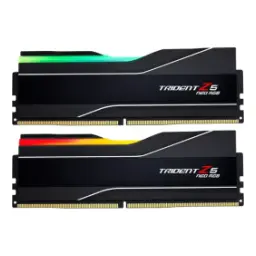
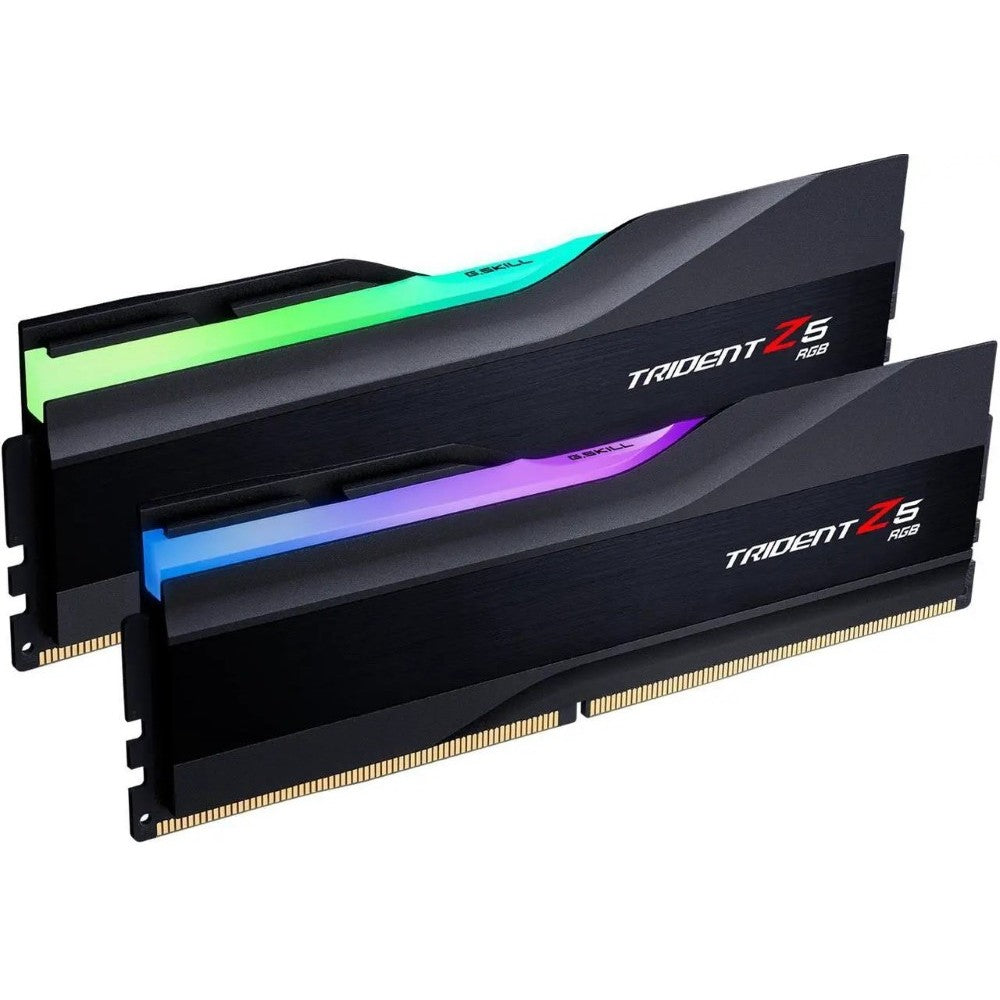
This dual textured streamline exterior is made to look premium even when your PC is off, aur RGB on ho to build aur bhi clean lagta hai. The design language uses a brushed aluminum inset with CNC highlight stripes, which gives a sharp, engineered feel without being flashy. The translucent top light bar is optimized for smooth RGB diffusion, so harsh hotspots kam hotay hain and patterns look more uniform. The overall silhouette stays sleek and low profile in a visual sense, meaning it complements both minimalist and “full RGB” setups, bilkul asaani se. The Trident Z5 family also describes a premium dual texture heatspreader approach with a brushed strip inset and a translucent RGB bar, which aligns with the same flagship styling direction. The purpose here is not decoration only, because a structured heatspreader design is part of how high performance kits present a “ready for stress” identity, kaam bhi ho aur look bhi strong ho. The RGB element is integrated rather than bolted on, so the top light line looks continuous across the modules in most builds. The end result is a memory kit that photographs well in tempered glass cases, aur real life mein bhi classy feel deta hai instead of looking like a toy
This DDR5 6000 speed tier is aimed at keeping your system responsive when tasks stack up, chahe aap gaming kar rahe hon ya editing. The 64GB (2x32GB) configuration at DDR5 6000 is a common high performance pairing for modern desktop boards, especially when you want dual channel bandwidth without compromising capacity. Higher effective memory data rates can help reduce “waiting moments” in real use, like big project loads, large asset imports, and heavy browser sessions where tabs bohat zyada ho jati hain. The key expectation should stay realistic though, because memory gains feel most obvious in minimums, background smoothness, and consistency, not just a single benchmark number. The rated overclock profile speed is typically achieved by enabling EXPO in BIOS, so out of box SPD behavior and “fully tuned” behavior can differ, jo new builders ko pehle din hi samajh aa jata hai. The G.SKILL specification notes that kits boot at SPD defaults before enabling XMP/EXPO, which is exactly why the BIOS profile step matters for reaching the advertised tier. The same spec reference shows a default DDR5 SPD speed (listed as 4800 MT/s on certain kits), which makes the “enable profile” step even more meaningful for performance consistency. The practical win is a system that stays snappy during heavy sessions, lag nahi hota, and the workflow feels more controlled
This kit’s AMD EXPO support is about turning complicated memory tuning into a simpler BIOS choice, taake aapko timings ki manual tension na ho. AMD describes EXPO as an easy path to DDR5 memory overclocking with Ryzen optimized profiles for socket AM5, which fits perfectly with how Trident Z5 Neo RGB is positioned. The main advantage is repeatability, because a validated profile gives you known settings instead of random trial and error, aur system stable rehne ke chances better hotay hain. The EXPO idea is also framed by other major memory brands as a quick method of enabling rated performance on compatible AMD platforms, which reinforces that the process is meant to be straightforward. The important detail is that enabling EXPO is still overclocking behavior, so compatibility and stability depend on your CPU memory controller and motherboard BIOS maturity, jahan QVL check karna smart move hota hai. AMD’s own EXPO page includes a clear note that overclocking outside published specifications can affect warranty coverage, so you should treat EXPO as an optional performance mode rather than a forced default. The Trident Z5 Neo RGB overview emphasizes EXPO as the way to unleash overclocked memory performance in BIOS, which matches the real world install flow builders follow. The best experience comes when you enable the profile, verify stability, and then enjoy the uplift, bilkul set and go wali feel
This 64GB capacity is built for users who do more than one thing at a time, aur jinke browser tabs, launchers, aur tools sab saath chalte hain. The kit is configured as 32GBx2 in a dual channel format, which is a clean balance of bandwidth and capacity for mainstream DDR5 desktops. The practical benefit shows up when you keep a game open while streaming, recording, and chatting, kyun ke background memory pressure kam hota hai. The same headroom helps creators who juggle timelines, large photo catalogs, or multiple Adobe style apps, jahan swapping to disk workflow ko slow kar deta hai. The 2x32GB approach also keeps upgrade planning simple, because you start strong and avoid the “I need more RAM again” cycle too soon. The 64GB DDR5 6000 kits are widely represented as dual channel matched sets, which supports the expectation of balanced performance across both sticks. The end goal is fewer stutters from memory limits, smoother app switching, aur rozana ke kaam mein overall calm feel. The capacity story is not about bragging rights, because it’s really about keeping your PC responsive under real load, in English terms: less compromise
This memory kit is positioned around consistent, validated performance rather than risky guessing, aur yahi cheez long term builds mein matter karti hai. G.SKILL states that Trident Z5 Neo RGB is created from high quality, hand screened DDR5 DRAM ICs for high overclocked memory performance on AMD DDR5 platforms. The same overview mentions rigorous validation testing for each kit, which supports the expectation of stable daily operation once you dial in settings. The G.SKILL specification notes explicitly warn against mixing memory kits, because matched kits are designed to run together and mixing can cause stability issues, bilkul real world headache wali situation. The same spec page calls out a limited lifetime warranty for the memory product, which is a meaningful confidence signal for a component you expect to keep for years. The stability first mindset is simple: run the kit as a kit, enable the right profile, and keep your system dependable, tension kam. The end result is fewer random crashes and fewer “why is my PC acting weird” days, which is a real quality of life upgrade in English
This RGB implementation is designed to look smooth and stay customizable, lekin smart control ka matlab software choice bhi smart honi chahiye. The Trident Z family describes customizable RGB through G.SKILL lighting control software or supported third party motherboard software, which is the intended way to keep effects consistent. The Trident Z5 Neo RGB product messaging also highlights third party sync support like ASUS Aura Sync, Gigabyte RGB Fusion, MSI Mystic Light, and ASRock Polychrome Sync, so you can match your whole build theme without manual tweaking. The practical tip is to avoid stacking multiple RGB suites at once, kyun ke driver conflicts kabhi kabhi lighting ko messy bana dete hain. G.SKILL’s Trident Z Lighting Control third party support thread explicitly notes that installing multiple lighting control programs together is not recommended, which supports a “pick one controller” approach. The official lighting control software guides also emphasize clean uninstall steps across vendors to prevent conflicts, which is useful if your build has multiple RGB ecosystems. The end experience should be simple: choose the control layer, set your look, and enjoy stable effects, bilkul plug and theme wali feel. The payoff is a build that looks premium on camera and stays consistent in daily use, ending in English
This RAM kit is built for desktop DDR5 platforms, so the first step is matching it with the right motherboard generation and BIOS readiness. The Trident Z5 Neo RGB series is listed under desktop memory (U DIMM/CU DIMM), which aligns with mainstream consumer boards rather than server class memory ecosystems. The G.SKILL spec format for these kits commonly shows Unbuffered and Non ECC, which is the expected profile for gaming and creator desktops, na ke enterprise servers. The same specification notes explain that kits boot at SPD speed before enabling XMP/EXPO, so a “first boot looks slower” moment is normal and not a defect. AMD also highlights an overclocked memory compatibility list concept tied to EXPO partnerships, which is a good reminder to check QVL or vendor lists for your exact board. The easiest stability path is updating BIOS, installing the sticks correctly in the recommended slots, and then enabling EXPO carefully, asaani se step by step. The goal is not maximum brag settings, because a stable 6000 class tune that survives long sessions is the real win. The end result is a build that boots reliably and performs consistently, in English terms: fewer surprises
This 64GB DDR5 6000 Trident Z5 Neo RGB configuration hits a practical sweet zone for people who want high end feel with everyday reliability. The AMD EXPO partner ecosystem explicitly lists Trident Z5 Neo RGB among supported memory partner products, which signals that the platform story is mature and widely adopted. The Trident Z5 Neo RGB overview positions the series for high overclocked DDR5 performance on AMD platforms with EXPO support, so your “tuning story” stays simple instead of experimental. The dual textured streamline design and smooth RGB light bar add a premium build identity, aur yeh cheez glass case builds mein instantly nazar aati hai. The 2x32GB layout gives you capacity that suits heavy modern usage, from creator apps to gaming + streaming stacks, jahan RAM ki kami instantly feel hoti hai. The 6000 MT/s tier is also clearly represented across 64GB kit listings, which supports the idea that this is a mainstream high performance target rather than a rare niche choice. The limited lifetime warranty and “do not mix kits” guidance reinforce that this is meant to be installed once and trusted, bilkul tension free ownership style. The best reason to choose it is simple: you get strong capacity, clean aesthetics, and AMD friendly tuning in one coherent kit. The closing takeaway stays practical in English, because good RAM should disappear into the background while your PC stays fast
Here's how current offers compare across retailers.
Review current prices and specifications side by side.