


Price Breakdown & Availability
Here's how current offers compare across retailers.
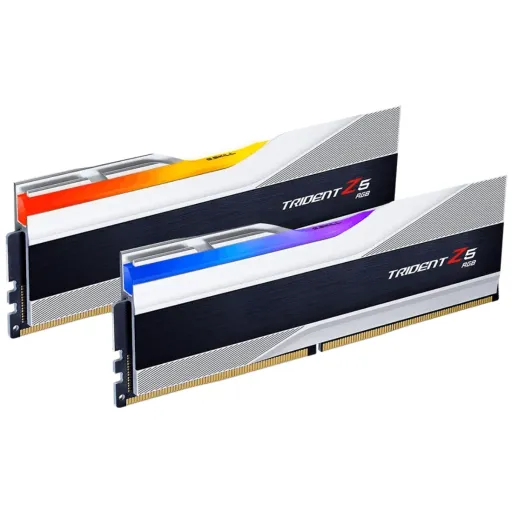
G.Skill Trident Z5 RGB DDR5 2x16GB 6400MHz
You Might Also Like
Built for modern DDR5 desktop platforms, the G.Skill Trident Z5 RGB series targets high frequency performance with a clean enthusiast identity. For gaming and creator rigs that multitask hard, yeh 32GB (2x16GB) kit daily workload ko comfortably spread karta hai instead of forcing constant closing and reopening. At the rated DDR5 6400 speed class, large assets stream faster and scene loads feel less “ruk ruk ke,” especially in memory sensitive apps. For mixed everyday use, DDR5’s architecture helps keep responsiveness steady when multiple tasks compete at once, rozana ke office aur gaming blend mein. Because DDR5 runs two independent 32 bit channels per module, parallel accesses can stay more efficient under real multitasking pressure. When streaming, voice chat, and a game run together, background switching smooth rehta hai and small stutters become less common. When the build needs both performance and presence, the Trident Z5 RGB design language fits clean themes without looking noisy. If the goal is a balanced upgrade that feels immediate, 32GB capacity plus high DDR5 frequency sits in a practical enthusiast lane for most users
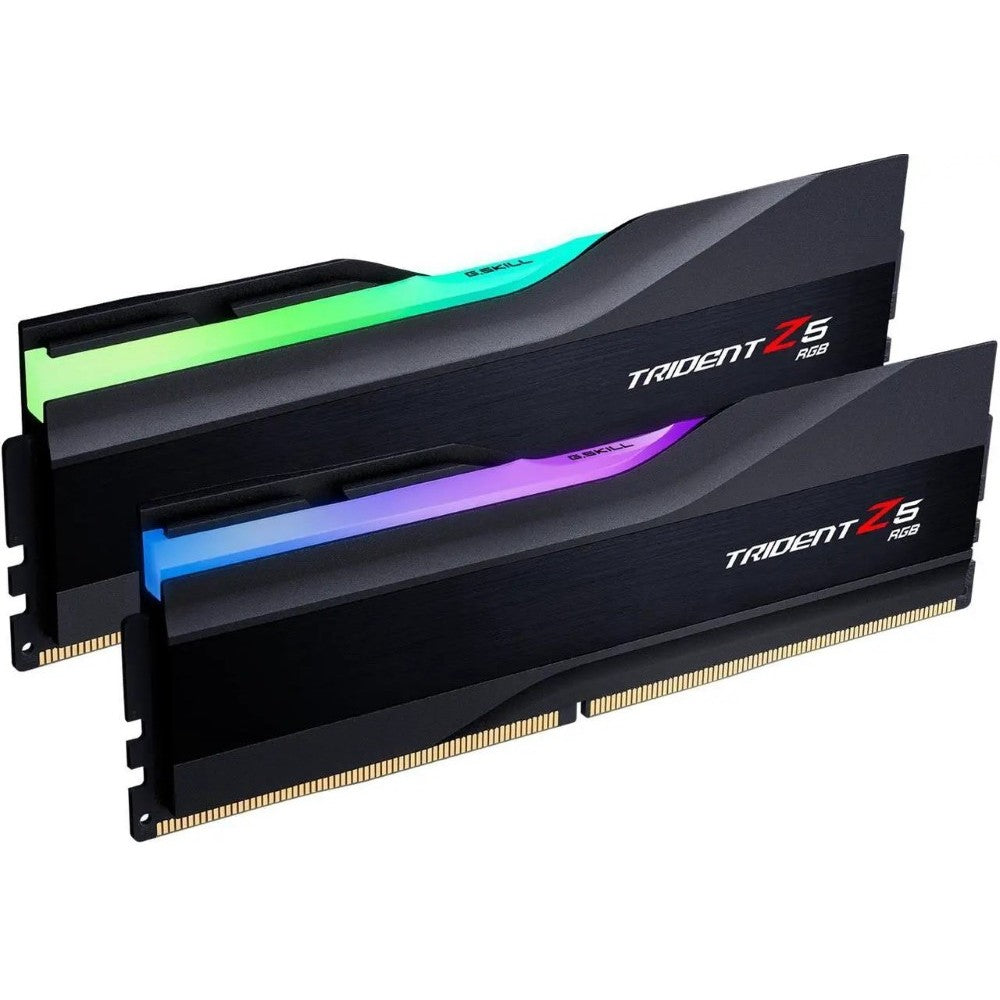
Designed for showcase builds and daily rigs, the Trident Z5 RGB uses a premium dual texture aluminum heatspreader with a hypercar inspired visual profile. Built around a streamlined top light bar, RGB diffusion looks more even so hotspots kam nazar aate hain in darker rooms. For quick personalization without extra hassle, lighting can be controlled through G.SKILL’s own lighting control software, asaani se profiles set ho jati hain. For motherboard first ecosystems, the kit supports syncing through major RGB suites so your RAM doesn’t feel “separate” from the rest of the rig. For ASUS builders using Aura Sync through Armoury Crate, coordinated lighting scenes can be managed in the same hub that handles other system controls. For GIGABYTE users chasing one click sync, RGB Fusion 2.0 is built to unify supported devices across the setup. For MSI builds that lean into synced ambience, Mystic Light focuses on centralized RGB control across compatible components, bilkul clean interface ke sath. For ASRock themes and synchronized patterns, Polychrome SYNC is positioned to link memory and other components into one effect layer
Rated at DDR5 6400 for this 2x16GB configuration, the kit targets high transfer speeds that help reduce “waiting moments” in memory aware workloads. Tuned for enthusiast Intel platform behavior, yeh kit Z series style boards par strong scaling de sakta hai when the IMC and BIOS are dialed in. For competitive gaming, higher bandwidth can support smoother frame delivery in certain engines, especially where 1% lows memory se sensitive hotay hain. For content creation and large file workflows, faster DDR5 behavior can help when timelines, caches, or compiles push sustained reads and writes. Because DDR5 improves channel efficiency and bandwidth over DDR4 at launch, everyday “system feel” can stay more responsive under load. When big browser sessions and creative apps overlap, background refresh lag nahi karta as aggressively, so focus stays on the task. For builders who care about measurable tuning, this specific class of Trident Z5 RGB kits is commonly discussed with XMP ready enthusiast positioning. If the rest of the PC is already strong, DDR5 6400 becomes a sensible lever to polish responsiveness instead of changing major components
Programmed for Intel XMP 3.0, this Trident Z5 RGB kit is designed so rated settings can be loaded quickly from BIOS. Built specifically for DDR5, Intel XMP 3.0 is positioned as the DDR5 era profile system rather than the older DDR4 focused approach. For builders who dislike manual timing spreadsheets, aap simply profile load karte ho and the memory jumps to its intended tuned state. For DDR5 specifically, Intel notes that XMP 3.0 can support multiple profiles including vendor and rewritable options, which helps advanced tweaking workflows. For a smoother first boot journey, the kit still boots at SPD defaults until XMP is enabled, so initial setup bilkul safe and predictable rehta hai. For clear expectations, Intel describes loading XMP as selecting predefined tested profiles via BIOS or a tuning utility, keeping the workflow straightforward. For stability minded users, enabling XMP is still an overclocking step and final results depend on CPU and motherboard capability, yeh baat mind mein rakhna smart hai. When the system is dialed in properly, XMP 3.0 makes “rated speed” feel like a repeatable setting rather than a weekend long experiment
Built around DDR5’s on module power approach, the platform shifts voltage regulation onto the module through a PMIC for improved control. Focused on high frequency stability, yeh on board PMIC granular power control provide karta hai so signal integrity stays cleaner at faster transfer rates. For enthusiasts pushing profiles and tightening behavior, better module level regulation can reduce noise and keep training more consistent in some builds. For everyday use that lasts hours, heat and voltage swings ko control karna matters because it protects stability during long gaming or render sessions. Because DDR5 also introduces a new SPD hub and updated module side management, the overall module design becomes more self contained than older generations. When workloads spike suddenly, PMIC driven delivery can help keep response stable, lag nahi aata itni jaldi in borderline scenarios. For buyers comparing DDR5 kits, PMIC presence is now part of the generation’s standard design shift, not a niche add on. If the goal is high speed DDR5 without drama, on module power management is one of the reasons DDR5 kits can target higher transfer rates more confidently
Built from hand screened DDR5 DRAM ICs, the Trident Z5 RGB line emphasizes binning quality to support high performance goals. Tuned for enthusiasts, yeh IC selection stable behavior ko prioritize karta hai so everyday apps don’t feel random under pressure. For long gaming nights, consistent memory behavior helps frametime spikes ko reduce feel karna, especially when the CPU is already working hard. For creators who export, compile, or batch process, stable RAM matters because one silent error can waste real time in production. Because the series is validated under G.SKILL’s testing process, compatibility and baseline stability are treated as part of the product promise. When the PC is used daily, performance bohat stable rehti hai and the system feels predictable instead of moody. For builders who like clean visuals, the aluminum heatspreader also keeps the module physically protected while maintaining a sleek, low clutter look. If reliability is part of the buying decision, limited lifetime warranty coverage is also stated for these G.SKILL memory products
Built as a 32GB kit with two 16GB modules, this configuration targets the mainstream sweet spot for modern gaming and productivity. Balanced for real multitasking, yeh capacity background apps ko room deti hai so switching feels smooth instead of “reload heavy.” For creators juggling browser research, Adobe style workflows, and uploads, extra headroom reduces cache pressure and keeps timelines responsive. For gamers who also keep Discord, recording, and tabs open, 32GB helps reduce memory contention, bilkul relaxed experience ke sath. Because DDR5 is engineered for enhanced multitasking responsiveness, the “many small things at once” use case becomes a strong everyday benefit. When the OS doesn’t need to shuffle data as aggressively, app launches feel snappier, rozana ke routine mein noticeable. For dual channel operation, two sticks are the common recommended approach, so 2x16GB aligns naturally with typical desktop memory controller behavior. If the system is being built to last a few years, 32GB is often positioned as a comfortable capacity baseline rather than an “upgrade next month” compromise
Built to run at SPD defaults first, the kit will boot at a standard speed until XMP is enabled in BIOS for the rated profile behavior. Listed by retailers with an SPD default of 4800MT/s and an XMP tested speed of 6400MT/s, this shows the normal DDR5 “set and tune” path clearly. For stability, yeh step by step approach safe hota hai because you can confirm baseline boot before pushing the tuned profile. Intel describes XMP loading as selecting predefined tested profiles via BIOS or a tuning utility, which keeps the process beginner friendly. For fewer surprises, checking your motherboard’s QVL or memory configurator is a smart move, kyunke compatibility board model se change ho sakti hai. For troubleshooting if training fails, BIOS updates often improve DDR5 memory behavior, so keeping firmware current is practical. For guidance on enabling XMP, Intel’s support documentation outlines using BIOS to load the profile and confirms that hardware compatibility matters. When the system is stable at XMP, day to day performance stays consistent, heat kam aur lag nahi kind of experience with less tinkering
Built for the enthusiast tier without turning impractical, the Trident Z5 RGB DDR5 6400 2x16GB kit balances frequency and capacity in one clean package. Positioned within the broader DDR5 shift, yeh upgrade higher bandwidth aur on module power management jaisi generation benefits ko unlock karta hai for modern platforms. For builders who want both performance and aesthetics, the RGB ecosystem support means lighting can stay unified across popular motherboard suites. For most real workloads, the value comes from fewer bottlenecks and smoother multitasking rather than chasing extreme capacity numbers, bilkul sensible approach. Because Intel XMP simplifies reaching rated settings, the experience feels more repeatable than manual tuning for many users. When the rest of the PC is already strong, DDR5 6400 can be that finishing piece that keeps the system feeling crisp for longer. For buyers comparing DDR4 and DDR5, mainstream coverage notes DDR5’s architectural upgrades like on module power and improved efficiency as key reasons the shift keeps accelerating. If the target is a refined, responsive build with synchronized lighting and high speed memory intent, this kit fits neatly into that “performance stable, look clean” category
Here's how current offers compare across retailers.
Review current prices and specifications side by side.