Price Breakdown & Availability
Here's how current offers compare across retailers.
You Might Also Like
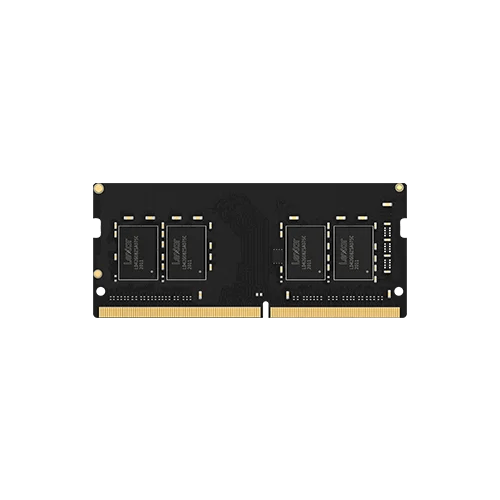
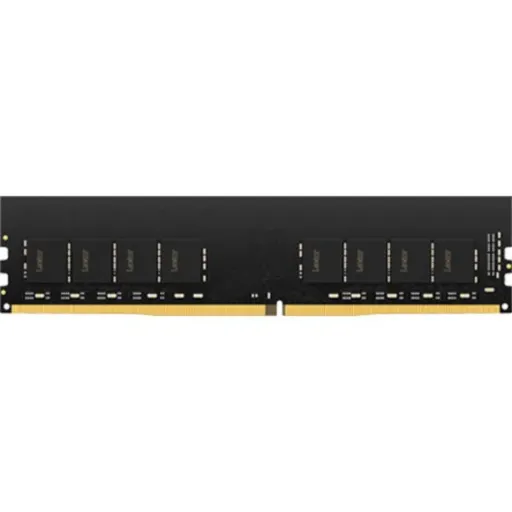
This Lexar DDR4 32GB module is built for straightforward desktop upgrades, jab aapko seedha stability aur capacity chahiye without drama. A single 1x32GB stick keeps the plan simple, so future expansion bhi asaan rehti hai while one slot stays open for later. The rated performance sits in the DDR4 3200 class (listed as 3200MHz), which fits modern daily workloads where responsiveness matters more than fancy tuning. The module uses a 288 Pin UDIMM interface designed for desktop systems, toh laptop ke SO DIMM slots wali confusion yahan pe nahi hoti. The JEDEC standard profile and CL22 latency focus on dependable behavior, meaning boot, login, aur app open cycles predictable feel hotay hain. The 1.2V operating voltage supports an efficiency first approach, heat kam rehti hai in most everyday builds with normal airflow. The product positioning stays practical with “simple installation” and “easy upgrade” messaging, so first time installers bhi asaani se swap kar lete hain. The reliability angle is backed by Lexar’s stated quality lab testing, which helps when you want stable multitasking instead of random hiccups
This DDR4 3200 speed tier targets the moment to moment feel of a PC, jab clicks ka response tight ho aur waiting kam ho. Lexar lists the module performance at 3200MHz, which aligns with mainstream DDR4 3200 expectations for desktop memory. The DDR4 standard includes DDR4 3200 (often referenced as PC4 25600), so the platform level ecosystem around this speed is mature and widely understood. Many vendors describe 3200 MT/s class bandwidth reaching up to 25.6GB/s, which helps explain why large file operations and heavy app data moves feel more fluid. Practical gains show up during app launches, browser tab recovery, and background sync activity, jahan small delays mil kar daily flow ko slow kar dete hain. The CL22 latency on this JEDEC rated module is tuned for stability first behavior, so the experience stays consistent rather than chasing peak numbers. When spreadsheets, uploads, or multiple windows run together, the system can keep pace with fewer slowdowns, bilkul wohi benefit jo aap rozana feel karte ho. The key advantage is balanced throughput, not “overclocking show,” which keeps troubleshooting minimal for home and office desktops. For builders who want smooth scrolling and snappy task switching, yeh speed class usually hits the sweet spot without extra configuration steps
This 32GB capacity is about breathing room, so the PC stays calm when your workload gets messy. Lexar explicitly lists 32GB as a supported capacity option for this DDR4 3200 UDIMM desktop line, making it a straightforward pick for high capacity single module upgrades. A single 1x32GB layout keeps installation simple, jahan aap sirf ek stick seat karte ho and you are done. Everyday multitasking benefits show up when many browser tabs, Teams/Zoom calls, and background utilities run together, kyun ke memory pressure kam hota hai and app reloads reduce. Creative workflows also feel smoother when large images, multiple layers, or big exports run in parallel, because the system relies less on slow storage swapping. The “continue multitasking without unnecessary slowdowns” positioning matches that real life pattern, especially for users upgrading older, smaller RAM configurations. The desktop focused UDIMM form factor keeps it aligned with common consumer motherboards, toh compatibility ka pehla filter clear ho jata hai quickly. With more memory available, background apps stay ready for faster switching, performance bohat stable feel hoti hai instead of constant refresh cycles. For many users, this is the upgrade that makes a PC feel “newer” without replacing the whole system, which is exactly the point of a clean RAM uplift
This module’s JEDEC standard profile is all about predictability, so the upgrade behaves like a quiet improvement rather than a project. Lexar lists the standard as JEDEC for its DDR4 3200 UDIMM desktop memory, meaning the focus stays on widely supported baseline settings. JEDEC is the standards body associated with DDR4 SDRAM definitions, so JEDEC aligned behavior generally points toward broad platform compatibility. That matters when you want stable boots, clean wake from sleep, aur rozana ki reliability without spending time in BIOS menus. The CL22 timing listed by Lexar fits the “standard spec” intent, where the goal is consistent operation across many systems. A JEDEC first approach is especially useful for office machines, family PCs, and productivity builds, jahan downtime bilkul afford nahi hota and troubleshooting is a headache. The desktop UDIMM targeting also helps keep expectations clear, because UDIMMs are the mainstream choice rather than server registered modules. Intel documentation distinguishes UDIMM behavior versus registered DIMMs in DDR4 ecosystems, reinforcing why buying the right “type” matters for compatibility. For many buyers, this is the simplest win: install, boot, and move on, bas kaam chalta rahe and performance stays steady
This 1.2V operating voltage supports efficient daily computing, so heat output and power draw stay more manageable in typical desktops. Lexar specifies 1.2V for its DDR4 3200 UDIMM desktop memory line, which anchors expectations for standard DDR4 operation. Some DDR4 module vendors explicitly highlight that 1.2V nominal operation can reduce electrical load compared to older DDR3 1.5V designs, which is one reason DDR4 is often considered a more efficient baseline. In real use, that efficiency translates into a calmer build, fan noise ka pressure kam, and fewer “why is this getting hot” moments during long sessions. The 3200 class also brings bandwidth headroom that helps modern multitasking feel smooth, lekin without needing high voltage performance profiles. When the memory subsystem runs efficiently, overall system stability improves, especially in compact cases where airflow limited hota hai and every watt matters. The JEDEC standard positioning keeps the experience set and forget, so you avoid the cycle of tuning, testing, and reverting settings. For productivity machines that stay on for hours, a low voltage DDR4 stick is a sensible foundation, kyun ke long run behavior predictable rehta hai and performance stays consistent. This is the kind of “quiet spec” that pays back daily, without demanding attention
This 288 pin UDIMM interface is the physical compatibility checkpoint, so you can confirm fit before thinking about anything else. Lexar lists the interface as 288 Pin UDIMM and the application as Desktop, which directly signals the intended platform. A distributor listing also repeats the memory layout as 1 x 32GB and the 288 pin DIMM form factor, which helps validate that this is the full size desktop module style. Intel documentation describes UDIMM versus registered DIMM behavior at a signaling level, which is why UDIMM modules are generally the expected choice for mainstream desktop boards. The practical takeaway is simple: laptop memory slots are different, toh “it looks similar” wali ghalat fahmi se bachna hota hai and you should match the slot type. Lexar even lists the module size, which matters if you have a tight cooler or a crowded build where clearance important hoti hai. Because this is a standard height UDIMM without an emphasized oversized heat spreader in the base DDR4 line, many builds remain clean and unobstructed. The result is lower risk buying: correct pins, correct platform, and a clear desktop focus, bas phir installation ka step easy ho jata hai
This memory upgrade focuses on reliability over flash, so daily performance stays dependable across normal workloads. Lexar states its products undergo extensive testing in Lexar Quality Labs to ensure performance, quality, compatibility, and reliability, which supports the idea of consistent operation. A reseller description repeats the “Lexar Quality Labs” testing claim and mentions facilities with more than 1,100 digital devices, reinforcing the brand’s validation narrative. Lexar also lists an operating temperature range of 20°C to 85°C (surface), which is relevant when PCs run in warm rooms or enclosed desks where air circulation limited hoti hai. The JEDEC standard approach supports predictable behavior across many systems, meaning random crashes aur boot loops ka risk generally lower hota hai than aggressively tuned profiles. Reliability also shows up in small moments: fewer app reloads, smoother long sessions, and stable multitasking when many things run together. The CL22 timing listed for this module fits a stability first tune, so performance remains steady rather than peaky. For home office and study setups, yeh woh upgrade hai jo quietly kaam karta rehta hai while you focus on tasks, not troubleshooting. That “set it and forget it” feel is often the best kind of performance
This 1x32GB configuration gives flexibility, so you can scale later without changing the whole plan. Product listings show the memory layout as 1 x 32GB and associate it with the Lexar DDR4 3200 UDIMM desktop module family, which confirms the single stick intent. For many desktops, starting with one module is a clean way to hit a high capacity target, phir baad mein matching stick add karke expand karna asaan hota hai when workloads grow. The installation experience is intentionally simple according to Lexar, so the upgrade can be done quickly without complicated steps. The 288 pin UDIMM form factor keeps the process familiar on desktop boards, where slots are clearly labeled and seating is straightforward. The practical guidance is to confirm motherboard support for DDR4 and the desired speed class, kyun ke har platform ki maximum supported settings different hoti hain and manual checks save time. DDR4 standards include DDR4 3200 as a recognized tier, which helps explain why many systems and builders plan around this baseline. With more memory headroom, multitasking becomes less stressful, and the PC feels smoother in real use, bilkul daily workflow mein. The upgrade path stays open, while the immediate benefit is clear and noticeable
This Lexar DDR4 3200 32GB UDIMM makes sense when you want a mature, dependable memory standard with simple compatibility logic. Lexar positions the product as an easy performance upgrade for multitasking and daily workloads, which aligns with what most desktop users actually need. The key specs stay grounded in mainstream stability: 3200MHz performance, JEDEC standard tuning, CL22 timings, and a 1.2V operating voltage. DDR4 3200 is also recognized within the broader DDR4 standard family, so ecosystem support feels settled rather than experimental. The 288 pin UDIMM design keeps it clearly in the desktop category, toh aapko server RDIMM confusion ya laptop module mismatch ka masla typically nahi hota. Lexar lists a limited lifetime warranty for this memory line, which supports long term ownership confidence in a day to day machine. When the goal is smoother multitasking, fewer slowdowns, and stable performance over long sessions, yeh single 32GB stick ek clean solution ban jata hai without extra tuning. The result is a desktop that feels more responsive now, and stays easy to expand later, which is exactly the kind of upgrade that holds value in real life
Here's how current offers compare across retailers.
Review current prices and specifications side by side.