
Price Breakdown & Availability
Here's how current offers compare across retailers.
You Might Also Like
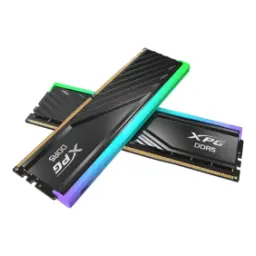
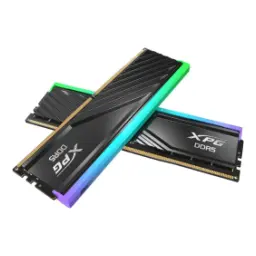
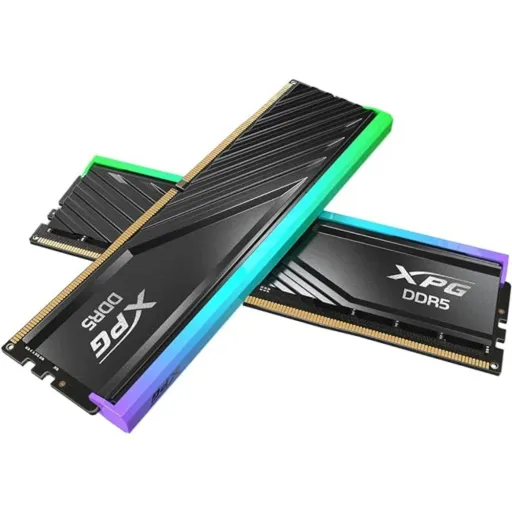
The XPG Lancer Blade RGB DDR5 lineup is designed for compact, clean PC builds, combining DDR5 efficiency with a sleek low profile silhouette. The low profile heatsink stays clearance friendly, tower cooler se takraata nahi, so installation feels stress free even in tighter layouts. The official spec page lists capacity options including 16GB, which keeps a balanced gaming and productivity system feeling responsive without going excessive. The rated speed conversation matters because DDR5 often boots at a base SPD speed, phir XMP/EXPO se actual marketed speed unlock hoti hai, so knowing the platform behavior prevents confusion. The Lancer Blade RGB spec table shows tested speeds like 5600, 6000, and 6400 MT/s, and it also shows an SPD speed of 4800 MT/s depending on SKU. The 5200MHz class is often chosen as a practical DDR5 entry point, performance stable rehti hai, because many real world builds sit comfortably in the 5000 6000 range. The overall upgrade intent is simple: more bandwidth headroom and smoother system feel, rozana ke use mein, while keeping the build looking minimal and modern
The top side RGB on this memory is built to be customized, so your PC can match a theme instead of looking random. The lighting control supports common effects like static, breathing, and comet, aur music mode bhi milta hai, which helps the build feel alive during gaming or streaming. The lighting can be managed through major motherboard RGB ecosystems, so you can keep one unified control path for fans, strips, and RAM. The XPG Prime option adds a brand native way to manage DRAM lighting, asaani se, and it’s positioned as a sync hub for compatible XPG parts. The Prime messaging is clear about synchronized lighting across compatible XPG peripherals, components, and memory modules, which supports a cohesive “one ecosystem” look. The practical tip is to avoid software conflicts, kyun ke multiple RGB apps ek saath chalain to glitches aa sakte hain, and XPG explicitly warns about closing other vendors’ lighting tools when using Prime. The real benefit is consistent aesthetics without extra hardware, so the RAM becomes a deliberate design element rather than an afterthought
DDR5 is fundamentally about higher bandwidth and a more modern memory architecture, which helps feed today’s CPUs more efficiently under mixed workloads. The practical effect shows up as smoother game asset streaming and faster multitasking, jab aap tabs aur apps switch karte ho, because bandwidth heavy moments get more breathing room. Many buyers intentionally shop the 5000 6000MT/s zone for gaming builds, and 5200MHz sits close to that “safe and solid” range for everyday performance. The key is setting expectations correctly because DDR5 kits typically run a stock speed out of the box, phir BIOS profile enable karne se rated behavior milta hai, so the “speed on the box” is often profile driven. The Lancer Blade RGB series is also positioned for overclocking convenience through standardized profiles, so you spend less time tuning and more time using the system. The end result is not just raw numbers, but a cleaner day to day experience, lag nahi, especially when the PC is doing several tasks at once
Intel XMP is the mainstream way to run RAM at its intended performance profile, and Intel notes XMP 3.0 is designed specifically for DDR5. Intel also highlights that XMP 3.0 can support up to five profiles, which gives more flexibility for tuned settings and everyday stability. AMD EXPO is the parallel “easy path” on Ryzen platforms, aur idea yehi hai ke BIOS mein profile select karo aur system turant optimized memory settings par chal jaye. The Lancer Blade RGB spec notes that DDR5 overclocking memory products rely on enabling XMP or EXPO in BIOS with a compatible motherboard and CPU to hit the advertised overclocked speeds. That matters for a 5200MHz shopping intent because it keeps expectations realistic, pehle boot SPD par ho sakta hai, then the correct profile brings you closer to the labeled target. The benefit is simple setup with less manual timing work, asaani se, while still allowing enthusiasts to fine tune later if they want to chase extra smoothness
The Lancer Blade RGB DDR5 is described as using a built in power management IC (PMIC), which is meant to stabilize power delivery for more consistent operation. DDR5 also shifts voltage regulation onto the module via the PMIC, aur is se signaling cleaner aur power regulation better ho sakti hai, which Crucial frames as improved efficiency and stability. Crucial also notes DDR5’s on module operating voltage is 1.1V compared to DDR4’s 1.2V, so the platform trend favors lower voltage behavior for comparable work. The official spec sheet shows an SPD operating voltage of 1.1V for this series, which aligns with that DDR5 efficiency story. The low profile physical design also helps airflow stay predictable, heat kam rehta hai, because you’re not crowding the CPU cooler area with overly tall RAM hardware. The listed dimensions are 133.35 x 40 x 7.86mm, which keeps the module height friendly for many compact and air cooled builds
The product description calls out on die ECC error correction, positioning it as real time correction for increased stability and reliability. On die ECC is valuable because it targets internal memory cell errors, choti choti mistakes ko silently handle karta hai, so day to day operation feels less fragile during long sessions. Micron explicitly describes on die ECC as correcting single bit errors and detecting multi bit errors, which supports the “reliability uplift” narrative behind DDR5 era modules. The important clarification is that on die ECC is not the same as true system level ECC memory, aur Crucial clearly warns ODECC should not be confused with module level ECC that requires additional components. That distinction keeps buying decisions honest, so you get practical stability benefits without expecting workstation grade error reporting. For gaming and creator PCs, this kind of quiet correction is a sensible middle ground, performance bohat stable lagti hai, especially when the system is running for hours
The Blade concept focuses on a compact low profile heatsink designed to fit smaller PC cases and avoid interfering with tower CPU coolers. That design choice matters when you want a large air cooler for quiet thermals, kyun ke RAM clearance issues build ko headache bana dete hain, and a shorter module keeps the build straightforward. The official specification lists the height at 7.86mm within the 133.35 x 40 x 7.86mm dimensions, which supports the idea of a slimmer profile for tight layouts. The form factor is U DIMM, so it targets mainstream desktop motherboards rather than niche server modules. The build quality positioning is also explicit, with XPG describing high quality ICs and PCBs for reliable overclocking behavior. The practical payoff is stable performance with fewer physical compromises, asaani se, so you can focus on airflow planning and cable management instead of working around tall RAM
The 16GB option is widely considered sufficient for gaming and general creation, and GamesRadar specifically notes 16GB of DDR5 is still generally enough for gaming and content creation. That means a 16GB build can feel snappy for esports, browsing, and streaming, rozana ke use mein, without forcing you into a bigger kit immediately. The Lancer Blade RGB spec page lists capacities from 8GB through 32GB, so the platform supports a clean upgrade path if your workload grows. The best experience usually comes from matching sticks for dual channel operation, aur agar later add karna ho to same capacity aur similar timings choose karna smart hota hai, because consistency keeps tuning simpler. The spec page also reminds users to enable XMP or EXPO with compatible hardware to reach advertised overclocked speeds, which keeps a 5200MHz shopping goal aligned with real BIOS behavior. The biggest win is controlled scalability, so you can start balanced and expand later, multitasking asaan rehta hai, without rebuilding the whole system
The strongest reason to choose Lancer Blade RGB is balanced practicality: DDR5 platform improvements plus a compact heatsink that plays well with real world cooling. The DDR5 direction also brings on module power regulation and lower operating voltage trends, aur Crucial frames this as improved efficiency and stability through the PMIC shift. The aesthetic side stays controlled because XPG Prime is built for synchronized lighting across compatible XPG components, so the RGB looks intentional rather than messy. The product page also cautions about avoiding RGB software conflicts, jo practical baat hai, because running multiple lighting tools can cause inconsistent lighting control. The final decision becomes simple: pick this when you want clean clearance, stable DDR5 behavior, and a refined RGB layer, bilkul, without building around tall memory sticks. The outcome is a build that feels modern in daily use and looks cohesive under glass, while keeping the setup process straightforward
Here's how current offers compare across retailers.