

Price Breakdown & Availability
Here's how current offers compare across retailers.
You Might Also Like
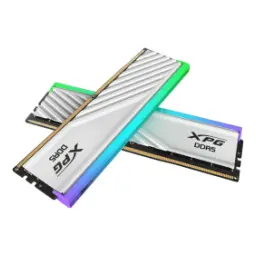
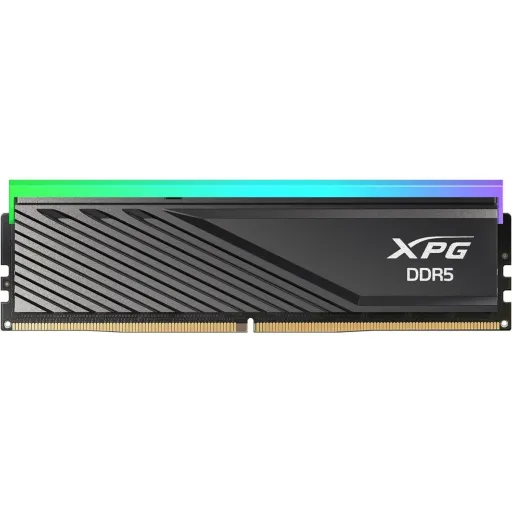
This XPG Lancer Blade RGB DDR5 kit targets modern builds where clean aesthetics and consistent performance matter, aur daily use mein jo smoothness chahiye woh deliver hoti hai. This is a DDR5 U DIMM series designed for desktop platforms, so installation stays straightforward on supported motherboards. This 2x8GB configuration totals 16GB capacity, which fits the sweet spot for gaming plus multitasking without going overboard, bilkul practical choice. This lineup includes tested speeds that cover 5600MT/s options, letting the kit sit in that efficient DDR5 performance band many builders aim for. This design language also keeps the look modern and minimal, aur RGB ka glow case ke theme ke saath easily match ho jata hai. This memory family focuses on a low profile approach with a compact heatsink, so the build looks neat even with larger coolers nearby. This combination helps a setup feel “finished” because performance, fitment, and lighting align instead of fighting each other, asaani se
This low profile heatsink design is built for compatibility first, especially when tower coolers and tight cases make clearance a real headache, aur phir RAM swap karna mushkil ho jata hai. This series is explicitly positioned to avoid interfering with tower CPU coolers, which reduces build friction during installation and future upgrades. This practical fitment matters because a clean airflow path and easy access to slots keep maintenance simple over time, bilkul tension free. This module sizing is listed at 133.35 x 40 x 7.86mm, so it stays compact while still looking premium behind tempered glass. This physical profile is especially helpful in small to mid towers where top mounted radiators or chunky air coolers can crowd the RAM area, aur wiring bhi tight ho jati hai. This stability focused build is rated for 0°C to 85°C operating temperature, supporting long sessions where ambient heat can build up. This is the kind of practical design decision that keeps a PC feeling “easy” to live with, because nothing feels cramped. This sleek geometry also adds versatility for different themes, so the memory looks intentional rather than flashy for no reason
This 5600MT/s class memory is built to improve bandwidth where modern CPUs and games actually benefit, aur frame pacing zyada stable feel hoti hai. This product family lists 5600MT/s among its tested speeds, placing it firmly in the DDR5 mainstream performance lane. This speed tier is often marketed as 5600MHz in stores, but the effective data rate is typically referenced as MT/s for DDR5 kits. This matters in real usage because smoother asset streaming, faster level loads, and cleaner multitasking depend on both CPU strength and memory throughput, rozana ke gaming sessions mein bhi. This kit also includes defined SPD behavior, with SPD speed listed at 4800MT/s and a 5600MT/s SKU noted for SPD in the same family. This gives a more predictable baseline for first boot, while still leaving room for profile based tuning when the platform supports it. This balance is ideal for builders who want visible improvement without chasing extreme overclock targets, kyun ke stability bhi important hoti hai. This bandwidth oriented step up can make heavy browser tab loads, creative timelines, and background apps feel less “stuttery” in day to day use
This memory family supports Intel XMP 3.0 and AMD EXPO, which makes performance setup feel less like trial and error and more like a clean switch, bilkul asaan. This product page states that DDR5 series overclocking memory products are equipped with Intel XMP 3.0 and AMD EXPO, and that users can run advertised overclocked speeds by enabling XMP or EXPO in BIOS with compatible hardware. This kind of profile approach matters because it reduces the time spent dialing timings manually, so the build reaches “done” status faster. This Intel guidance describes XMP as predefined and tested profiles loaded via BIOS or tuning tools, which aligns with the plug in and enable workflow many gamers prefer. This Intel support note also clarifies that XMP 3.0 is exclusive to DDR5 modules, which is exactly the generation this kit belongs to. This AMD EXPO overview explains EXPO as user friendly DDR5 memory overclocking profiles developed for AMD Ryzen processors on Socket AM5, giving a clear path to tuned memory performance. This means both platform camps can aim for the rated experience with minimal fuss, aur BIOS mein bas profile select karke kaam ho jata hai
This DDR5 kit includes a built in Power Management IC, which helps stabilize power delivery on the module itself, aur random instability ka risk kam hota hai. This product description explicitly notes a built in PMIC designed to enhance power supply stability and mentions DDR5’s lower operating voltage contributing to better efficiency versus DDR4. This matters during long gaming or creator sessions because voltage cleanliness helps reduce edge case crashes when the system is under mixed loads, bilkul especially when many apps run together. This Crucial DDR5 overview explains that DDR5 introduces on module voltage regulation with a PMIC, shifting regulation from the motherboard to the module for improved efficiency and stability. This kit’s operating voltage range is listed as 1.1 1.4V for tested operating voltage, giving practical flexibility across profiles and tuning levels. This can feel like a “quiet” upgrade because stability improvements rarely show as a single benchmark spike, but the PC simply behaves better over time. This is especially valuable for streamers and multitaskers where background tasks can stack up, aur phir system ko stable rehna hota hai. This overall power design supports that calm, reliable performance profile in the modern DDR5 ecosystem
This memory family includes on die ECC functionality to correct certain internal bit errors, which supports reliability without changing the everyday user workflow, aur long sessions mein comfort milta hai. This XPG description states that on die ECC can correct errors in real time to provide increased stability and reliability for the module. This Kingston DDR5 overview explains on die ECC as a feature designed to correct bit errors within the DRAM chip, while also clarifying it cannot correct errors that occur outside of the chip or on the bus. This distinction is important because it sets the right expectation, so marketing buzzwords don’t turn into disappointment later, bilkul clear understanding. This reliability layer is especially relevant as DRAM densities rise and systems stay powered for longer periods, like overnight renders or extended gaming marathons. This kit keeps the approach mainstream and user friendly, because no special operating system steps are required for on die ECC behavior in typical consumer use. This kind of stability support helps a PC feel more “set and forget,” which is ideal when the goal is to build once and enjoy. This feature also complements the PMIC based power stability, making the overall DDR5 experience more refined, heat kam aur stress kam
This RGB implementation is meant to be controllable rather than chaotic, so the lighting can match a clean build or a bold theme, aur dono cases mein classy lagti hai. This product page mentions multiple lighting effects and control through major motherboard RGB software, keeping compatibility broad for typical gaming builds. This same page also highlights XPG Prime lighting control, positioning it as a way to set unique DRAM lighting effects and sync Prime supported XPG RGB products into one ecosystem. This XPG Prime site describes synchronized lighting across compatible XPG peripherals, components, and memory modules, which helps unify the setup without juggling too many apps. This is valuable because RGB should be a finishing touch, not a troubleshooting project, bilkul warna conflicts aur glitches start ho jate hain. This product page also warns that conflicts may occur when Prime is used alongside other motherboard lighting software, which is a practical note for clean system management. This means a single control approach can keep the build feeling organized and consistent. This lighting flexibility also supports different moods, from soft ambient glow to brighter “showcase” patterns, while the core performance stays the priority
This 2x8GB kit gives 16GB total capacity, which is a strong baseline for modern Windows gaming, study workflows, and creator side multitasking, aur background apps bhi aram se chalti hain. This family lists supported capacities including 16GB, confirming that the platform is designed to serve this practical tier. This dual module approach helps most mainstream platforms run in dual channel configurations, which can improve responsiveness in bandwidth sensitive moments like scene loads and heavy tab switching. This kit is also specified as DDR5 and U DIMM, aligning with typical desktop motherboards rather than laptop SODIMM slots. This matters for buyers who want simple compatibility checks, because the form factor is standard for most DDR5 desktop boards. This Kingston DDR5 overview explains DDR5’s structure with two 32 bit addressable channels, which supports improved performance behavior versus older designs in many access patterns. This can translate into smoother “feel” during everyday multitasking, bilkul especially when streaming, chatting, and gaming run together. This capacity choice also keeps the build flexible for future expansion, because the experience stays usable today without blocking later upgrades
This XPG Lancer Blade RGB DDR5 5600MT/s kit sits in a competitive DDR5 performance tier, offering a balanced mix of speed, stability features, and clean RGB without pushing into niche extremes, aur isi liye value feel hoti hai. This product family lists 5600MT/s in its tested speeds, giving confidence that this frequency is a core part of the lineup’s validation path. This same spec page includes limited lifetime warranty for the series, which supports longer ownership cycles and reduces replacement anxiety. This is also a practical choice for builders who want an easy setup route through XMP 3.0 or EXPO profiles rather than manual tuning, so time goes into gaming and work instead of BIOS experimentation. This kit’s PMIC based power approach and on die ECC support aim at stable real world behavior, which matters more than headline numbers during long sessions. This low profile heatsink focus also helps builds stay tidy and compatible with bigger coolers, bilkul especially in compact cases. This overall package fits buyers who want a dependable DDR5 foundation that looks premium, runs stable, and stays easy to manage over time
Here's how current offers compare across retailers.