


Price Breakdown & Availability
Here's how current offers compare across retailers.
You Might Also Like
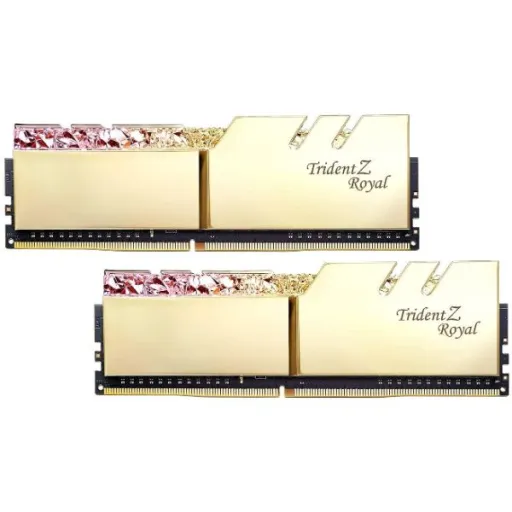
For builders chasing a premium DDR4 centerpiece, the G.SKILL Trident Z Royal series is designed to look as special as it performs. For everyday gaming and creator workloads, this 16GB matched kit (2 x 8GB) hits the practical sweet spot, rozana ke apps aur tabs comfortably manage ho jate hain. For smooth desktop responsiveness and stable frame pacing, the rated DDR4 3600 speed gives your platform more bandwidth headroom where it matters. For users who care about reliability basics, the kit is listed as Non ECC and non registered, yani workstation ECC wali category ka target nahi. For Intel tuned convenience and quick setup, the memory profile support is built around Intel XMP so you can apply tested settings faster. For clean compatibility with mainstream desktops, the modules use the standard 288 pin DIMM layout that most DDR4 boards expect. For people upgrading from older, slower RAM, the first day feel is usually snappier app switching, aur overall system response zyada tight lagta hai. For a build that’s meant to be photographed, streamed, or displayed, the Royal theme adds that polished, high end visual identity without needing extra accessories. For a balanced performance meets style decision, this kit fits the “high performance DDR4” lane while staying practical in capacity and setup
For RGB builds that need a signature look, Trident Z Royal is known for a crown jewel design language that stands out inside tempered glass. For anyone who wants refined shine instead of flat plastic, the modules pair RGB illumination with an aluminum heat spreader, aur finish overall premium lagti hai. For smoother gradients and less harsh hotspots, G.SKILL introduced a full length crystalline light bar concept on this family. For detail focused builders who notice small things, the lighting is described as multi zone control, meaning effects can feel layered, bilkul uniform aur classy. For a consistent theme across the case, the Royal line is associated with gold or silver style heat spreader finishes in the product’s visual identity. For people matching motherboard and GPU lighting, third‑party sync ecosystems are commonly part of the setup story, so planning your RGB software early keeps things smooth. For clean builds that avoid visual clutter, the Royal design makes RAM look like a feature, not just a component. For long sessions where your PC stays on display, the controlled diffusion helps the glow feel smooth rather than overly sharp. For a build that aims to look premium day and night, this styling keeps the system visually “finished,” aur setup ka overall vibe elevate hota hai
For modern gaming and multitasking loads, DDR4 3600 is a strong performance tier that brings higher throughput than mainstream baseline speeds. For people who like clear labeling, the kit is also shown as PC4 28800, which connects the speed rating to bandwidth expectations. For smoother minimum FPS in many setups, running two sticks in dual channel lets the memory controller access modules in parallel, aur bandwidth ka bottleneck kam hota hai. For integrated graphics or bandwidth hungry tasks, dual channel can be especially important because the iGPU shares system RAM, is liye pairing ka faida real world mein nazar aata hai. For competitive titles and fast UI work, the result is often cleaner frame pacing and quicker asset access when the platform isn’t starved. For creators scrubbing timelines or running many browser tabs, the speed and channel combo helps keep the system feeling responsive under load. For builders who want matched behavior, using a paired kit is the recommended approach because it aligns capacity and specs, bilkul stable dual channel ke liye. For daily users who hate micro stutter, higher bandwidth can reduce the feeling of “system hesitation” during background activity. For a 2x8GB layout specifically, you get both capacity and channel benefits without occupying every slot, which keeps future upgrades simple
For quick performance enablement in BIOS, this kit is listed with Intel XMP support so you can load predefined settings instead of guessing values. For DDR4 specifically on modern platforms, Intel notes that XMP 2.0 is the relevant version for DDR4 memory modules. For new builders who want simple steps, Intel describes loading predefined and tested XMP profiles through BIOS or tuning utilities, asaani se one setting aur done. For stability first users, it helps to remember that XMP is still a form of memory overclocking, so it can change frequency and voltage beyond default JEDEC behavior. For warranty aware buyers, Intel explicitly warns that altering frequency and/or voltage outside Intel specifications (including enabling XMP) may void the processor warranty, is liye decision consciously lo. For troubleshooting that avoids wasted time, Intel recommends checking motherboard compatibility and using vendor guidance for the exact BIOS menu location. For practical day to day use, many users keep one stable XMP profile for gaming and return to defaults only when diagnosing issues. For smoother first boot experiences, Intel notes that XMP memory modules typically boot at default JEDEC settings first, then you apply XMP afterward. For performance tuning without deep tweaking, the XMP approach keeps the experience refined, aur manual timings mein ghusna zaroori nahi hota. For a 3600MHz kit like this, enabling the intended profile is usually the difference between “installed” and “fully utilized” performance
For mainstream Windows gaming and productivity, a 16GB total capacity remains a balanced baseline that avoids constant background pressure. For mixed use days with many browser tabs, 2x8GB helps keep your workflow stable, aur alt‑tab karte hue system zyada composed rehta hai. For users who care about performance consistency, a matched pair is the cleanest way to benefit from dual channel behavior on typical desktops. For streaming plus gaming scenarios, the 16GB pool reduces the chance of sudden slowdowns when multiple apps compete for memory space. For creators working in lighter editing or design tasks, this capacity is often enough to keep timelines and apps active without aggressive swapping, bilkul practical level. For builders planning future upgrades, leaving two DIMM slots free can be a smart strategy compared to filling four slots immediately. For people who want tidy compatibility, the kit’s dual channel positioning is clearly stated as a 16GB (2 x 8GB) set with two modules. For gaming PCs with integrated graphics, the dual channel layout can matter more than people expect, kyun ke iGPU ka performance memory bandwidth par depend karta hai. For buyers who want “set and forget” everyday comfort, this capacity feels easy to live with while keeping the build clean and upgradeable
For high performance DDR4 kits, the rated 1.35V operating voltage is a common approach to support faster XMP settings. For users who want stability without deep tuning, Intel explains that XMP profiles can adjust frequency, timings, and voltage together for a tested configuration, is se random instability ka risk kam hota hai. For long gaming sessions and heavy multitasking, the goal is sustained responsiveness, aur performance bohat stable feel hoti hai when the memory isn’t under volted. For system builders who care about thermals, the kit is specified with an aluminum heat spreader which helps manage heat in a practical, passive way. For quieter builds with controlled airflow, passive heat spreaders avoid extra noise while keeping temperatures sensible. For anyone optimizing fan curves, stable memory behavior can reduce the need for aggressive case airflow, heat kam aur system calmer. For troubleshooting that feels straightforward, reverting from XMP to default settings is a common diagnostic step when a system behaves oddly. For balanced builds that prioritize both looks and function, the voltage and heatspreader pairing lets the kit deliver performance without making the PC harder to live with. For practical buyers who dislike surprises, the 1.35V rating is clearly stated, so you know what profile class you are stepping into
For standard desktop motherboards, the modules use a 288 pin DIMM format that matches common DDR4 slots. For buyers comparing workstation memory types, the kit is listed as Non ECC and non registered, yani server style registered/ECC wali requirements yahan focus nahi. For clarity on terminology, UDIMM is unregistered (unbuffered) while RDIMM is registered, so “non registered” effectively points to the unbuffered class. For gaming PCs and everyday productivity, unbuffered non ECC memory is the normal mainstream choice, bilkul typical consumer platform fit. For clean installs without complication, a two module kit keeps slot population simple and helps you follow the motherboard’s dual channel slot guidance. For builders who care about physical presentation, the aluminum heat spreader adds both cooling utility and that premium “finished” look. For users expecting a “kit experience,” the package is described as two desktop memory modules, so matching behavior is built into the purchase. For long term peace of mind considerations, the listing also notes a limited lifetime warranty for the product class. For a build that stays tidy and reliable, these fundamentals keep compatibility straightforward while the Royal styling stays the visual highlight
For RGB heavy builds with multiple brands, G.SKILL notes that installing multiple lighting suites together is often not recommended because conflicts can happen. For users who want unified effects, the official guidance lists common ecosystems like ASUS Aura Sync, MSI Mystic Light, Gigabyte RGB Fusion, and ASRock Polychrome as third party software targets. For smoother troubleshooting when detection fails, G.SKILL recommends steps like updating BIOS and checking software versions, jo aksar issue ko quickly resolve kar dete hain. For builders who like staying organized, using one primary control path reduces “RAM stuck on rainbow” type scenarios and keeps the experience clean. For a premium kit like Trident Z Royal, the lighting presentation matters because the design centers on a full length crystalline light bar and multi zone behavior. For clean color transitions across the build, choosing one ecosystem early helps keep effects consistent, aur syncing mein headache kam hota hai. For users who prefer simple customization, G.SKILL’s own lighting control path can be the “single source of truth” when third party apps fight. For practical daily use, the goal is stable performance plus predictable lighting, so your PC looks intentional every time it boots. For buyers who want both wow factor and manageability, a disciplined RGB software setup keeps the Royal concept feeling truly premium
For enthusiasts staying on DDR4 platforms, the Trident Z Royal lineup is positioned as a high end series with tested speeds reaching DDR4 3600 and beyond. For this specific 3600MHz 16GB (2 x 8GB) configuration, the spec balance targets both everyday smoothness and gaming stability, rozana ka use tension free rehta hai. For buyers who value convenience, Intel XMP support means you can apply a tested profile instead of tuning every parameter manually. For people prioritizing bandwidth, a dual channel matched kit is the recommended route because it lets the CPU access memory modules in parallel. For aesthetic focused builds, the Royal concept adds a crown jewel look with a crystalline light bar style that is meant to be seen. For builders who want polished hardware without gimmicks, the aluminum heat spreader provides both visual structure and practical cooling. For compatibility minded shoppers, the non ECC, non registered (unbuffered) UDIMM class is the mainstream desktop target. For shoppers comparing options in the premium DDR4 space, this kit makes the most sense when you want 3600MHz class performance plus standout visuals in one clean purchase. For a final decision that feels confident, the Trident Z Royal DDR4 2x8GB 3600MHz kit delivers a stable, stylish dual channel foundation without turning your build into a constant tuning project
Here's how current offers compare across retailers.