






Price Breakdown & Availability
Here's how current offers compare across retailers.
You Might Also Like
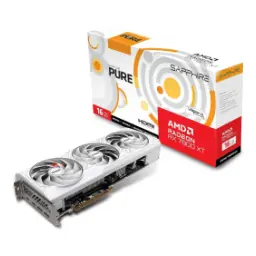
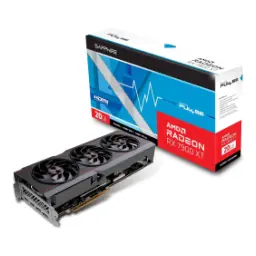
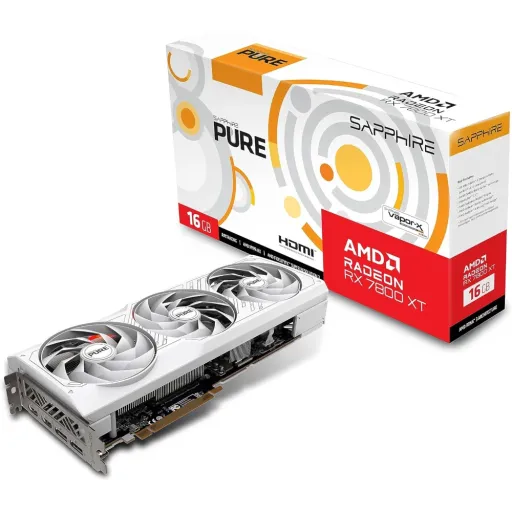
This Sapphire Radeon RX 7800 XT PURE is designed for gamers who want a performance first card that also looks refined, build ko classy feel deta hai. The core platform is AMD RDNA 3 architecture, so you get modern features and efficient compute behavior without stepping into an extreme niche. The GPU configuration lands at 3840 stream processors with 60 compute units, which translates into strong raster strength for today’s engines, rozana gaming mein very stable. The memory setup stays future minded with 16GB GDDR6 on a 256 bit bus, so large assets and high res textures don’t instantly push you into compromises. The PURE factory clocks are rated up to 2169 MHz game clock and up to 2475 MHz boost, giving you the headroom you feel in heavier scenes without constant tweaking. The same clocks are also reflected in third party spec databases, which helps buyers confirm the positioning before they commit. The product is explicitly positioned as a 4K “Game Index” class card, meaning it’s built to stretch beyond 1440p when settings are balanced, asaani se. The overall vibe is simple: flagship tier smoothness for real players, lekin packaging aur presentation more tasteful and less flashy
This graphics card supports up to four displays, so multi monitor productivity and gaming setups stay straightforward, workspace bhi set rehta hai. The output layout includes 2x HDMI and 2x DisplayPort, which is a practical mix for modern monitors and living room TVs alike. The maximum listed resolution reaches 7680×4320 over both HDMI and DisplayPort 2.1, so high resolution panels and capture workflows don’t feel boxed in. AMD also frames the RX 7800 XT class around its Radiance Display Engine, highlighting DisplayPort 2.1 and HDMI 2.1a support for ultra high resolutions and high refresh gaming workloads. When you pair that output flexibility with a VRR display, motion feels calmer because tearing and stutter artifacts drop sharply, bilkul noticeable in fast camera pans. AMD FreeSync is built around industry standard variable refresh protocols, so you can usually get the benefit across a wide ecosystem without proprietary hardware modules. For competitive titles, that smoother delivery means fewer visual distractions while tracking targets, aur aim corrections zyada natural lagti hain. For story games, it simply makes animation cadence look cleaner, especially when frame rates vary, and the experience stays premium in motion
This RX 7800 XT platform is based on Navi 32, giving you a modern RDNA 3 foundation that’s tuned for current APIs and game engines, long term ke liye. The PURE edition keeps the full 60 compute units active, which is why the shader count sits at 3840 stream processors for consistent throughput in demanding scenes. AMD describes RDNA 3 compute units as redesigned with unified raytracing and AI accelerators, so you’re not buying “just FPS” but a broader modern feature set. The card also includes 60 ray accelerators, which matters when you want lighting upgrades without tanking your whole frame time budget, thori smart tuning ke saath. Tech reviewers note that Navi 32 follows AMD’s chiplet approach, separating compute from memory/cache dies, which is part of how RDNA 3 targets efficiency and scalability. In real play, that design intent shows up as strong raster performance with modern extras on tap, meaning you can choose where to spend GPU budget. For high refresh 1440p, this is the kind of GPU where frame pacing can stay composed, aur micro stutter ki tension kam hoti hai. For creators who also game, the same compute stack helps acceleration tools feel more responsive under mixed workloads, while keeping the overall setup simple
This Sapphire RX 7800 XT PURE ships with 16GB of GDDR6 memory, which is the kind of capacity that supports high quality textures and bigger game installs, rozana ke use mein. The memory runs on a 256 bit bus and is rated at 19.5 Gbps effective, so bandwidth isn’t the hidden limiter when you push resolution or texture detail. Review level spec breakdowns commonly translate that configuration into roughly 624 GB/s of memory bandwidth, which helps keep large assets moving smoothly through the pipeline. The card also includes 64MB Infinity Cache, adding another layer of efficiency so the GPU can reuse data closer to the cores, load ko smartly handle karta hai. Mainstream reviewers highlight that 16GB is “plenty of VRAM” for 1440p and beyond, which aligns with why this class feels comfortable over a longer upgrade cycle. In practice, this memory headroom improves the everyday feel because hitching from VRAM pressure becomes less common, especially in open world titles. When you jump between a game, a browser, and a Discord stream, the GPU side stays relaxed, multitasking bhi asaan rehti hai. The benefit is not just numbers, it’s confidence: you can keep settings high where it matters and only tune down what you actually notice on screen. That is what makes the RX 7800 XT 16GB class feel “settled” for modern gaming
This PURE edition uses a triple fan cooler, and that immediately supports better sustained behavior during long sessions, heat control zyada predictable ho jata hai. Sapphire lists Tri X Cooling Technology plus Intelligent Fan Control and Precision Fan Control, which are the kinds of features that matter when you want smooth performance rather than random ramping. The fan hardware is specified as two ball bearing fans, a practical durability choice for people who game daily and don’t want early fan wear. The card’s form factor is listed as a 2.5 slot ATX design with 320mm length, so you can plan your case fit properly and avoid last minute surprises. The boost behavior is rated up to 2475 MHz, and cooler capacity plays a direct role in how confidently a GPU can chase that ceiling under real loads. For the buyer, this translates into a calmer experience: the card can stay performant without sounding stressed, aur room mein noise level manageable rehta hai. If you prefer undervolt tuning, a capable cooler also makes that workflow easier because temps respond quickly to small changes. If you prefer stock, the same cooling headroom keeps frame time consistency tighter, which feels better than chasing peak FPS numbers. Ultimately, good cooling is not “extra,” it is what protects the smoothness you paid for
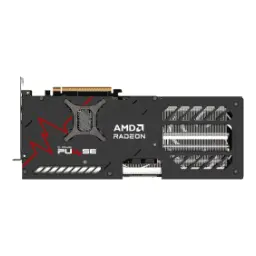
This Sapphire RX 7800 XT PURE is rated at 270W Total Board Power, so your PSU planning should be intentional from day one, setup ko stable rakhna hota hai. Sapphire specifies two 8 pin power connectors and a minimum 700W power supply recommendation, which helps most builders avoid undervoltage issues during heavy loads. AMD’s reference spec for the RX 7800 XT lists a 263W TBP, so the PURE model’s 270W rating sits in the expected partner card range for a bit more board headroom. The board level feature list includes Premium Digital Power Design and Fuse Protection, which are the small details that can add peace of mind for long term reliability. The build also includes a metal backplate, helping the card feel more rigid in the slot when mounted horizontally. The included graphics card supporter is a practical touch for a 320mm, 2.5 slot design, sag tension ko reduce karta hai. In day to day use, clean power delivery supports stable clocks, and stable clocks support consistent frame times, which is what your hands actually feel. If you are building for 1440p high refresh, this kind of power planning prevents the “random crash under load” headaches that ruin the experience. If you are upgrading an older rig, this is the moment to confirm case airflow and cable routing so the card can breathe properly
This GPU includes 60 ray accelerators, so you can explore RT lighting upgrades while still keeping a playable baseline through smart settings. AMD positions the RX 7800 XT lineup with an encode/decode media engine featuring full AV1 encode/decode support, which can matter for recording, streaming, and modern codec efficiency, especially jab aap quality preserve karna chahte ho. AMD also calls out the Radiance Display Engine in the same launch messaging, reinforcing that the platform is built for high refresh and high resolution display workflows. When you need extra frames, AMD notes FSR 3 as a next generation upscaling option with frame generation leveraging AMD Fluid Motion Frames in supported games. AMD’s FSR tech pages also emphasize that frame generation can insert frames between existing ones in supported titles, giving you another lever for smoothness when the GPU is under pressure. Mainstream reviews highlight the RX 7800 XT’s strengths around 1440p gaming and note the architectural upgrades like DP2.1 and AV1 among the benefits. The key win is choice: you can prioritize crisp image quality, ya aap performance ko push karke higher refresh ka advantage le sakte hain. For creators, AV1 capability helps future facing workflows, while for gamers it’s simply better tooling around the same hardware. This is the kind of feature mix that keeps the card relevant even as games get heavier
This card pairs naturally with AMD Software features that target responsiveness, so gameplay can feel tighter even before you change any in game settings. AMD Radeon Anti Lag is designed to reduce click to response delay for more responsive esports play, which is helpful when your aim depends on timing, lag nahi chahiye. AMD Radeon Boost dynamically adjusts resolution or shading behavior during fast motion to improve performance and responsiveness, which can be useful in hectic fights where you value motion clarity. On the Sapphire side, TriXX software is built to give you clear monitoring plus quick performance controls, so tweaking doesn’t feel like a complicated hobby. TriXX Boost specifically lowers rendering resolution and then upscales with integrated Radeon Image Sharpening, helping you gain FPS while keeping edges looking clean, quality bilkul wash out nahi hoti. Sapphire lists TriXX support for the PURE RX 7800 XT, so you can keep controls inside the brand ecosystem without third party utilities. The practical approach is simple: start stock, enable the features you actually feel, and only then explore tuning like mild undervolt or custom fan curves. For most buyers, this keeps performance stable and avoids risky experimentation, asaani se. When software and hardware align, the GPU stops feeling like a “component” and starts feeling like a polished system upgrade
This Sapphire Radeon RX 7800 XT PURE connects over PCI Express 4.0 x16, so compatibility with modern motherboards is straightforward and bandwidth constraints are unlikely. The physical footprint is a 2.5 slot, 320mm ATX card, which means you should confirm case clearance and front radiator space before checkout, fitting ka masla baad mein nahi. The platform’s 16GB GDDR6 memory and 256 bit bus give it the kind of headroom that supports a longer ownership cycle, especially as texture sizes continue to rise. Sapphire’s own “4K Game Index” positioning signals that it’s meant to stretch into higher resolutions when you balance settings intelligently, rather than forcing all sliders maxed. Review coverage consistently frames the RX 7800 XT as strong for 1440p and 1080p, with 16GB VRAM being a meaningful comfort factor, future feel ke liye. The output mix of 2x HDMI and 2x DisplayPort plus up to four displays makes it flexible for both desk and entertainment setups. Power planning stays practical with two 8 pin connectors and a 700W minimum PSU recommendation, which fits many mainstream builds without exotic cabling. If the goal is a smooth, high refresh 1440p experience with enough VRAM to avoid constant compromises, this PURE edition lands in a very sensible performance tier. When you want a cleaner Sapphire identity plus solid cooling and software support, yeh upgrade decision ko simple bana deta hai
Here's how current offers compare across retailers.