


Price Breakdown & Availability
Here's how current offers compare across retailers.
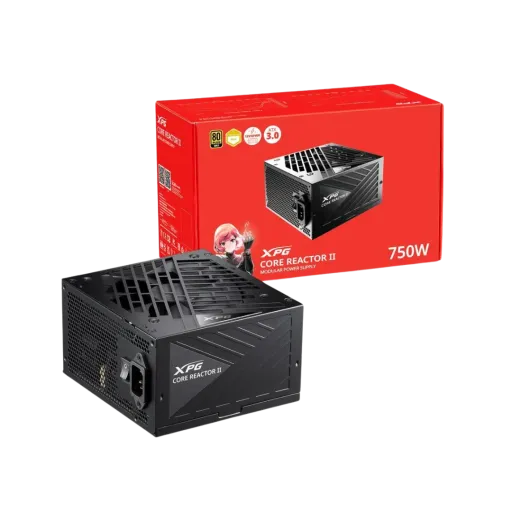
XPG Core Reactor II 750W


You Might Also Like
The XPG Core Reactor II 750W is built for modern desktops where power stability matters, aur aap chahte ho ke system rozana reliable rahe. The 750W variant is part of the Core Reactor II lineup, so you get the same next gen design focus in a more balanced wattage class. The fully modular format keeps the build clean, cable routing asaan hoti hai, and upgrades feel less messy over time. The ATX 3.0 and ATX 3.1 compliance is a practical advantage when your GPU and CPU can spike suddenly, bilkul wahi scenarios jahan cheap PSUs struggle. The included 12+4 connector support makes this PSU feel current for newer graphics cards, future proofing ka element naturally aa jata hai. The 10 year warranty adds long horizon confidence for builders who keep a rig through multiple GPU cycles. The compact 140 x 150 x 86mm size for 650W 850W models helps it fit more cases without awkward clearance issues, especially when space tight ho. The result is a PSU that feels “set and forget” for gaming, creator workloads, and daily productivity without drama
The 80 PLUS Gold certification is not just a badge, it directly translates into less wasted power as heat under typical loads. The Core Reactor II series is stated to reach up to 91.40% efficiency at 50% load on 115V input, which helps keep internal temps controlled when gaming sessions lambi ho jati hain. The lower heat output can support steadier fan behavior, so noise spikes kam hotay hain and the case airflow stays more predictable. The 80 PLUS Gold rating on the Core Reactor II product listing also aligns with the “efficient but practical” tier many builders aim for in mid to high performance rigs. The efficiency story matters even more when you run mixed loads like streaming plus gaming, kyun ke power draw smooth nahi rehta. The AC input range of 100V 240V supports stable operation across common household power environments, which reduces compatibility tension if you move or travel with your system. The Gold class approach also helps keep cable and connector heat lower under sustained current, especially on the GPU side. When your PSU runs cooler, component stress generally stays lower, aur long term reliability ka benefit naturally build ho jata hai
The ATX 3.1 direction is important because modern GPUs can demand sharp transient spikes, and older PSUs sometimes feel “out of breath” in those moments. The official Core Reactor II positioning highlights ATX 3.0 and ATX 3.1 compliance together, which signals a design intended for new hardware behavior rather than legacy only loads. The series is described as featuring a 12V 2x6 connector on the product page, so the cabling ecosystem is aligned with current GPU power standards, bilkul modern build wali feel. The Cybenetics listing for the 750W model shows a 12+4 pin PCIe cable rated for 600W, which is the practical cable you want for a single cable GPU setup without adapters. The same report also confirms the unit is fully modular, so you can install that 12+4 only when needed and keep the rest out of the airflow. The Newegg listing for the COREREACTORII750G BKCUS model also calls out Intel ATX 12V v3.0 and includes a 12VHPWR 12+4 pin connector, which helps buyers confirm they’re not stuck in an adapter situation. The practical benefit is smoother stability when GPU boosts hard, rozana ke gaming mein bhi, and fewer “random shutdown” style worries when loads jump
The fully modular cable design is a quality of life upgrade that matters every time you open the side panel. The Cybenetics cable table for the 750W model shows a practical set including the 24 pin ATX, dual EPS 4+4 for CPU, and multiple PCIe 6+2 options, so expansion asaani se ho jati hai without hunting for special cables. The same report includes SATA and Molex counts that support mixed builds with SSDs, hubs, or accessories, while keeping the wiring purposeful rather than cluttered. The official product positioning also emphasizes the modular cable design as a core part of the series identity, which is what you want if your case has a window and cable management matters. The real benefit is improved case airflow because unused cables are not stuffed behind the motherboard tray, heat kam rehti hai and fans can breathe. The build process also becomes faster because you connect only what your hardware actually uses, so troubleshooting time bhi reduce hota hai. The end result is a tidier interior that supports better thermals, easier cleaning, and a more professional looking rig
The most important rail in a gaming PC is the 12V rail, because that’s where the CPU and GPU draw the bulk of their power. The Cybenetics test data lists the +12V rail at 62.5A for the 750W model, which is exactly the kind of headroom you want for transient heavy GPUs, lag nahi feel hota in the form of instability. The same Cybenetics table shows the PSU’s total rated power at 750W, confirming this is a true 750W class unit rather than “marketing watts.” The SHI spec page also reflects the 750W capacity and lists +12V at 62.5A, which helps buyers cross check the core output capability from another catalog source. The official shop listing confirms the AC input range of 100V 240V, which is a practical detail for stable intake power in varied household conditions. The point is not just “it turns on,” but that it stays composed when boosts hit suddenly, performance bohat stable rehti hai in real gameplay. The experience you get is fewer power related surprises, smoother long sessions, and confidence when you add a stronger GPU later
The component quality inside a PSU decides how it behaves after years of heat cycles and daily load changes. The Core Reactor II listing highlights 100% Japanese 105°C capacitors for stability and reliability, jo long term use mein real difference banata hai. The same listing frames the series as designed for high performance scenarios like workstations, which is typically where you want stronger internal quality control rather than bargain grade parts. The Cybenetics report identifies Channel Well Technology as the OEM for the 750W model, which is useful confirmation for buyers who care about platform pedigree, bilkul enthusiast style detail. The 10 year warranty in the official shop listing also reinforces that this unit is positioned for long service life rather than short upgrade cycles. The practical benefit is confidence that voltage stability and ripple control remain consistent over time, so your CPU and GPU are not silently stressed. The overall feeling is less “PSU anxiety” during heavy gaming, rendering, or multitasking, aur system ka mood stable rehta hai
The cooling approach matters because a PSU that runs cooler can sustain performance with less noise and less wear. The Cybenetics report for the 750W model lists a 120mm fluid dynamic bearing fan, which is a strong choice for smoother acoustics and durability in everyday use. The same report indicates semi passive operation is not enabled, meaning the fan strategy is designed around consistent thermal control rather than “stop start” behavior, heat kam manage hoti hai across varied loads. The official shop listing also specifies FDB fan bearing for the 650W 850W range, which supports the idea of a reliability first cooling setup. The compact 140mm length for the 650W 850W chassis helps airflow planning in more cases, especially when your front radiator or HDD cage reduces space, cable routing asaan rehti hai. The real benefit is steady thermals during long gaming nights and creator renders, so boost behavior stays predictable and your case doesn’t turn into a hot box. The experience feels refined because the PSU is not constantly “chasing temperature,” and overall system acoustics remain more stable
The protection circuits in a PSU are your last line of defense when something goes wrong, and that matters more than people admit. The official shop listing calls out OCP, OVP, OPP, OTP, UVP, SCP, NLO, and SIP protections, which covers common fault scenarios from overload to short circuit, tension free operation ke liye. The SHI catalog description similarly mentions a broad protection set including surge and inrush protection along with standard voltage/current protections, giving another external confirmation of the safety focus. The ATX 12V v3.0 and v3.1 compliance noted on the shop page is also relevant here because it implies the unit is built around modern behavior expectations, not just older steady loads. The universal input range of 100V 240V further supports safe operation across typical home power conditions without manual switching. The practical outcome is simple: your GPU, motherboard, and SSDs are less exposed when power conditions get weird, aur aapko random faults ka dar kam hota hai. The confidence you gain is especially valuable when your build includes high end parts that are expensive to replace
The 750W capacity is a sweet spot for many modern gaming and creator PCs, because it supports powerful GPUs without pushing the PSU into constant high stress territory. The XPG Core Reactor II lineup explicitly includes a 750W model alongside higher wattages, so you can choose based on your parts instead of overbuying, price bracket munasib feel hota in terms of wattage planning. The ATX 3.x design direction and the inclusion of a 12+4 GPU connector help ensure your next GPU upgrade does not force an adapter heavy setup. The Newegg listing for the COREREACTORII750G BKCUS model also reinforces that this is an Intel ATX 12V v3.0 unit with full modular cabling and a 12VHPWR connector, which is exactly the checklist most builders want today. The 10 year warranty on the official shop page makes the PSU feel like an infrastructure purchase rather than a short term accessory. The real value is that your system gets cleaner power, better cable management, and a calmer upgrade path, asaani se. The closing takeaway is straightforward: if you want a modern, efficient, fully modular 750W PSU with next gen connector support and premium capacitor quality, the Core Reactor II 750W is engineered to fit that brief
Here's how current offers compare across retailers.