


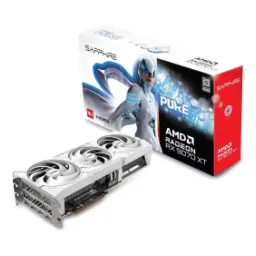
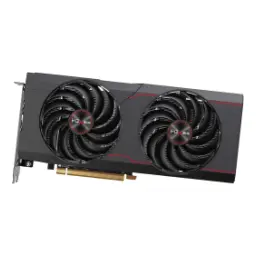
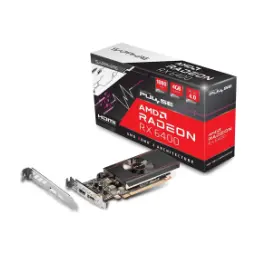
Price Breakdown & Availability
Here's how current offers compare across retailers.
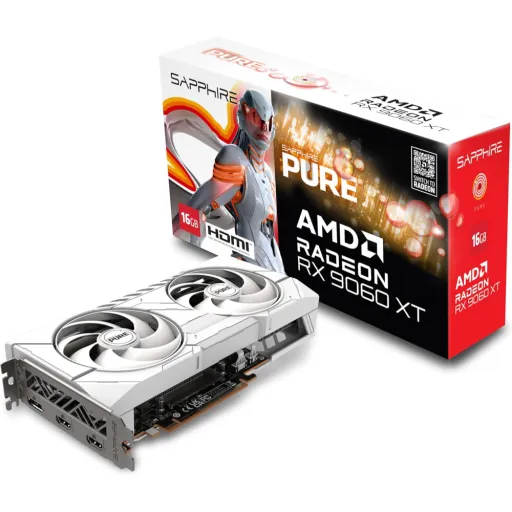
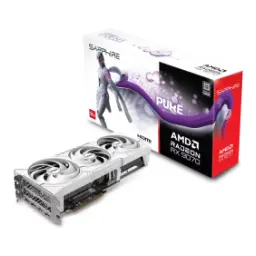
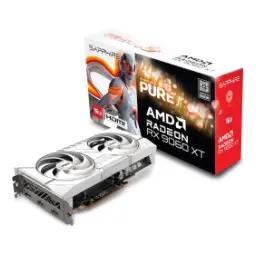
Sapphire AMD Radeon RX 9060 XT Pure


You Might Also Like
The Sapphire RX 9060 XT Pure targets modern 1440p play, jahan smooth frames aur clean visuals dono matter karte hain. The official Sapphire listing positions this as a PURE AMD Radeon RX 9060 XT OC GPU, so you get factory tuned clocks without turning the card into a loud, hot box. The 16GB GDDR6 frame buffer keeps newer games comfortable, texture packs asaani se load hotay rehte hain, and you avoid that “VRAM full” anxiety. The RDNA 4 architecture headline matters because it brings AMD’s newer ray tracing and AI acceleration direction into this tier, bilkul future facing without going extreme. The underlying RX 9060 XT platform is widely documented as a Navi 44 / RX 9000 series part, which helps set expectations around where it sits in the stack. The card’s own “Game Index 1440P” callout makes the positioning explicit, rozana ke gaming setup ke liye sensible sweet spot. The overall feel is a balanced, builder friendly GPU that aims for stable performance rather than chasing only headline numbers
The 16GB GDDR6 memory capacity matters daily, kyun ke modern games mein textures aur caches rapidly grow karte ja rahe hain. The Sapphire spec confirms a 16GB / 128 bit GDDR6 setup, so VRAM headroom stays generous while the design remains efficient. The 20 Gbps effective memory rate helps feed the GPU consistently, meaning high detail scenes feel less “spiky” during quick turns and fast camera pans. The RX 9060 XT 16GB baseline is also listed with a 128 bit bus and ~20 Gbps effective memory in independent databases, jo specs ko cross check karne mein helpful hota hai. The Sapphire page further mentions 32MB Infinity Cache, which is designed to reduce memory pressure in real gameplay, especially when you’re bouncing between open world traversal and indoor detail shots. The practical benefit is fewer abrupt texture pop ins and less hitching risk, bilkul woh feeling jo “smooth” ko actually smooth banati hai
The core shader configuration stays nicely predictable, so performance scaling feels stable in most engines. The Sapphire listing specifies 2048 stream processors and 32 ray accelerators, jo is tier ke liye a solid baseline create karta hai. The same RX 9060 XT 16GB class is commonly documented as 32 compute units with 2048 shaders, so game to game behavior tends to be consistent rather than surprising. The bigger story is RDNA 4’s platform direction, jahan AMD highlights third generation ray tracing and enhanced AI accelerators as key focus areas. The Sapphire page also calls out HYPR RX and Fluid Motion Frames 2 support, meaning you can often chase higher perceived smoothness without manual per game tweaking. The result is a GPU that feels “current gen” in features, rozana ke use mein, while still sitting in a practical power and cooling envelope
The Sapphire Pure OC tuning emphasizes usable frequency, not just marketing peaks. The official product page lists a Boost Clock up to 3290 MHz and a Game Clock up to 2700 MHz, so bursts feel quick while typical gaming stays consistent. The broader RX 9060 XT launch coverage cites boosts around 3.13 GHz for the base concept, which helps explain why AIB OC models can land higher when cooling and power limits allow it. The “boost varies by thermals” reality still applies, bilkul, because sustained clocks depend on case airflow and ambient temperatures. The practical win is better frame consistency in real sessions, especially when you alt tab, stream, or keep background apps running. The end user experience becomes less about chasing a single max number, aur zyada about stable pacing and fewer dips during long matches
The thermal design focuses on controlled airflow paths, taake heat jaldi nikal jaye aur boost behavior predictable rahe. The Sapphire page describes its Free Flow cooling approach for axial fans, which is meant to reduce turbulence and improve heat dissipation under load. The card also highlights Dual X Cooling and AeroCurve fan blades, so acoustics and temps can stay balanced for daily gaming rooms. The FrameDefense structure is presented as a rigid, box like frame, which helps during installation when GPUs get moved, reseated, or transported for LAN builds. The fuse protection callout adds another layer of “oops protection,” bilkul especially if your build sees frequent cable swaps. The net effect is a card that aims to keep heat kam and handling safer, without turning your setup into a noisy showcase
The power story stays refreshingly straightforward for builders, kyun ke compatibility headaches nobody enjoy karta. The Sapphire specification lists 170W typical board power, which sits in a range that many mainstream PSUs can handle comfortably. The same page recommends a minimum 450W power supply and confirms a single 8 pin power connector, so cable management stays clean and upgrades remain easy. The AMD launch coverage for RX 9060 XT lists around 160W TBP for the 16GB variant, which shows why partner OC boards may run slightly higher while staying in an efficient class. The practical benefit is less heat dump into your case, rozana ke use mein, and fewer “PSU upgrade first” situations. The end result feels like a sensible performance per watt approach that matches mid to upper mainstream gaming builds
The display outputs matter more than people expect, especially when you move to high refresh or ultrawide monitors. The Sapphire Pure RX 9060 XT OC page lists DisplayPort 2.1a support and states a maximum of three displays, so multi monitor productivity stays simple. The same Sapphire listing calls out 7680×4320 resolution support over HDMI and DisplayPort, which keeps you covered for high resolution panels and TV setups. The RDNA 4 launch messaging highlights an updated AMD Radiance Display Engine and an enhanced media engine direction, jo overall platform ko more “modern I/O” feel deta hai. The Pure board’s exact port mix can be build friendly for desks, aur cable routing bhi asaan ho jati hai when your main monitor and secondary display both run at high refresh. The everyday benefit is cleaner, more flexible setups without adapters everywhere
The software layer can change your upgrade value, kyun ke frames sirf silicon se nahi aate. The AMD FSR page describes ML powered FSR upscaling as available exclusively on Radeon RX 9000 Series graphics cards, which aligns with why RX 9060 XT class owners care about driver level scaling. The Ars Technica coverage also notes that FSR 4 is positioned as exclusive to RX 90 series GPUs, so older cards won’t get the same ML based path even if they can use earlier FSR versions. The Verge reports that a driver update expanded FSR 4 enablement to over 85 games that support FSR 3.1 with DirectX 12, so you can often toggle it inside Adrenalin rather than waiting on each game patch. The AMD AFMF page explains Fluid Motion Frames as an Adrenalin integrated frame generation feature that can be enabled via HYPR RX, jo quick performance uplift ke liye convenient hota hai. The real world advantage is more ways to tune smoothness, sometimes keeping your preferred settings while still getting that “smooth scrolling” feel in motion
The physical fit stays friendly for many cases, kyun ke oversized cards often create unnecessary compromises. The Sapphire specification lists a 240 mm length and a 2.3 slot form factor, so most mid tower builds can plan clearance confidently. The same product page mentions an ARGB Sapphire logo and includes a 3 pin 5V ARGB cable, which makes lighting sync asaani se possible if your motherboard supports it. The card is also positioned as TriXX supported, so you can manage fan behavior and quick performance/efficiency choices without living inside complicated overlays. The TriXX software page describes features like TriXX Boost and one click Performance & Efficiency presets, which helps you tune for heat kam, quieter operation, or extra FPS depending on your routine. The decision logic becomes simple: you get a modern RDNA 4 feature stack in a clean “Pure” aesthetic, aur daily control tools jo setup ko refined rakhtay hain
Here's how current offers compare across retailers.
Review current prices and specifications side by side.
 Current
Sapphire
Sapphire AMD Radeon RX 9060 XT PureRs. 169,990
Local price
Lowest current price2 offers
Updated 1 day ago
Sapphire
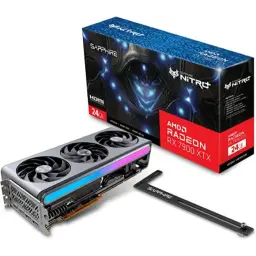
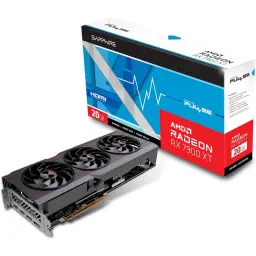
Sapphire Radeon RX 7900 XTFrom Rs. 254,790
Local price
4 offers
Updated 1 day ago
Sapphire
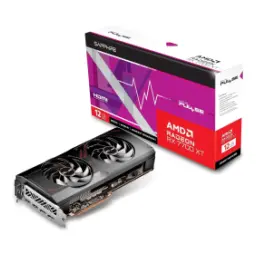
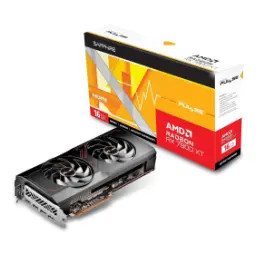
Sapphire Radeon RX 7800 XTFrom Rs. 174,990
Local price
3 offers
Updated 1 day ago