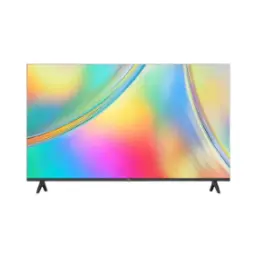
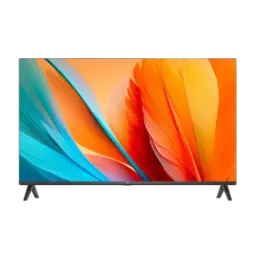
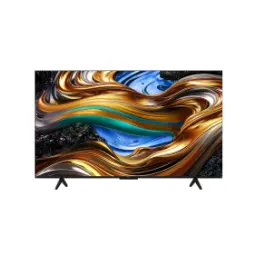
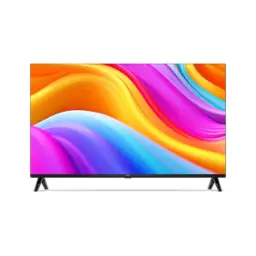
Price Breakdown & Availability
Here's how current offers compare across retailers.
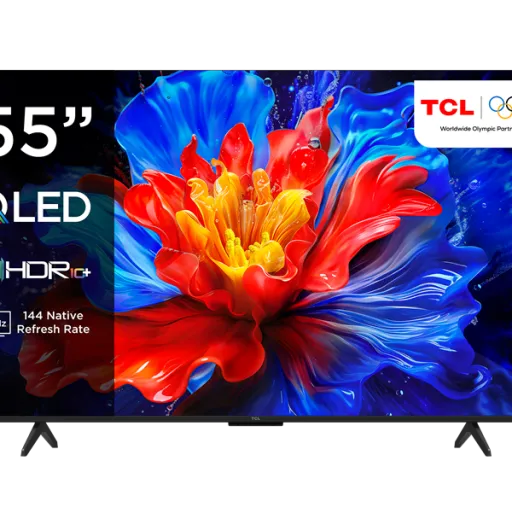

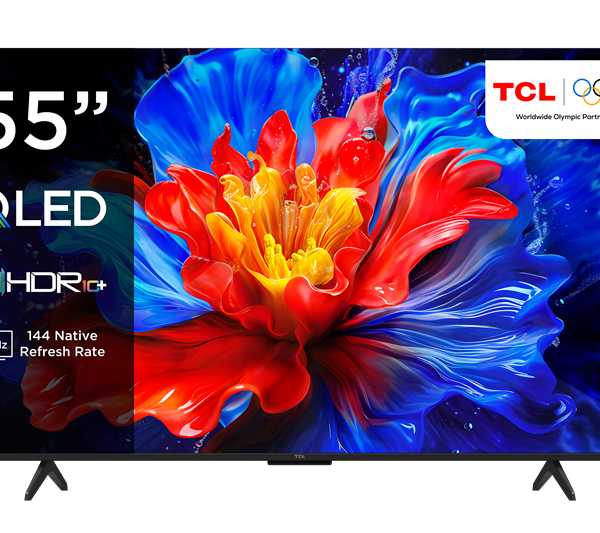
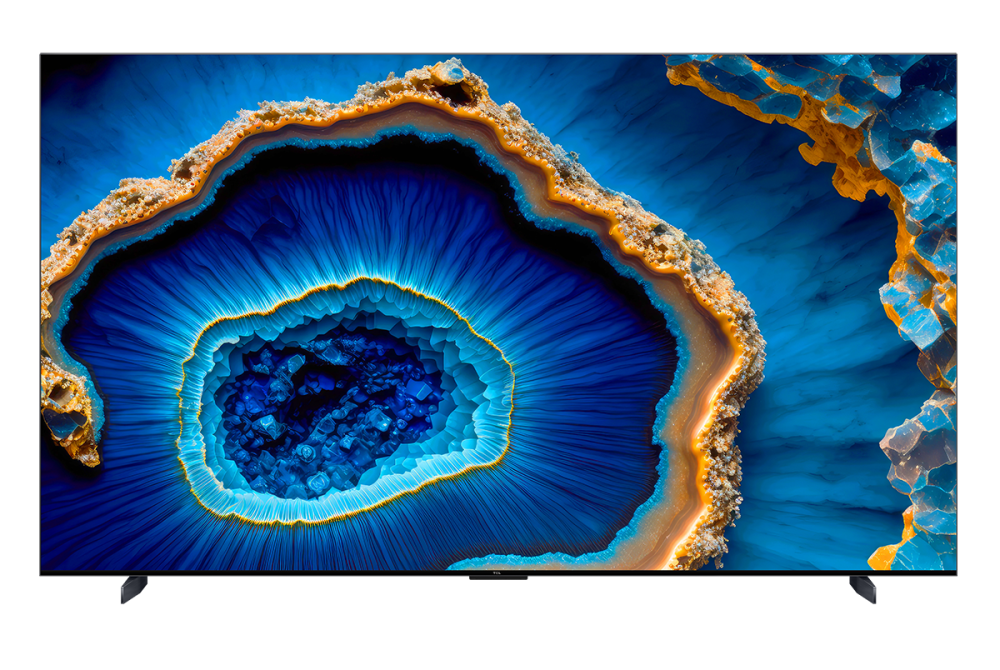
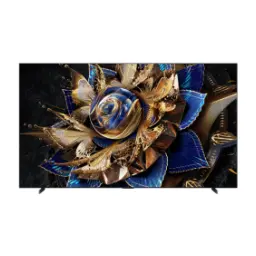
TCL 65 INCH SMART & 4K QLED TV Model 65P8K LED ON INSTALLMENTS with free home delivery
Seller: MZ Electonics
Updated 1 day ago
TCL 65 INCH SMART & 4K QLED TV Model 65P8K LED ON INSTALLMENTS with free home delivery
Seller: MZ Electonics
Updated 1 day ago
Rs. 244,300
TCL 65 INCH SMART & 4K QLED TV Model 65P8K LED ON INSTALLMENTS with free home delivery
Seller: MZ Electonics
Updated 1 day ago
TCL 65 INCH SMART & 4K QLED TV Model 65P8K LED ON INSTALLMENTS with free home delivery
Seller: MZ Electonics
Updated 1 day ago
Rs. 244,300
TCL 65 INCH SMART & 4K QLED TV Model 65P8K ON INSTALLMENTS with free home delivery
Seller: MZ Electonics
Updated 1 day ago
TCL 65 INCH SMART & 4K QLED TV Model 65P8K ON INSTALLMENTS with free home delivery
Seller: MZ Electonics
Updated 1 day ago
Rs. 244,300
TCL 65" QLED TV 65P8K
Seller: Afzal Corporation
Updated 1 day ago
TCL 65" QLED TV 65P8K
Seller: Afzal Corporation
Updated 1 day ago
Rs. 244,400
TCL 65 INCH SMART & 4K QLED TV Model 65P8K (ON INSTALLMENTS)
Seller: Shah Electronics
Updated 1 day ago
TCL 65 INCH SMART & 4K QLED TV Model 65P8K (ON INSTALLMENTS)
Seller: Shah Electronics
Updated 1 day ago
Rs. 245,400
TCL 65 Inches QLED TV | 65P8L
Seller: Afzal Corporation
Updated 1 day ago
TCL 65 Inches QLED TV | 65P8L
Seller: Afzal Corporation
Updated 1 day ago
Rs. 254,600
TCL 65 inch Premium 4K QLED UHD AI Google TV (65P8L) Best Price - With FREE SURPRISE GIFT - HomeCart
Seller: Home Cart
Updated 1 day ago
TCL 65 inch Premium 4K QLED UHD AI Google TV (65P8L) Best Price - With FREE SURPRISE GIFT - HomeCart
Seller: Home Cart
Updated 1 day ago
Rs. 255,399
TCL 65 inch Premium 4K QLED UHD AI Google TV (65P8L) - Best Price - With FREE SURPRISE GIFT - HomeCart
Seller: Home Cart
Updated 1 day ago
TCL 65 inch Premium 4K QLED UHD AI Google TV (65P8L) - Best Price - With FREE SURPRISE GIFT - HomeCart
Seller: Home Cart
Updated 1 day ago
Rs. 255,399
TCL | 65 Inch | 65P8L | Premium 4K QLED | UHD | AI Google TV - On Installment Upto 36 Months - ElectroEase
Seller: Electro Ease
Updated 1 day ago
TCL | 65 Inch | 65P8L | Premium 4K QLED | UHD | AI Google TV - On Installment Upto 36 Months - ElectroEase
Seller: Electro Ease
Updated 1 day ago
Rs. 256,949
Tcl 65 Inch Smart & 4K Qled Tv Model 65P8K Led (Free Home Delivery)
Seller: MZ Electonics
Updated 1 day ago
Tcl 65 Inch Smart & 4K Qled Tv Model 65P8K Led (Free Home Delivery)
Seller: MZ Electonics
Updated 1 day ago
Rs. 263,300
Tcl 65 Inch Smart & 4K Qled Tv Model 65P8K Led (Free Home Delivery)
Seller: MZ Electonics
Updated 1 day ago
Tcl 65 Inch Smart & 4K Qled Tv Model 65P8K Led (Free Home Delivery)
Seller: MZ Electonics
Updated 1 day ago
Rs. 263,300
Tcl 65 Inch Smart & 4K Qled Tv Model 65P8K Led (Free Home Delivery)
Seller: MZ Electonics
Updated 1 day ago
Tcl 65 Inch Smart & 4K Qled Tv Model 65P8K Led (Free Home Delivery)
Seller: MZ Electonics
Updated 1 day ago
Rs. 263,300
Tcl 65P8K Smart, 4K and Qled Tv (65" Inches)
Seller: MTech Trader
Updated 1 day ago
Tcl 65P8K Smart, 4K and Qled Tv (65" Inches)
Seller: MTech Trader
Updated 1 day ago
Rs. 268,800
TCL Smart,Qled & 4K | 65 Inch Led Tv | 65P8K | Official Brand Warranty
Seller: Shah Electronics
Updated 1 day ago
TCL Smart,Qled & 4K | 65 Inch Led Tv | 65P8K | Official Brand Warranty
Seller: Shah Electronics
Updated 1 day ago
Rs. 271,400
You Might Also Like
This TCL P8K 65 inch variant is designed for people who want a true lounge centerpiece, bari screen par family time zyada immersive feel hota hai, and the footprint instantly upgrades the room. The 65 inch class sizing gives you that cinema style field of view from typical sofa distances, so subtitles, faces, and UI elements feel comfortably readable. The 4K UHD resolution keeps fine texture crisp in everyday streaming, rozana ke dramas aur sports mein, so you do not feel like you are compromising on detail. The QLED panel approach aims to push richer color than basic LED TVs, rang zyada punchy nazar aate hain without looking cartoonish when settings are kept balanced. The Google TV platform keeps your apps and recommendations organized under a familiar interface, jis se searching aur switching asaani se ho jati hai, and daily use feels more streamlined. The overall P8K positioning makes sense for buyers who want a competitive 4K QLED class experience, thora aspirational bhi, without jumping straight into ultra premium pricing tiers. The best part is how the size, sharpness, and smart platform work together, matlab sirf specs nahi balkay real routine improvement, and that is what makes a large TV purchase feel justified
The QLED layer in TCL P8K focuses on vibrant but controlled color reproduction, colors natural rehne chahiye especially skin tones, and that balance matters more than extra saturation. The panel is specified as QLED with 3840x2160 resolution, so small details like fabric texture and hair strands stay defined in 4K scenes. The high color gamut claim is presented as up to 97% DCI P3 on TCL listings, jis ka faida yeh hota hai ke animated films aur nature shots zyada alive lagte hain, while gradients look smoother when source quality is good. The typical brightness figure is listed around 350 cd/m2, which fits best for normal living rooms where you can manage direct glare, roshni wali rooms mein curtains help karte hain, and nighttime viewing stays comfortable. The bit depth is described as 8 bit + FRC for 1.07 billion colors, so subtle shades in skies and shadows look more continuous than older basic panels when HDR is tuned correctly. The HVA panel type appears in product specifications for the P8K series, jo contrast ko better direction mein push karta hai compared to many entry IPS style options, and it helps dark scenes look less washed. The everyday benefit is simple: your movies look cleaner, sports look more lively, aur YouTube content bhi zyada polished feel hota hai, while the picture can stay realistic if you avoid overly vivid modes
Fast motion looks better when the refresh system is built for it, scrolling aur camera pans mein blur kam feel hota hai, and the P8K is positioned with gaming friendly motion support. TCL specifications list a 120Hz panel with VRR support up to 144Hz, so compatible consoles and PCs can keep frames feeling more consistent during action. TCL also mentions DLG 240Hz in the same refresh description, jo certain motion modes mein perceived smoothness ko boost kar sakta hai, but it is best treated as a mode feature rather than pure native refresh. European product listings for the 65P8K also highlight VRR plus a 144Hz native refresh mention and ALLM, so the TV can switch into a lower latency game mode automatically when a console is detected. The same listings also reference FreeSync support, jo screen tearing ko reduce karne mein help karta hai when frame rate fluctuates in real gameplay. The practical outcome is that FIFA style quick camera shifts, racing games, and shooter panning feel more stable, competitive play mein input feel zyada tight lagti hai, and sports like cricket or football keep the ball tracking clearer. The overall experience becomes less about fighting motion artifacts, aur zyada about enjoying the content, which is exactly what a 65 inch screen should deliver
Great HDR is not only about brightness numbers, dark scenes mein detail bachana bhi zaroori hota hai, and the P8K focuses on broad HDR format support. TCL lists Dolby Vision support alongside HDR10+ on the P8K series, so you can benefit from whichever HDR format your streaming service or file provides. Dolby describes Dolby Vision as dynamically optimizing image quality based on service, device, and platform, which helps scenes look more consistent when a movie swings from bright highlights to deep shadows. TCL listings also include HLG as part of certification, jo live broadcast style HDR workflows ke saath relevant hota hai, and it improves compatibility for different sources. The real win for daily viewers is that highlights look less harsh and faces look more dimensional, especially in streaming dramas and premium series where grading is done carefully. The 4K panel resolution supports HDR detail by keeping edges and textures defined, rang aur contrast ka mix zyada believable lagta hai, and that makes long movie nights feel more cinematic. The best approach is to pair HDR with sensible picture modes, kyun ke over sharpening se image artificial ho sakti hai, and a balanced setup keeps the P8K looking refined
The Google TV platform on TCL P8K is built to reduce app hopping fatigue, har banda apni pasand ka content jaldi dhoondna chahta hai, and a cleaner home screen helps. TCL lists Google TV on the P8K series, so you get the Google style content discovery layer rather than a brand locked app store vibe. TCL support guidance explains how adding your streaming services improves recommendations and how Watchlist activity helps shape what the platform suggests, which can make browsing feel more personal over time. Google also documents kids profiles and parental controls on Google TV, so families can set app access, bedtime reminders, and screen time limits in a more structured way. The experience becomes genuinely practical when multiple people share one TV, ghar mein kids aur adults ka content mix hota rehta hai, and profile separation reduces awkward recommendations. The interface value shows up in small moments, like searching once across services instead of opening three different apps, aur phir bhi results relevant milte hain, so the TV feels more like a smart hub. The goal is simple: less time deciding what to watch, zyada time actually watching, and that is where Google TV can add everyday comfort
Built in TV audio often feels thin at 65 inches, dialogue clear na ho to poori movie ka mood kharab ho jata hai, and that is why the P8K highlights its speaker approach. TCL lists an Onkyo 2.1 Hi Fi system on the P8K series, which signals a tuning focus for fuller sound than generic down firing speakers. TCL specifications for the 65 inch P8K variant show a 2.1 channel setup with 2x10W + 15W output, so you get dedicated low end support that helps explosions, drums, and crowd ambience feel less flat. Dolby Atmos is designed as a more immersive audio approach, where sound can be placed in a three dimensional space for a more realistic sense of movement and scale. TCL also lists DTS Virtual:X, which DTS describes as creating a more immersive experience with as few as two speakers by virtualizing surround and height effects. The day to day advantage is that news, dramas, and YouTube voices remain easier to follow at lower volume, raat ko bhi asaani se sunai deta hai, while action movies gain extra presence without immediately forcing a soundbar purchase. The best upgrade path stays open through eARC setups later, but the built in baseline feels more complete for regular users
A 65 inch TV becomes the center of many devices, console, soundbar, streaming sticks sab connect hotay hain, and port planning saves daily hassle. Product listings for the 65P8K show HDMI 2.1 support with multiple HDMI inputs, making it easier to keep a console, a set top box, and a media device connected without constant swapping. The same 65P8K listing also indicates four HDMI ports and ARC support, which helps when you want TV apps to send audio back to a soundbar or receiver with fewer cables. Another listing references four HDMI ports plus Game Master and ALLM oriented modes, so the connection side matches the gaming story rather than feeling like an afterthought. TCL specifications for the 65 inch P8K variant mention WiFi 5, which is generally sufficient for stable 4K streaming in most homes if the router placement is sensible. The biggest comfort is how everything stays ready, rozana ke use mein cable unplug karna annoying hota hai, and proper ports mean a cleaner setup. The smart move is to confirm the exact port count for your region before buying, lekin overall P8K family connectivity looks built for real living rooms, and that keeps ownership smooth
A good TV feels fast even outside movies, menus mein lag aaye to daily irritation hoti hai, and the P8K leans on its processing stack to keep things responsive. TCL highlights the AiPQ Pro Processor on the P8K series, which is positioned to manage picture optimization tasks like clarity, noise handling, and overall tuning per scene. TCL also lists the MT9653 platform for the 65 inch variant, which aligns with many product databases labeling it as the MediaTek Pentonic 700 (MT9653) family for smart TV workloads. TCL variant specs mention 3GB RAM and 32GB storage, so app installs, caching, and Google TV updates have practical headroom for a typical household. The everyday benefit shows up when lower resolution channels or older content are upscaled, purani videos bhi thori clean lagti hain, and motion processing plus upscaling can reduce the harshness you see on big screens. The platform also feels more usable when you jump between apps quickly, multitasking asaan ho jati hai, and you spend less time watching loading spinners. This is the difference between a TV that is only impressive on day one, and a TV that stays pleasant months later
This TV fits buyers who want one screen for everything, movies bhi, sports bhi, gaming bhi, and a single living room setup that does not feel limited. The P8K mix of 4K UHD resolution, QLED panel type, and Google TV platform forms a well rounded baseline for daily streaming and casual to serious viewing. The refresh feature set is especially relevant for console and PC users, because TCL lists VRR up to 144Hz with a 120Hz panel plus DLG 240Hz mode support, which targets smoother gameplay and clearer fast motion. European listings also position the P8K series with ALLM, VRR, and FreeSync mentions, so the product story stays consistent around gaming readiness rather than only marketing buzz. The audio direction also makes it practical for buyers delaying external speakers, kyun ke Onkyo 2.1 plus Dolby Atmos and DTS Virtual:X support aim to improve immersion with built in sound. The final decision becomes straightforward when your priority is a competitive 65 inch QLED experience with modern motion, reliable HDR formats, and a familiar smart interface, rozana ka use easy rehta hai, and the TV feels like it belongs in a current generation setup. The best next step is matching your room lighting and seating distance to the 65 inch scale, taake picture settings aur placement ka full faida milay, and you get the most from the P8K from day one
Here's how current offers compare across retailers.
Review current prices and specifications side by side.