






Price Breakdown & Availability
Here's how current offers compare across retailers.
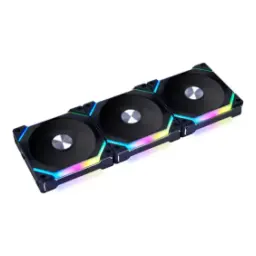
Lian Li Uni Fan P28 3-Pack

You Might Also Like
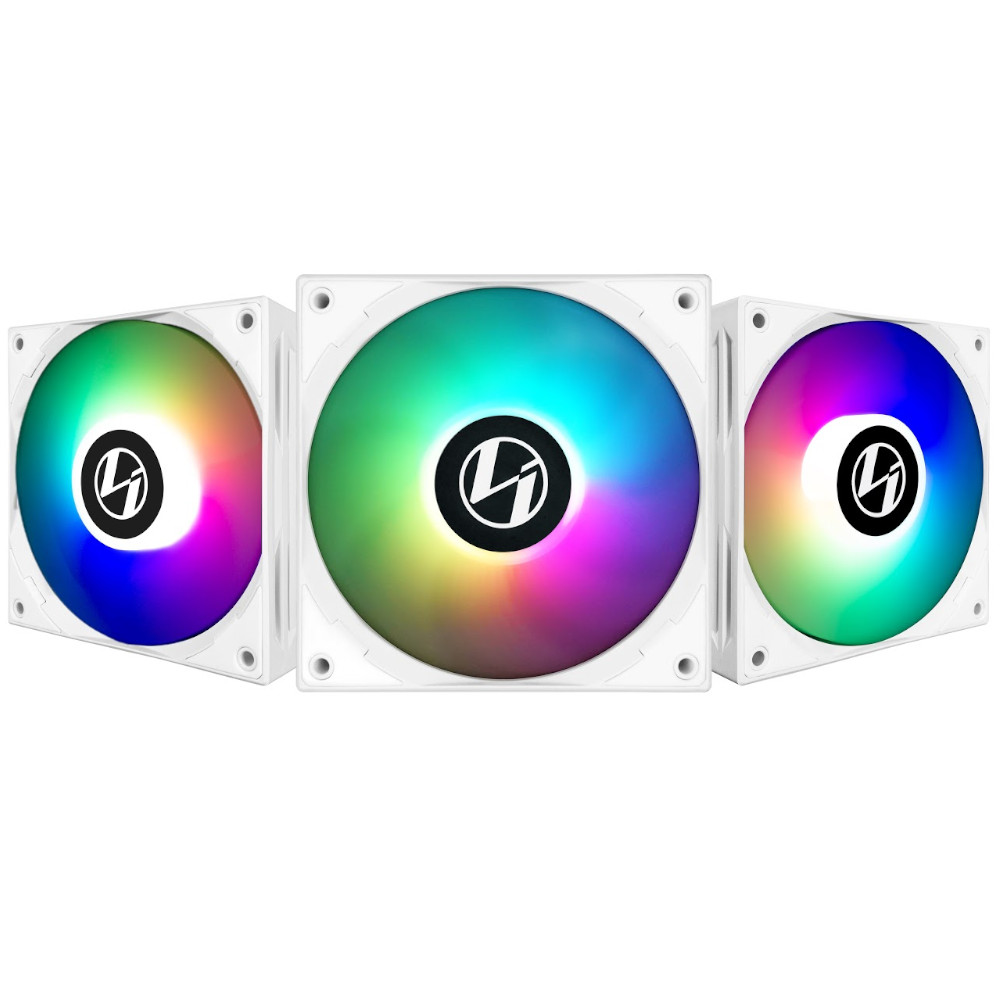
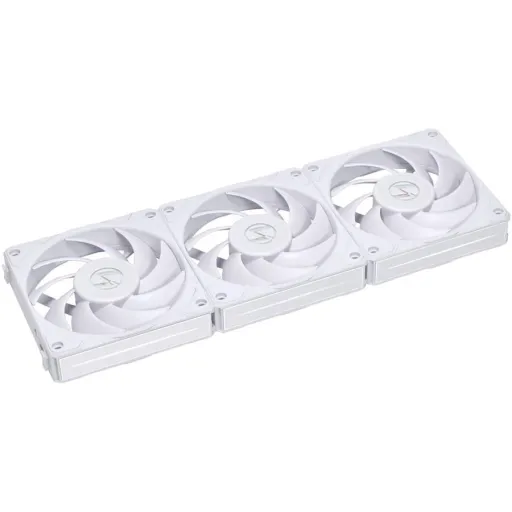
The Lian Li UNI FAN P28 3 Pack targets serious cooling builds, jahan airflow bhi chahiye aur wiring bhi clean. Three matched 120mm fans help balance intake and exhaust without guessing, so airflow planning stays simple. The included magnetic fan speed controller mounts easily inside most cases, asaani se reach hoti hai jab modes switch karne hon. A 28mm thick frame adds extra depth for pressure focused airflow, jo radiators aur filters par real difference banata hai. The UNI style daisy chain interlocking design lets fans connect into a cluster, cable clutter bilkul kam ho jata hai. A single cable for a cluster keeps the build looking intentional, especially with glass side panels. A 4 pin connector with PWM control keeps motherboard tuning straightforward for auto curves. Fluid Dynamic Bearing support is designed for smoother rotation over long sessions, rozana ke use mein noise aur wear dono controlled rehte hain. Liquid crystal polymer blades stay stable at higher speeds, so vibration handling feels disciplined. This pack fits air cooling and water cooling setups where sustained performance matters
The 28mm fan thickness helps push air with authority, jab radiator fins dense hon ya front mesh restrictive ho. Lian Li positions this thicker frame specifically to boost airflow and static pressure compared to typical 25mm fans. The maximum static pressure is rated up to 4.79 mmH2O, which supports tighter fin stacks and dust filter paths. The maximum airflow is rated up to 92 CFM, so case ventilation stays strong even with multiple components dumping heat. The performance ceiling reaches up to 2600 RPM, jahan quick temperature recovery usually matters most during spikes. The benefit is better headroom for fan curves, so the system can run quieter at mid loads. This design suits both intake and radiator duties, because pressure and airflow are balanced rather than one sided. Lian Li describes the P28 as performance oriented while keeping noise optimized, jo daily use mein zyada practical feel hota hai. The 120 x 120 x 28mm format stays standard for most mounts, so compatibility planning remains straightforward. The end result is a fan that behaves confidently when airflow resistance gets real, without forcing extreme RPM all day
The triple pack includes a magnetic fan speed controller, jo case ke andar metal surface par easily stick ho jata hai. The controller provides three preset modes to match daily noise needs, without spending time micro tuning. The Silent mode runs roughly 300 to 1300 RPM, so background acoustics stay calm for work or late night sessions. The Normal mode runs roughly 300 to 2200 RPM, jahan balance milta hai between temps and shor. The Performance mode runs roughly 300 to 2600 RPM, which is ideal for gaming bursts or heavy renders. The rated noise levels scale from about 20.4 dB(A) in Silent to about 32.1 dB(A) in Performance, so expectations stay clear. The airflow and pressure ratings also scale by mode, which helps keep temps stable without always sitting at full speed. The push button approach keeps it practical for builders who want quick control, bilkul no nonsense. The result is a cooling setup that can stay restrained most of the day, then ramp with confidence when the case heat rises
The UNI FAN P28 uses liquid crystal polymer blades for stability, jo high speed par bhi wobble aur vibration ko control karti hain. Lian Li highlights LCP as a strong material that reduces vibration and supports high speed operation without losing stability. The tighter blade to frame design increases impeller surface area, which helps performance while keeping acoustics more controlled. The practical win shows up as cleaner airflow behavior, so radiator cooling feels more consistent under load. Retail listings also call out the liquid crystal polymer blade construction for durability, jo long term use mein confidence add karta hai. The blade design supports the fan’s higher performance ceiling, without turning the sound profile into a harsh drone. Lian Li pairs this blade approach with a performance oriented positioning, which suits both air and water cooling builds. The benefit is easier fan curve tuning, because airflow response stays predictable as RPM changes. This material choice matters most when the PC runs daily, rozana ka use where small vibrations become noticeable over time
The Fluid Dynamic Bearing design focuses on reducing internal friction, jo durability aur smooth operation dono ke liye important hota hai. Lian Li describes additional motor elements like copper shielding and a metal bearing shell to reinforce stability at higher speeds. The goal is steadier rotation of the impeller, so the fan feels composed instead of rattly during ramp ups. Rubber pads are also shown as part of the vibration control approach, which helps keep case resonance in check. The P28’s rated maximum noise is listed at 32.1 dB(A), and the bearing system supports that noise target while still enabling high airflow. The bigger advantage shows up in long gaming sessions, jahan heat soak hota hai and fans run steady for hours. The design is built around stable performance rather than flashy lighting, and the base fan is listed as having no LEDs. The result is a fan setup that stays dependable through daily thermal cycles, without needing constant attention
The interlocking daisy chain system lets each fan slide into a cluster, jis se installation time aur mess dono reduce hotay hain. Lian Li states the P28 can connect up to six fans in two clusters to a single fan speed controller, which streamlines multi fan builds. The single cable approach for each cluster keeps the interior clean, especially when the case has a clear side view. The slide in pin to pad contact mechanism supports the daisy chain layout, so the cluster behaves like one organized unit. The removable interlocking key improves compatibility, jo radiator fittings ya tight clearances mein help karti hai. The included extension cable can bridge two clusters with a minimalistic cable solution, so front intake and top exhaust can still look tidy. This system is ideal for builders who want performance fans without the usual wiring headache, bilkul. The outcome is a layout that is easier to build, easier to service, and easier to keep visually clean
The 4 pin connector supports PWM control, so motherboard fan curves can handle daily ramping automatically. This matters when workloads change quickly, jaisay gaming se desktop par wapas aana or exporting a video. The rated speed range is listed as 300 to 2600 RPM, which provides both low speed quiet operation and high speed cooling headroom. The maximum airflow is listed at 92 CFM, so pushing fresh air through front panels remains practical. The maximum static pressure is listed at 4.79 mmH2O, which helps maintain flow when resistance increases. The control method stays familiar for most systems, so upgrades do not require learning a new ecosystem. The daisy chain cluster approach still keeps wiring neat, aur PWM tuning ka benefit phir bhi milta rehta hai. This blend of standard control and UNI style linking makes the fans easy to integrate, while keeping performance expectations clear
The 3 pack format helps create a consistent airflow path, jis se hotspots kam hotay hain and GPU area ko fresh air milti rehti hai. The 28mm frame is designed to deliver more airflow and static pressure, making it a strong match for radiators and restrictive mounts. Lian Li notes indented screw holes that remain compatible with 25mm fan screws, so installation stays familiar for many builders. Lian Li also mentions an optional 33.8mm long screw set for mounting through a fan bracket in push pull configurations, which supports more advanced radiator setups. This small detail helps avoid last minute hardware runs, jab build ka momentum break ho jata hai. The extension cable design can bridge two clusters, so top radiator fans and front intake fans can still stay organized. The approach is practical for mid towers and larger cases, because the cluster wiring avoids multiple separate leads. The result is a cooling layout that scales cleanly as the system grows, while keeping serviceability simple
The P28 design keeps lighting optional, so the default fan stays focused on airflow and acoustics. Retail specs list the base fan as having no LEDs, which suits stealth builds and professional setups. Lian Li describes brushed aluminum side strips that reflect case lighting for a subtle visual effect, jo clean premium look create karta hai. The optional Side ARGB Kit can replace those side strips, and each strip is described as having 10 addressable LEDs behind a diffuser. The ARGB kit is described as compatible with UNI FAN P28 and designed to daisy chain, so lighting can stay tidy if the build needs it. The clearance note is important for tight cases, because Lian Li lists 129mm width for one side and 136mm for two side installations. The long term reassurance comes from the six year warranty listed for the UNI FAN P28, jo premium fan category mein strong coverage count hota hai. The triple pack also includes a controller and cables in the box, so the setup feels complete rather than pieced together. The overall choice fits builders who want high pressure performance today, and optional aesthetics later, without changing the core cooling plan
Here's how current offers compare across retailers.
Review current prices and specifications side by side.
 Current
Lian Li
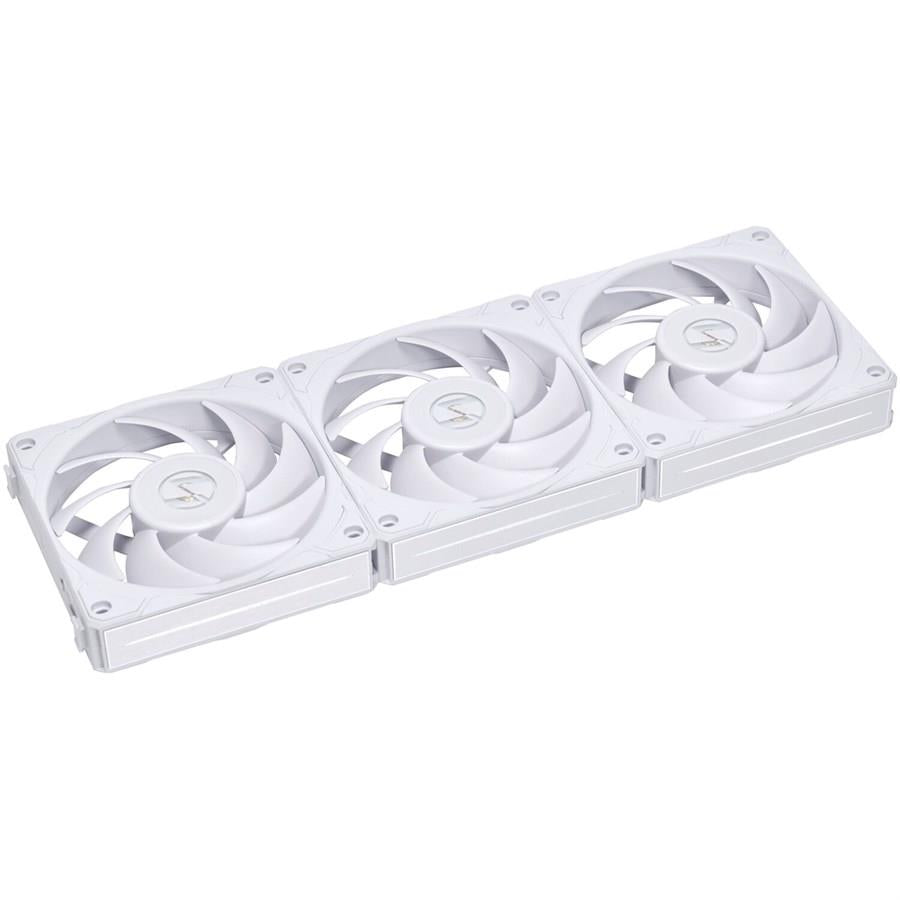
Lian Li Uni Fan P28 3-PackRs. 17,490
Local price
7 offers
Updated 8 hours ago
Lian Li
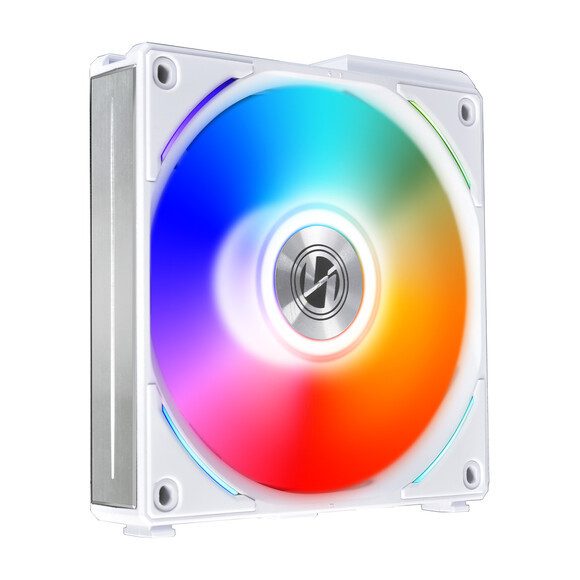
Lian Li UNI Fan AL120 SingleRs. 5,000
Local price
Lowest current price4 offers
Updated 3 days ago