Price Breakdown & Availability
Here's how current offers compare across retailers.
You Might Also Like
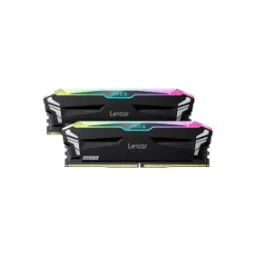
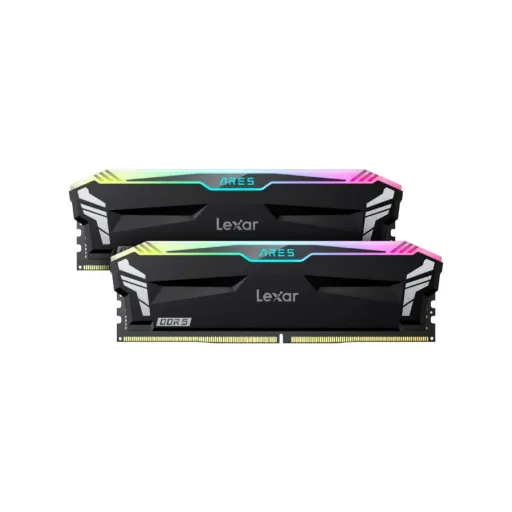
This Lexar DDR5 32GB kit targets modern builds, with 2x16GB capacity that keeps daily work responsive and gaming loads smoother. The dual stick layout improves practical stability, kyun ke matched modules se training asaani se ho jati hai, and dual channel bandwidth stays consistent in real tasks. This DDR5 6400 class speed is positioned for high refresh gaming and creator apps, jahan asset streaming aur heavy tabs dono ek sath chal rahe hotay hain, without the system feeling “stuck”. The UDIMM desktop form factor keeps upgrades straightforward, so compatibility checks stay simple on mainstream DDR5 motherboards. This profile driven approach also fits mixed Intel and AMD ecosystems, bilkul especially when the goal is one click tuning instead of manual timing hunting. This product family is advertised with Intel XMP 3.0 and AMD EXPO support, which helps you dial in rated performance quickly from BIOS menus. This is the kind of memory upgrade that feels immediate, rozana ke workflow mein, because responsiveness improves even before benchmarks enter the picture
This DDR5 generation improves efficiency through a smarter internal layout, where each DIMM is effectively split into two 32 bit channels for better parallelism. The dual subchannel design helps reduce bottlenecks, toh game streaming aur large project loads mein micro stalls kam nazar aate hain, while the CPU stays fed with data. This DDR5 standard was designed to scale up to at least DDR5 6400 data rates, which frames 6400MT/s as a meaningful milestone rather than a random marketing number. This Lexar kit includes a DDR5 6400 option in its published performance tier, so the speed claim stays grounded in the vendor’s own specification table. The practical benefit shows up in bandwidth heavy moments, jaisay large map loads, high FPS esports dips, and heavy browser plus Discord multitasking, even when the GPU is already strong. This is also why DDR5 often pairs well with newer CPUs, because higher data rates and better bus efficiency reduce waiting during rapid context switching. This section’s takeaway stays simple for buyers: higher, cleaner throughput at DDR5 6400 can translate into smoother frametimes and snappier interaction, without changing your SSD or GPU
This kit is designed around profile based tuning, so Intel XMP 3.0 and AMD EXPO can be enabled quickly inside BIOS without manual trial and error. The Intel XMP 3.0 standard was created specifically for DDR5, aur isi wajah se modern boards per extra profiles aur richer controls milte hain, compared to older generations. The Intel overview also notes XMP 3.0 can support up to five profiles, which is useful when you want a stable daily profile plus a faster “weekend tuning” option. The AMD EXPO program is positioned as an easy path to DDR5 memory overclocking on AM5, jahan Ryzen optimized profiles se setup time kam hota hai, and compatibility details are meant to be transparent. The real world advantage is smoother setup for mixed builders, kyun ke Intel users XMP choose karte hain aur AMD users EXPO, without buying two different kits for different platforms. The practical note stays important for expectations, because both Intel and AMD frame overclocking as operating beyond published specifications and warn about risk or warranty implications. This is why a profile first kit feels premium, asaani se stable settings mil jati hain, and you spend less time troubleshooting and more time using the PC
This DDR5 platform includes on die ECC at the chip level, which is intended to correct certain internal bit errors and improve component level reliability over time. The Kingston breakdown clarifies a key reality, ke on die ECC bus level errors ko correct nahi karta, so it is not the same thing as full system ECC memory. This matters for everyday users because stability improvements feel subtle, bilkul like fewer random hiccups under heavy multitasking, instead of a flashy FPS number. This DDR5 generation also moves power management onto the module via PMIC, which Crucial describes as improving signaling and delivering cleaner power to the DIMM. This is where the 1.1V context fits naturally, because DDR5’s operating voltage is commonly described as 1.1V compared to DDR4’s 1.2V for efficiency. This specific Lexar DDR5 6400 configuration is listed with a 1.4V value alongside its rated performance and timings, which is typical for higher speed profiles even when baseline DDR5 operates lower. This balanced view helps buyers avoid confusion, kyun ke JEDEC base aur XMP/EXPO profile ka voltage different ho sakta hai, and that is normal for tuned kits
This Lexar DDR5 design focuses on heat control, because stable memory behavior often depends on keeping module temperatures predictable during long sessions. The ARES RGB 2nd Gen page highlights a 1.88mm heatsink and a PMIC thermal conductive pad, jo heat ko spread karne mein help karta hai, so performance stays consistent instead of spiking and dipping. The practical payoff appears during sustained gaming nights, jahan case airflow average ho aur ambient temperature high ho, because memory training and stability margins remain healthier. The vendor also positions this product around overclocking oriented use, which makes thermal design more than cosmetic when profiles are enabled. This matters in everyday terms because fewer heat related instabilities mean fewer reboots, rozana ke kaam mein less interruption, and cleaner “set it once” behavior. This cooling approach pairs naturally with DDR5’s on module power management concept, where a stable power delivery path can benefit from thoughtful heat dissipation around the module components. This is also why buyers upgrading from older RAM sometimes feel a smoother experience, kyun ke DDR5 DIMMs are engineered with modern power and thermal considerations in mind, not just raw frequency. This section’s promise stays practical and measurable: better thermal handling supports stable profiles, stable profiles support consistent performance, and consistent performance feels premium
This 32GB capacity level fits today’s real multitasking, where browsers, launchers, Discord, and creative tools stay open together without constant reloads. The 2x16GB configuration balances capacity with controller friendliness, toh dual channel bandwidth bhi milta hai aur upgrade path bhi clean rehta hai, while keeping memory management straightforward. This is where DDR5 feels “responsive” beyond benchmarks, kyun ke switching between heavy apps becomes smoother and background tasks cause less friction, especially with modern many core CPUs. The Crucial overview frames DDR5 as more responsive for multitasking and real world use, which aligns with how most people actually use a PC today. This kit’s DDR5 6400 tier helps when memory bandwidth matters, jaisay light video editing timelines, big Photoshop files, or open world games that stream assets continuously, and it keeps interaction snappy. This capacity also supports smoother “always on” workflows, rozana ke office tasks plus background downloads, without pushing the system into constant cache eviction. The result is a PC that feels calmer under load, kyun ke RAM headroom reduces emergency swapping and keeps more working data closer to the CPU. This section’s bottom line is simple: 32GB gives breathing room, and DDR5 architecture helps that room stay fast
This kit uses the standard 288 pin UDIMM format, so it is built for desktop DDR5 slots rather than laptop SO DIMM sockets. The DDR5 pin count may match DDR4 numerically, lekin notch keying different hoti hai, which prevents accidental installation in older sockets. The Kingston guide notes DDR5 module keys vary by module type, which helps avoid compatibility mistakes during building. This is why motherboard selection matters first, kyun ke DDR5 requires a DDR5 board and a CPU generation that officially supports DDR5 memory controllers, before any speed discussion starts. The Intel XMP guidance recommends checking motherboard compatibility lists and memory certification, which is a clean way to reduce “won’t boot at profile” surprises. The AMD EXPO page also emphasizes transparency and compatibility verification through partner testing, which helps buyers confirm that a kit is meant to run at its advertised speed and latency. This process keeps upgrades stress free, asaani se, because the right checks mean fewer BIOS resets and fewer hours lost on troubleshooting. This section’s goal is clear for buyers: pick the right DDR5 platform first, then enjoy the plug in simplicity of UDIMM memory
This Lexar DDR5 6400 kit is specified with a tuned timing set, where the 32GB (2x16GB) 6400MT/s option is listed as CL30 38 38 76 for this product line. The same specification table lists 1.4V alongside that 6400 profile, jo typical hai for high speed tuning, because stability often needs extra voltage headroom at higher frequencies. This is why enabling XMP or EXPO matters, because it applies the full recipe of frequency, timings, and voltage together rather than leaving you at default settings. The Intel XMP 3.0 description highlights DDR5 focused capabilities including profile flexibility, which supports the idea of a “daily stable” tune that still feels fast. The Lexar page also notes speeds are based on internal testing, toh real results motherboard aur CPU controller par depend karte hain, and that expectation keeps builds realistic. This is where good building habits pay off, kyun ke updated BIOS, correct slots, and a clean memory training cycle often decide whether 6400 runs perfectly or needs a minor tweak. This section’s message stays buyer friendly: the best “feel” comes from balanced profiles, not just a big MHz number. This approach keeps performance smooth and repeatable, and it avoids the frustration of half configured settings
This DDR5 upgrade story should stay honest, because real gains depend on workload, platform, and how sensitive your apps are to memory bandwidth. The Tom’s Hardware analysis notes DDR5 brings architectural improvements and lower voltage, lekin gaming gains can be modest in many cases, so expectations should be tuned for your use case. This kit still makes strong sense for new DDR5 builds, kyun ke buying a DDR5 board already commits you to the ecosystem, and DDR5 6400 becomes a competitive performance tier. The efficiency angle is also real at the platform level, because DDR5 operating voltage is commonly described as 1.1V and PMIC based power delivery is part of the design. The daily benefit often shows as smoother multitasking, rozana ke kaam mein less lag feel, and better headroom for background apps rather than only higher average FPS. The platform flexibility helps long term value, because this Lexar line is designed for both Intel XMP 3.0 and AMD EXPO, which keeps upgrade paths open if the CPU brand changes later. This final takeaway stays simple for buyers: choose DDR5 6400 when you want strong bandwidth, modern profiles, and a clean 32GB baseline, without drifting into extreme tuning territory
Here's how current offers compare across retailers.
Review current prices and specifications side by side.