




Price Breakdown & Availability
Here's how current offers compare across retailers.
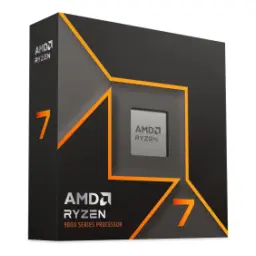
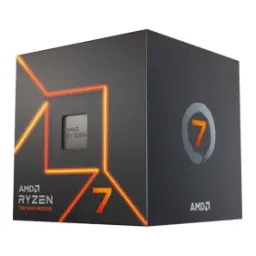
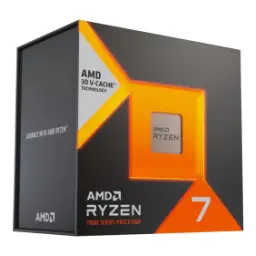
AMD Ryzen 7 9700X Box


You Might Also Like
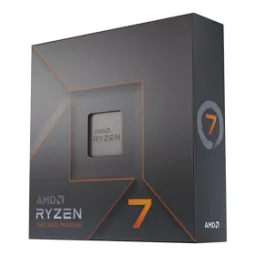
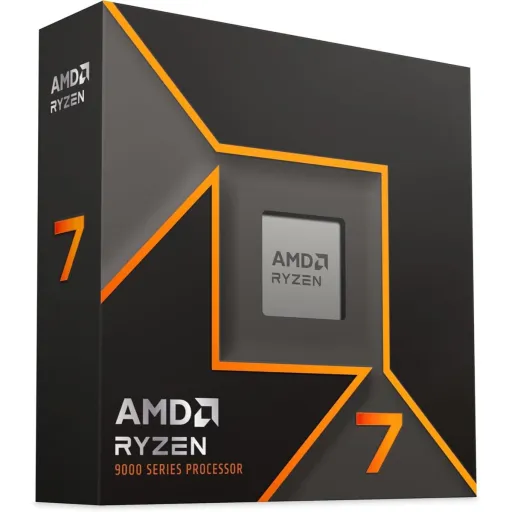
This boxed AMD Ryzen 7 9700X targets builders who want flagship grade responsiveness without a power heavy personality, bilkul daily use aur gaming dono ke liye. With Zen 5 “Granite Ridge” at its core, it is designed to keep frame delivery steady and apps feeling instantly ready, jab aap alt tab ya heavy tabs open karte ho. With 8 CPU cores and 16 threads, the processor gives you the breathing room needed for streaming, editing, and multitasking that stays smooth in real projects. The AM5 socket makes the platform feel forward looking, kyun ke DDR5 aur newer chipsets ke sath upgrades straightforward rehte hain. The default 65W TDP profile keeps build planning simpler, so you can aim for quiet airflow and clean cable management without chasing extreme thermals. The integrated AMD Radeon Graphics is included for practical display output, which is helpful jab GPU troubleshooting ho ya pehla boot karna ho. The 4nm process for the CPU core chiplet supports strong efficiency, meaning performance per watt stays competitive in today’s efficiency focused builds. The overall identity feels balanced and premium, asaani se aap isko gaming rig ya creator PC dono mein fit kar sakte ho
With 8 cores and 16 threads available, your workload stops fighting for attention and starts flowing with better pacing, multitasking asaan ho jati hai. The 3.8 GHz base clock keeps background tasks consistent, so long renders or compiles feel predictable during extended sessions. The boost behavior can reach up to 5.5 GHz, which helps short bursts like game loads, UI interactions, and heavy single thread moments feel snappy. For gamers chasing stable minimums, the core count gives engines room to breathe, especially jab Discord, browser, aur recording parallel chal rahi ho. The 16 thread layout is also a comfort zone for creators, because timeline playback, exports, and asset management can run without frequent slowdowns. The platform positioning matters for everyday productivity too, as spreadsheets, IDE builds, and multitool workflows remain responsive without constant fan ramps. The Zen 5 generation also brings architectural tuning aimed at improving overall throughput, so gains show up as “everything feels faster” rather than only one benchmark. For mixed use PCs, the experience stays refined, rozana ke use mein bhi lag nahi hota. The result is a CPU that feels quick in short actions and dependable in long tasks, which is exactly what most real builds demand
The 65W default TDP is a practical win for modern systems, kyun ke heat aur noise ko control karna asaan ho jata hai. This power target helps the CPU sit comfortably in mid towers and compact airflow builds, so you can prioritize stable acoustics instead of aggressive fan curves. Many builders care about sustained boost behavior more than headline spikes, aur yahan efficiency ka fayda yeh hota hai ke throttling pressure kam hota hai. The Ryzen 9000 series positioning also highlights lower operating temperatures versus the previous generation approach, which can keep effective frequency more consistent across long sessions. The thermal ceiling is specified with a 95°C maximum operating temperature value in common databases, giving you a clear boundary when tuning coolers and case airflow. This is where the “balanced CPU” idea becomes real, because lower power makes it easier to maintain smooth performance in summer rooms and long gaming marathons, heat kam rehti hai. The efficiency profile also pairs nicely with modern GPUs, since the system power budget stays reasonable while the graphics card does the heavy lifting. For creators, the same power discipline means export runs feel less chaotic, and the machine stays comfortable to sit next to for hours. The end result feels clean and controlled, bilkul like a well tuned premium build instead of a noisy benchmark box
With 8MB of L2 and 32MB of L3 cache, the Ryzen 7 9700X is built to keep frequently used data close to the cores for quicker access. This matters in games and creation apps because cache reduces round trips to system memory, jis se micro stutter aur random dips kam ho sakte hain. Each core carries 1MB of dedicated L2 cache in common spec breakdowns, which helps tasks that bounce between threads and still need fast local data. The shared 32MB L3 pool supports heavier scenes and mixed workloads, so background tasks do not feel like they are constantly stealing responsiveness. For competitive gamers, cache behavior can show up as steadier frame pacing during hectic fights, jab map assets aur physics calculations ek sath hit karte hain. For creators, cache helps with timeline scrubbing and repeated effects, because the CPU can reuse hot data instead of waiting on memory as often. This is also where the “snappy desktop” feeling comes from, as app switching and browser heavy workflows remain crisp with less waiting. The cache configuration fits the 8 core layout well, so you get a balanced blend rather than an imbalanced design where one area bottlenecks another. The experience stays refined across many apps, multitasking asaan rehti hai, and the system feels more responsive overall
The AM5 socket gives this CPU a modern foundation, so your build aligns with today’s DDR5 era and tomorrow’s upgrade path. PCIe 5.0 support is included at the processor level, which matters when you want next gen storage and high bandwidth expansion without platform limits. Official DDR5 5600 support is commonly listed for the Ryzen 7 9700X, giving a stable baseline that feels smooth in real world multitasking. This platform story is important for gamers, kyun ke fast NVMe + strong GPU combo se load times aur streaming assets better handle hotay hain. The Zen 5 desktop stack is also positioned around AM5 continuity, which helps builders reuse quality boards and keep upgrades modular instead of replacing everything. For creators, PCIe 5.0 headroom supports fast scratch drives and capture workflows, so big files move quickly and projects open with less waiting. The platform also keeps cable routing and airflow planning simpler, because you can choose modern boards with the connectivity mix that matches your use case. The key benefit is flexibility without chaos, asaani se aap apni build ko future friendly rakh sakte ho
The integrated AMD Radeon Graphics makes the Ryzen 7 9700X more practical than a CPU with no display output, especially for first time builders. This built in graphics capability is designed for basic display tasks, so BIOS setup and driver troubleshooting remain possible even when the discrete GPU is not installed yet, ya jab GPU RMA pe chali jaye. AMD’s Granite Ridge SoC design is described with a small integrated GPU configuration, including a 1 WGP and 2 CUs based on RDNA 2 in technical coverage, which reinforces that it is meant for utility and reliability rather than high end gaming. This matters in real life because a “no display” situation can waste hours, aur yahan aap quick diagnose kar lete ho. The iGPU also helps minimalist builds that need a workstation desktop experience without a separate graphics card at the start. For offices and creators, it can serve as a backup display path while the main GPU handles renders, keeping downtime low. This is a small feature that pays off when problems happen, bilkul like a safety net in a serious build. The processor still stays focused on CPU performance first, but having integrated Radeon Graphics makes the ownership experience feel more complete
An unlocked multiplier is a meaningful advantage for enthusiasts, because it lets you tune performance behavior instead of accepting one fixed profile. Precision Boost 2 is part of the overall Ryzen behavior stack, so the CPU dynamically scales clocks based on workload and conditions for better real world feel. This style of boosting can be ideal for mixed workloads, kyun ke short bursts pe speed aati hai and long sessions stay controlled. Coverage of the 9700X also discusses modern tuning options and BIOS side controls that help users shape curves and optimize performance, which is useful for builders who enjoy refining their systems. DDR5 tuning is also a common part of the AM5 experience, and the platform’s official DDR5 5600 baseline gives you a clean starting point before you push memory profiles. This is where builders can chase smoother 1% lows or faster creation exports, asaani se apni priorities ke hisaab se. The key is that tuning stays optional, so stock users still get a strong experience while tweakers get room to experiment
The “Box” packaging type is ideal for builders who want a straightforward retail experience, kyun ke labeling, handling, aur authenticity checks simple ho jate hain. Retail listings for the Ryzen 7 9700X boxed processor clearly state that a heatsink is not included, so cooler selection becomes part of your build plan from day one. This approach is actually convenient because it lets you pick the exact acoustic and thermal style you prefer, bilkul silent air cooler ya clean AIO look. Common CPU databases also list no bundled cooler for the 9700X, reinforcing that it is a “bring your own cooling” product rather than a plug and play stock cooler bundle. The 65W TDP makes cooler choice easier, because you can prioritize quiet fans and stable temps instead of oversized solutions, heat kam rehti hai. Installation remains typical AM5, so a good mount and consistent thermal paste application are what matter most for stable boost behavior. The benefit of boxed buying is peace of mind in a clean package, while the benefit of no included heatsink is customization without paying for a cooler you might not use
This Ryzen 7 9700X Box is a strong choice for balanced builders, because it blends modern platform features with a sensible efficiency profile. With 8 cores and 16 threads, it supports gaming plus real multitasking, so streaming, chat apps, and background tools do not constantly interrupt your flow. The up to 5.5 GHz boost ceiling helps the system feel quick in the moments you notice most, jab aap launch, load, aur snap actions karte ho. The AM5 socket and DDR5 support keep the upgrade path relevant, which matters when you plan a build that should last multiple GPU cycles. PCIe 5.0 readiness adds storage and expansion flexibility, so fast NVMe upgrades feel like a natural next step instead of a platform limitation. The integrated Radeon Graphics gives practical display output for troubleshooting, making ownership smoother when hardware changes happen. The 4nm CPU core process ties into the efficiency story, so the machine can stay cooler and quieter in daily use with less drama. The boxed format keeps the purchase experience clean, and the no heatsink approach lets you select the exact cooler class your build deserves. The final takeaway is simple: you get modern AM5 value with stable performance, aur build ka overall experience refined rehta hai
Here's how current offers compare across retailers.
Review current prices and specifications side by side.