
Price Breakdown & Availability
Here's how current offers compare across retailers.
You Might Also Like
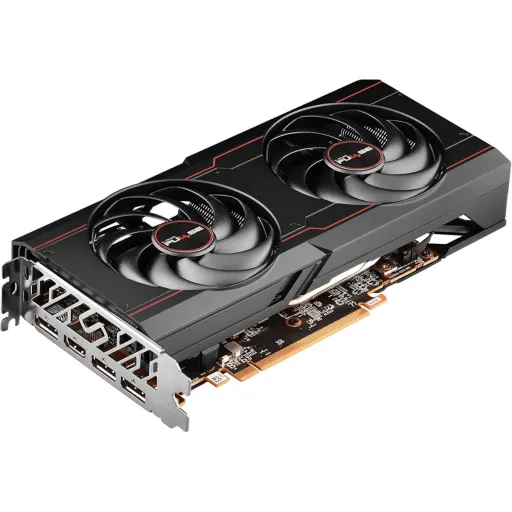
This Sapphire PULSE RX 6600 XT targets crisp 1080p gaming, rozana ke sessions mein stable frames chahiye hotay hain, and the whole design leans into that practical sweet spot. The graphics core is Navi 23 XT on AMD RDNA 2, so modern features stay onboard without turning your build into a heater. The shader count sits at 2048 stream processors, which helps keep 1080p high settings feeling responsive, lag nahi hota when you move between fast action and heavy scenes. The memory configuration is 8GB GDDR6, meaning texture packs and modern game assets fit with less stutter, asaani se you can keep background apps open too. This PULSE edition also focuses on cooling and durability details, jo long sessions mein real difference banatay hain, instead of chasing flashy looks only. The board interface is PCI Express 4.0 x8, which aligns with the RX 6600 XT platform design and keeps modern systems fed. The overall experience is about clean responsiveness, thori si smart tuning, and a setup that stays straightforward for mainstream builders
This RDNA 2 foundation brings practical upgrades, especially jab aap newer titles play karte ho, and it keeps the card relevant across changing game engines. The RX 6600 XT class supports DirectX 12 Ultimate features, so variable rate shading and modern rendering paths feel more consistent in supported games. The design includes 32MB Infinity Cache, which is meant to reduce latency and improve efficiency, yani memory traffic ka pressure kam hota hai. The hardware raytracing capability is part of the RX 6600 XT story, so you can enable RT selectively when visuals matter, aur phir performance ko balance karna asaan rehta hai. This PULSE model lists 32 Ray Accelerators, which frames ray traced effects as an option rather than an all or nothing switch. The bigger win is responsiveness tools, kyun ke competitive ya fast games mein input feel matter karti hai, and AMD highlights Radeon Anti Lag and Radeon Boost as part of the RX 6600 XT platform feature set. This combination makes the card feel modern in day to day play, bilkul especially when you tune settings for smoothness instead of chasing max effects
This PULSE edition comes with factory tuning aimed at steady gameplay, rozana ke use mein stability zyada valuable hoti hai, and it avoids the annoying “fast then throttled” feeling. The card is positioned by Sapphire as a 1080p gaming fit, which matches the RX 6600 XT’s mainstream performance intent. The listed Game Clock goes up to 2382 MHz on the PULSE, giving you a reliable baseline for long matches, aur gameplay mein micro stutter kam feel hota hai. The listed Boost Clock goes up to 2593 MHz, which helps short bursts like heavy explosions or fast camera pans remain snappy. The underlying compute configuration is 32 compute units and 2048 GPU cores for the RX 6600 XT class, so most titles at 1080p high feel properly fed when settings are sensible. The point here is smooth frame pacing, not just peak numbers, is liye aapko mouse input aur controller response cleaner lagti hai in motion heavy scenes. AMD specifically frames RX 6600 XT as a high framerate 1080p gaming focus, which aligns with how this PULSE card is meant to be used
This 8GB GDDR6 memory setup helps keep modern games comfortable, khas taur par jab textures high par hotay hain, and it reduces the constant “close something first” juggling. The card carries 8GB GDDR6 on a 128 bit bus, which is a mainstream balanced layout for 1080p and tuned 1440p play. The effective memory speed is listed at 16 Gbps, so bandwidth stays healthy for fast asset streaming during movement heavy scenes. The Infinity Cache size is 32MB, which AMD describes as reducing latency and power consumption compared to traditional approaches. The real world payoff is smoother traversal, yani open world areas mein sudden hitching ka chance kam hota hai, especially when the game loads new textures while you sprint or drive. This memory balance also suits creator lite work, jaise basic edits or timeline scrubbing, because VRAM pressure stays predictable at 1080p. The end result is a calmer experience where settings stay consistent, aur aap baar baar graphics menu mein wapas nahi jatay
This PCIe 4.0 x8 link keeps the card efficient, kyun ke RX 6600 XT family ka interface design yahi hai, and it fits cleanly into most gaming rigs. The Sapphire PULSE RX 6600 XT specifically lists PCI Express 4.0 x8 as its interface, so you know exactly what the board is built around. The same PCIe 4.0 x8 configuration is also documented in the TechPowerUp database entry for this model, which helps confirm the lane design. The physical installation still uses a standard PCIe x16 slot on the motherboard, so fitment is normal and build process asaani se complete ho jata hai. This matters for real buyers because cable management and airflow planning stays simple, bilkul especially in mid tower cases where GPU clearance can be tight. The goal is balanced throughput rather than excess, so your platform feels optimized instead of overbuilt. That kind of “right sized” interface is perfect when you want dependable performance, aur upgrade path bhi open rakhna ho for later CPU or storage changes
This model lists 170W board power, jo planning ko straightforward banata hai, and it avoids the uncertainty that can come with vague power numbers. Sapphire states a 170W board power figure for the PULSE RX 6600 XT, making it clear where the card typically sits under load. Sapphire also calls for a minimum 500W power supply and a single 8 pin power connector, so most mainstream PSUs fit without adapters or stress. AMD’s RX 6600 XT reference guidance mentions “starting at 160 W” TBP, which shows why partner cards may vary a little depending on tuning and cooling. The benefit is consistent clock behavior, matlab power delivery stable rahe to boosts sustain rehte hain, and your case airflow does not need extreme fan curves. This efficiency focused envelope is great for daily gamers, rozana ke 2 4 hour sessions mein, because heat and noise are easier to control. The practical outcome is fewer PSU worries, cleaner cable routing, and a GPU upgrade that feels “drop in” for many builds
This Sapphire PULSE cooler is built for real sessions, jab game lambi chalti hai, and it focuses on stability rather than flashy extras. Sapphire lists Dual X Cooling Technology along with Intelligent Fan Control and Precision Fan Control, so airflow behavior stays more intentional across loads. Sapphire also highlights Two Ball Bearing Fans, which are chosen for durability and consistent spin over time, bilkul especially in dusty environments. The included metal backplate adds structural support and helps the card feel solid in hand, haath mein wobble wali feeling nahi aati, while also contributing to a cleaner finished build look. The card uses a dual fan cooler and a 2.2 slot form factor, with dimensions listed as 240(L) x 119.85(W) x 44.75(H) mm for planning clearances. This sizing is friendly for many mid towers, lekin case ke front fans aur drive cages ko pehle check karna smart rehta hai. The end benefit is stable boost behavior and heat kam, so your gaming feels consistent across matches and not just in the first five minutes
This output layout supports modern monitors easily, office aur gaming dono ka setup asaani se ban jata hai, and you can keep cabling clean without weird dongle chains. Sapphire lists one HDMI output plus three DisplayPort outputs, which is ideal for multi monitor productivity and a primary high refresh display. Sapphire also states support for a maximum of four displays, so streaming dashboards, Discord, and game windows can coexist smoothly. Sapphire lists up to 7680 x 4320 over HDMI and DisplayPort 1.4, which helps when you connect high resolution panels for media or detailed creative work. DisplayPort 1.4 with DSC is called out in Sapphire’s feature list, which matters for high res and high refresh combinations. This kind of connectivity also keeps upgrades flexible, yani aaj 1080p high refresh ho, kal 1440p monitor le lo, and the I/O stays ready. The experience feels tidy and modern because you can build a setup that fits both play and productivity
This GPU feels better when software helps, kyun ke raw hardware ke sath tuning tools bhi important hotay hain, and AMD’s ecosystem focuses heavily on responsiveness. AMD highlights Radeon Anti Lag as a way to decrease input to display response time, which can make aiming and quick reactions feel more direct. AMD also highlights Radeon Boost with variable rate shading support for boosting performance during fast motion, jo hectic fights mein smoothness ko push kar sakta hai when you value response over perfect sharpness. AMD Radeon Super Resolution is an in driver upscaling feature that uses the same algorithm found in FSR, so you can gain performance even in games without built in FSR support. Sapphire adds its own layer with TriXX support and TriXX Boost, jo quick resolution scaling aur tuning ko convenient banata hai without turning your setup into a science project. The practical value is simple: you can keep settings balanced, rozana ke use mein, and still unlock extra headroom when a game gets heavier after an update. This is why the Sapphire AMD Radeon RX 6600 XT PULSE remains a sensible pick for focused 1080p builds that want smooth motion and control first gaming
Here's how current offers compare across retailers.