
Price Breakdown & Availability
Here's how current offers compare across retailers.
You Might Also Like
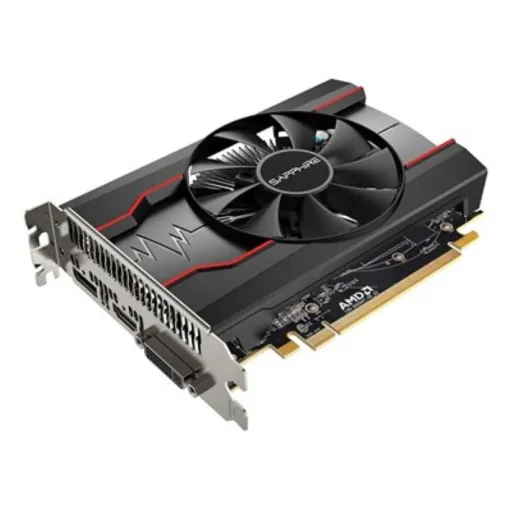
This Sapphire Radeon RX 550 PULSE is built for straightforward upgrades, rozana ke PC tasks mein reliability chahiye hoti hai. The PULSE edition focuses on efficient, no drama performance for everyday systems, jahan setup simple aur stable rehna chahiye. The GPU is based on AMD’s RX 550 platform with 4th Gen GCN design, so older PCs can gain smoother visuals without overcomplication. The 14 nm FinFET process keeps power behavior controlled, heat kam rehti hai in typical office and home usage. The PULSE cooler uses a single fan layout, which suits compact cases where airflow is limited. The official specification lists power consumption under 65W, meaning many builds can stay quiet and cost conscious. The core configuration includes 512 stream processors for entry level gaming and responsive UI work, kaam chal jata hai without pushing thermals. The overall identity is simple and focused: stable visuals, modest power, and easy integration, bilkul hassle free PC refresh
This graphics card supports three common display outputs, so multi monitor work becomes more convenient for home or office. The output layout includes 1x DisplayPort, 1x HDMI, and 1x DVI D, jisse old monitor bhi connect ho jata hai and new panels also fit. The specification also states a maximum of three outputs, which is ideal for spreadsheets, browser research, and side by side workflows. The DisplayPort resolution support is listed up to 5120×2880 at 60Hz, giving crisp workspace density when paired with a high resolution monitor. The HDMI output is listed up to 4096×2160 at 60Hz, so 4K media playback and living room screens can be handled cleanly. The DVI resolution is listed up to 2560×1600 at 60Hz, which helps when older displays are still part of the setup, kaafi common scenario hota hai. This mix of ports reduces adapter dependency, asaani se plug and play ho jata hai. The real benefit is simple connectivity confidence, where your monitor choices do not block the upgrade
This RX 550 PULSE uses 4th Gen GCN architecture, which targets efficient rendering for everyday 3D and media use. The GPU is listed as RX 550 on a 14 nm FinFET process, so performance per watt stays sensible in mainstream workloads. The core is specified with 512 stream processors, jo entry level gaming aur smooth UI ke liye kaafi practical base hai. The Sapphire listing shows a boost engine clock up to 1183 MHz, which helps keep lighter titles responsive at 1080p with tuned settings. The TechPowerUp database also identifies Sapphire’s PULSE RX 550 as a 512 core configuration under GCN 4.0, reinforcing the core class and positioning. This tier is most satisfying when expectations are realistic, rozana ke esports ya casual games settings adjust karke zyada smooth feel deti hain. The payoff is consistent interaction: faster window animations, cleaner playback, and more stable frame pacing in lighter engines. The experience feels “stable by default,” performance bohat predictable rehti hai for daily driving
This PULSE RX 550 is designed around low power draw, which directly helps heat and noise stay under control. The Sapphire specification lists power consumption as under 65W, so the card fits builds where efficiency matters more than brute force output. The same listing recommends a 400W power supply, which supports typical midrange desktops without forcing an expensive PSU swap. This kind of power profile is especially useful for older systems, jahan PSU aging aur cable limitations hoti hain. The RX 550 platform is commonly described as a low TDP class around 50W in reference style specs, which aligns with the “easy upgrade” identity for many PCs. The practical benefit shows up during long sessions, jab heat soak kam hota hai and the fan does not need to ramp aggressively. Lower power also helps small cases breathe easier, asaani se temps manageable reh jate hain. This makes the card a strong fit for productivity machines and casual gaming boxes, where stable comfort matters more than chasing ultra presets. The end result is simple: less power anxiety, less heat, and more consistent daily performance
This Sapphire PULSE RX 550 uses a single fan cooler, which is ideal when the build needs a compact and uncomplicated thermal solution. The official form factor is listed as 1.5 slot occupied, so the card can fit many mainstream cases without blocking too much space. The listed dimensions are 158(L) × 112(W) × 28(H) mm, jo tight builds aur cable management mein genuinely helpful hota hai. Compact sizing matters because airflow patterns in budget cases are rarely perfect, aur jab GPU chhota ho to intake path clean rehta hai. The Sapphire feature set calls out items like Intelligent Fan Control III, which points to a tuning approach aimed at stable, sensible fan behavior. The same features list mentions fuse protection and long life capacitors, which are small details that support peace of mind in everyday use. This cooler style is not about silent at all costs marketing, balkay predictable cooling for typical workloads. The benefit you feel is consistent clocks in light gaming and smooth desktop use, with heat kam and less distracting fan swings
This RX 550 PULSE supports modern graphics APIs that matter for daily software compatibility and older to newer system transitions. The Sapphire specification lists DirectX 12 support, which helps many contemporary games and 3D applications run on this class of hardware. The same page lists OpenGL 4.5 and OpenCL 2.0, so creative utilities and GPU accelerated tools can tap into the card where supported. This matters for practical workflows like photo exports, light design previews, and smooth browsing, kaam ka feel overall zyada refined ho jata hai. The official OS support includes Windows 11 and Windows 10 (plus Windows 7 64 bit listed), which helps when upgrading an older machine gradually. The card also lists UEFI BIOS support, which is useful for cleaner boot behavior on many modern motherboards. Compatibility is not just a checkbox; it’s the difference between “it boots” and “it feels smooth,” bilkul plug and play wali satisfaction. This is a GPU meant for dependable platform support rather than experimental tweaks. The benefit is fewer surprises across common apps, games, and display setups
This GPU class pairs well with variable refresh monitors, because smoother frame delivery reduces visual distractions in motion heavy scenes. AMD explains that FreeSync synchronizes a display’s refresh rate with the framerate, reducing artifacts like tearing and stuttering when the monitor and GPU are in sync. This becomes especially noticeable in esports and fast camera pans, jahan tearing aur micro stutter instantly annoying lagta hai. The Sapphire features list includes Radeon FreeSync technology among supported features, so the intended ecosystem is clearly highlighted for compatible displays. The same feature section references video blocks like Unified Video Decoder (UVD) and Video Code Engine (VCE), which are designed to assist media playback and video handling. For living room PCs and student machines, this can mean smoother streaming and cleaner playback behavior, asaani se media setup ready ho jata hai. The practical win is not “more FPS at any cost,” but more consistent motion where your eyes notice it. When combined with the card’s low power profile, heat kam rehti hai even during long YouTube or movie sessions. The result is a smoother screen feel and a more relaxed daily experience, especially on FreeSync capable displays
This Sapphire RX 550 PULSE uses a PCI Express 3.0 interface, which is widely compatible across many motherboard generations. The Sapphire system requirement notes a PCI Express 2.0 or higher PC with an x16 lane slot available, so older platforms can still accept the card for a meaningful graphics upgrade. The TechPowerUp entry for the Sapphire PULSE RX 550 lists the bus interface as PCIe 3.0 x8, which is common for this class and generally fine for its performance tier. This makes installation straightforward for prebuilt towers, jahan motherboard options limited hoti hain and you just need a stable drop in card. The card’s compact form factor also helps with clearance, asaani se front fans aur drive cages ke saath fit ho jata hai. The output mix reduces adapter purchases, and the power profile reduces cabling complexity, which keeps the build neat. When upgrading from integrated graphics, the experience often feels like a full system refresh because displays and UI become more responsive. This is a “clean install” type of GPU, where compatibility is the selling point as much as performance
This RX 550 PULSE is best for buyers who want practical gains, not unrealistic 4K ultra gaming expectations. TechPowerUp positions the Radeon RX 550 as an entry level card and even lists recommended gaming resolutions up to 1600×900 class tiers, which aligns with esports and lighter titles. The Sapphire product page labels the “Game Index” as eSport, so the intended usage leans toward competitive and lightweight game libraries. This makes it a strong match for games where responsiveness matters more than heavy effects, settings thori optimize karo to feel bohat better ho jata hai. The triple output design also suits office multitasking, letting you run multiple displays without a complicated workstation GPU. The under 65W power spec is ideal for budget PSUs and quieter daily operation, battery backup jaisi feeling aati hai because the system stays calm. For light tuning and monitoring, Sapphire also provides the TriXX software portal with older versions noted for RX 500 series support, giving an official path for utilities when needed. The smartest decision is to pick this card when the goal is stable displays, smooth basics, and efficient everyday use. The final outcome is a dependable upgrade that fits many PCs, bilkul practical aur balanced choice
Here's how current offers compare across retailers.