






Price Breakdown & Availability
Here's how current offers compare across retailers.
XPG Gammix S70 Blade 1TB

You Might Also Like
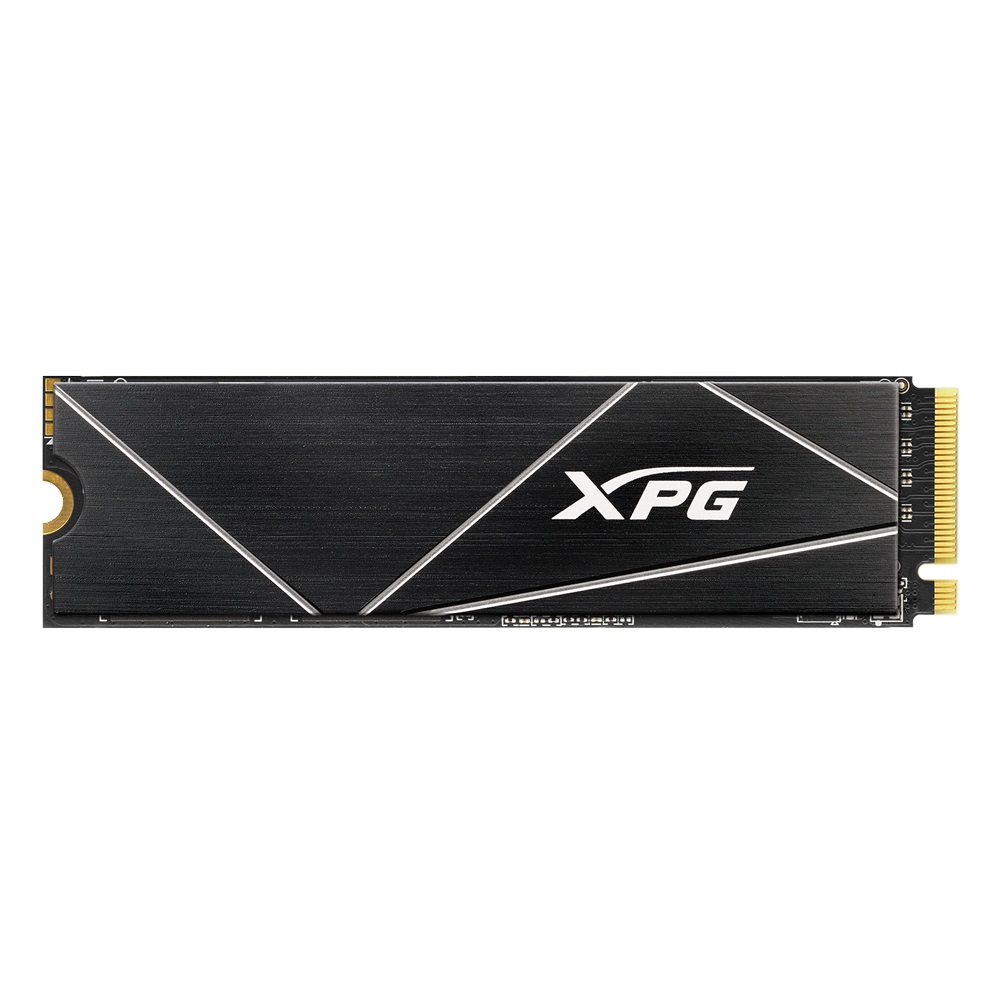
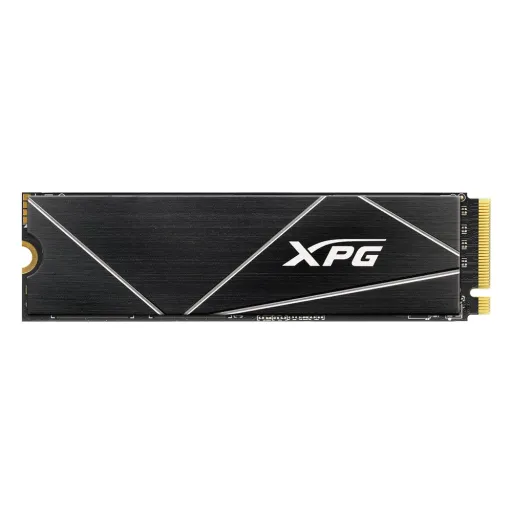
The XPG GAMMIX S70 BLADE 1TB is built for modern upgrades, bringing a PCIe Gen4x4 NVMe design with NVMe 1.4 compliance in a slim M.2 2280 form. This 1TB capacity feels like the practical sweet spot, rozana ke games, apps, aur projects asaani se handle ho jate hain without constant deleting. The PS5 ready positioning stays simple and direct, because XPG lists it as working with PS5 and many retail listings highlight it as an internal SSD option with a heatsink for console installs. The compact blade style layout fits tight builds nicely, choti cases ya slim boards mein bhi setup clean rehta hai. The overall identity leans toward fast loading gaming and responsive creation, kyun ke Gen4 bandwidth ka faida sirf benchmarks mein nahi, daily use mein bhi nazar aata hai. The aluminum heatsink focus matters for sustained performance, aur long sessions mein heat kam rehne se throttling ka risk reduce hota hai. The drive’s platform story is also straightforward, because it stays backward compatible with PCIe 3.0 for wider PC support. The result feels like a confident, practical upgrade path, jahan speed, fit, aur cooling ek hi package mein align hote hain
Everyday responsiveness improves when storage stops being the bottleneck, aur yahi woh jagah hai jahan S70 BLADE ka impact clear hota hai. The GAMMIX S70 BLADE series is marketed up to 7,400MB/s read and 6,800MB/s write, so large game files and chunky creative assets can move quickly. Real world listings and reviews for the 1TB model often show up to 7,400MB/s read and up to 5,500MB/s write, which still keeps installs and exports feeling snappy. Large patch days feel less annoying, kyun ke copying aur unpacking mein waiting time kam hota hai and the system stays responsive. The PCIe 4.0 x4 lane access gives the drive room to stretch, lekin platform support matter karta hai because Gen4 speeds need a compatible motherboard slot. Practical flexibility stays strong because the drive is backward compatible with PCIe 3.0, so older systems can still upgrade smoothly. Consistency also benefits from NVMe 1.4 features in the product positioning, which is the protocol layer that helps modern queues and parallel workloads run efficiently. Gaming load screens become less of a mood killer, rozana ke sessions mein “just one more match” ka flow break nahi hota as easily. The overall experience lands in a fast Gen4 tier, jahan speed ka faida daily friction ko genuinely reduce karta hai
Console expansion becomes easy when the requirements are clear, aur PS5 ke case mein baseline is a PCIe Gen4 x4 M.2 NVMe SSD with a recommended 5,500MB/s read speed or faster. The heatsink requirement is also emphasized in practical guides, kyun ke Sony recommends using a cooling structure so the SSD avoids thermal throttling. The S70 BLADE lines up with the PS5 narrative because XPG explicitly says it works with PS5, which reduces compatibility guesswork. Realistic console expectations stay grounded when retailers cite a measured sequential read around 6100MB/s under PS5 operating conditions, so it clears the recommended threshold comfortably. The M.2 2280 size is one of the supported PS5 form factors, is liye fitting tension kam hoti hai. Installation steps stay approachable when you follow a guide and format the drive after inserting it, aur once it’s done, games can be stored and played from the internal NVMe expansion. The 1TB capacity works well for most libraries, kyun ke aap multiple AAA titles, updates, aur captures ko ek saath manage kar sakte ho without constant juggling. The end result feels like a clean console upgrade path, jahan “storage full” wali frustration roz roz repeat nahi hoti. The biggest win is peace of mind, kyun ke specs aur use case PS5 ke requirements ke saath naturally align ho jate hain
Sustained speed depends heavily on controlling SSD temperatures, aur Gen4 drives ke saath heat management bilkul real problem ban sakta hai. The S70 BLADE includes a high temperature resistant aluminum heatsink in its design, which targets better dissipation without adding bulky height. XPG also claims the heatsink can reduce temperatures by up to 20%, which is the kind of detail that matters when long transfers or marathon gaming keep the controller under load. Thermal throttling is the silent performance killer, is liye heat kam rehna means speeds stay steadier and frame time sensitive games feel more consistent. Console installs make this even more important, because PS5 guidance highlights the need for a heatsink or cooling structure for safe operation. The slim approach helps practical fit, haath se install karte waqt clearance issues kam hotay hain and the setup stays tidy. The benefit shows up in everyday moments too, kyun ke large game installs, shader caches, and content updates can run longer than expected. Noise stays out of the equation because it is passive cooling, aur aapko extra fans ya weird brackets ki zarurat nahi hoti. The drive’s intent feels clear: deliver Gen4 class performance while keeping stability in mind, so the experience stays smooth when workloads spike. The overall thermal story supports reliability habits, kyun ke stable temps generally help components avoid unnecessary stress
Storage quality is not just about peak numbers, kyun ke NAND type aur controller behavior daily performance ko shape karte hain. The S70 BLADE is positioned as NVMe 1.4 compliant, which aligns with modern queue handling for multitasking workloads. Independent coverage of the 1TB model lists Micron 176 layer 3D TLC NAND, a TLC class that typically balances speed and endurance better than entry level QLC for heavy installs and frequent updates. That TLC choice feels practical for gamers and creators, kyun ke rozana ka writing load like patches, project caches, and exports can add up over time. Review style spec summaries also reinforce the 3D TLC identification for the 1TB variant, which helps buyers who want something more “workhorse” than “just enough.” Data path protection features are also part of the product narrative, including LDPC ECC and end to end data protection listed in XPG’s own announcement, which speaks to integrity during fast transfers. The practical benefit is fewer weird hiccups, kyun ke stable error correction and protection mechanisms help keep reads and writes consistent. The everyday experience feels refined when the drive stays responsive under mixed workloads, multitasking asaan hoti hai and the system avoids sudden slowdowns. The key takeaway is a balanced platform story: Gen4 speed on top, with TLC based storage behavior underneath for long term sanity. The result is a drive that aims to stay fast and dependable, bilkul over the top claims ke baghair, using verified platform features
Capacity feels like a daily quality of life feature, aur 1TB ka advantage tab samajh aata hai when libraries keep growing. The PS5 officially supports multiple NVMe capacities and common sizes, including 1TB drives in the expansion range, which makes this variant a natural match for console users. Game installs are not getting smaller, is liye 1TB gives you a comfortable rotation of AAA titles plus updates without constant shuffling. Creative workflows also benefit from the headroom, kyun ke raw footage, scratch disks, and project exports can eat space quickly even on a “normal” week. The M.2 NVMe expansion approach is designed to store and play PS5 games from compatible internal SSD storage, so the capacity you add directly improves what stays installed. PC usage gets the same practical lift, because M.2 2280 NVMe sticks are an easy path for expanding a boot drive, game drive, or project drive. File organization stays less stressful when there is room to breathe, rozana ke backups aur “just in case” folders bhi asaani se fit ho jate hain. The result is fewer forced decisions, kyun ke aapko har update par delete install cycle repeat nahi karna parta. Performance also stays more predictable when free space is healthier, aur drive ko cramped state mein push nahi karna parta during large writes. The overall value of 1TB is simplicity, because it supports a stable setup that feels ready for modern game sizes and daily multitasking
Physical fit matters just as much as speed, kyun ke wrong size ka SSD purchase pure upgrade ko delay kar deta hai. The S70 BLADE uses the M.2 2280 form factor, which is the most common size for many PC motherboards and also one of the supported PS5 expansion sizes. PS5 guidance lists 2280 among the acceptable form factors, so the dimensions match the console’s slot expectations. The aluminum heatsink design stays slim enough to target real world installs, haath se mounting karte waqt alignment smooth rehta hai and the final seating feels secure. The interface story stays current with PCIe Gen4 x4 positioning, jo modern AMD/Intel platforms ke saath naturally pair hota hai for best throughput. Practical flexibility also comes from backward compatibility, kyun ke PCIe 3.0 systems can still use it while accepting lower maximum performance. Installation stays straightforward because it is a single stick layout, aur cables ka jhanjhat bilkul nahi hota compared to older SATA drives. Console installation follows a clear ritual too, kyun ke you insert, screw it down, reassemble, and format in the PS5 UI. The end result feels clean in any build, chahay gaming rig ho ya living room console setup, with minimal visual clutter. This kind of compatibility is the underrated upgrade feature, because it reduces returns, rework, and “fit nahi ho raha” wali frustration
Performance upgrades feel best when they reduce friction daily, aur Gen4 NVMe ka biggest win yahi hota hai. XPG frames the S70 BLADE as up to two times faster than PCIe 3.0 SSDs and far faster than SATA in its announcement, which reflects the jump many users feel when moving from older storage. Real PC results still depend on platform and configuration, is liye “up to” numbers ko realistic expectations ke saath dekhna smart hota hai. The value becomes clearer when your workload includes large games, creative assets, or frequent installs, kyun ke slow storage repeatedly time waste karta hai. Another practical point is component variation over time, because SSD databases note multiple hardware versions can exist which may affect performance characteristics. That reality is not a deal breaker, lekin it explains why reviews and listings can show slightly different write speed ratings for the same capacity. The main buying logic stays stable: you get a Gen4 class drive, an included heatsink approach, and a widely compatible M.2 2280 footprint. PS5 users also benefit because the baseline recommendation is 5,500MB/s read speed with a heatsink requirement, so Gen4 drives are the correct class to shop in. The overall tier positioning feels sensible for long term builds, kyun ke it supports today’s game sizes and tomorrow’s workflow demands without feeling excessive. The end benefit is time saved, and time saved is the most honest upgrade metric
A good SSD upgrade should feel invisible in the best way, kyun ke everything simply opens faster and nothing gets in your way. The S70 BLADE targets that experience with PCIe Gen4 x4 and NVMe 1.4 positioning, so queues, transfers, and installs stay efficient under modern workloads. The heatsink first approach matters for both PCs and PS5 installs, kyun ke XPG highlights an aluminum heatsink designed for effective heat dissipation and PS5 guidance repeatedly stresses using a heatsink or cooling structure. The 1TB capacity keeps your setup stable, rozana ke games aur apps ko rotate karna easy hota hai without constant uninstalling. The drive’s published high end sequential claims reach up to 7,400MB/s read and up to 6,800MB/s write at the series level, while many 1TB spec listings note up to 7,400/5,500 for read/write, so expectations can be set intelligently. Built in data protection messaging also appears in XPG’s own materials, including LDPC ECC and end to end data protection, which supports confidence when moving important files. Warranty coverage is commonly listed as a five year limited warranty on retail and spec references, so long term ownership feels less stressful. The final result is a tidy, high speed storage foundation, jahan performance stable rehti hai and your system feels ready for bigger installs and heavier workloads. The overall recommendation fits buyers who want a strong Gen4 tier without extra drama, because it blends speed, cooling, and compatibility into one straightforward upgrade
Here's how current offers compare across retailers.
Review current prices and specifications side by side.