




Price Breakdown & Availability
Here's how current offers compare across retailers.

AMD Ryzen 7 5700X Tray


You Might Also Like
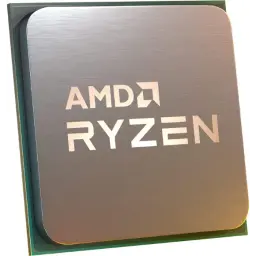
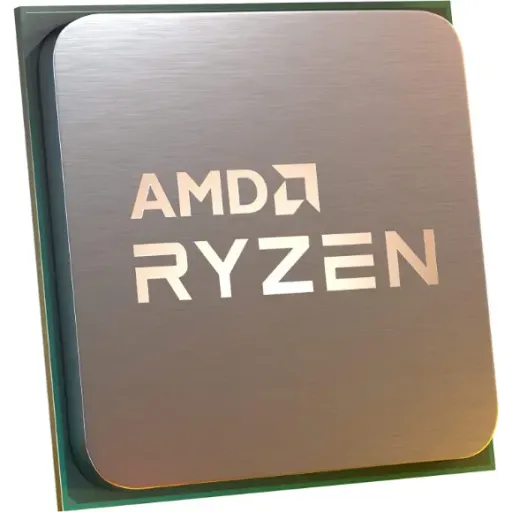
The AMD Ryzen 7 5700X Tray is designed for builders who want modern responsiveness without abandoning a proven AM4 platform, upgrade ka scene bilkul practical rehta hai. The 8 core, 16 thread layout brings the kind of parallel headroom that keeps gaming, streaming, and work tabs moving, rozana multitasking mein bhi tension kam hoti hai. The base 3.4 GHz clock and up to 4.6 GHz boost help everyday apps feel snappy, choti choti cheezon mein bhi speed nazar aati hai. The 65W TDP targets efficiency focused builds where heat and noise matter, heat kam rehta hai so fans zyada chill chalte hain. The AM4 socket fit means compatibility with a huge ecosystem of boards and coolers, asaani se swap ka plan ban jata hai. The 32MB L3 cache helps keep frequently used data close to the cores, jis se gameplay aur productivity dono smooth feel karte hain. The Zen 3 “Vermeer” design is widely known for balanced single core and multi core behavior, isliye mixed use mein performance bohat stable lagti hai. The tray variant focuses on the CPU itself for system integrators and custom builders, jahan packaging ki zarurat kam hoti hai and parts selection pe control zyada hota hai
The 7nm manufacturing process helps keep performance efficient for daily loads, jis ka direct faida lower temps aur steady clocks learnay ko milta hai. The Zen 3 architecture is tuned for strong instructions per clock behavior, so lighter tasks feel immediate, app khulte hi response aa jata hai. The Vermeer chiplet approach pairs a compute die with an I/O die, which helps the platform scale cleanly, aur overall experience refined rehta hai. The 32MB shared L3 cache supports fast game asset access and smoother compilation or export steps, kaam ke beech mein waiting kam hoti hai. The total cache figure is often cited as 36MB when L2 is included, which reflects the broader on chip storage available for bursts, especially mixed workloads mein. The 65W class positioning is a key differentiator versus higher TDP 8 core options, power draw controlled rehta hai and cooling budgets ko bhi relief milti hai. The slightly lower clocks versus Ryzen 7 5800X are part of that efficiency target, so sustained loads feel consistent without aggressive heat spikes, long sessions mein bhi. The result is a CPU personality that favors stable, repeatable output over flashy power numbers, bilkul aisa profile jo everyday builders ko suit karta hai. The AM4 maturity also means tuning knowledge is widespread, so finding a sweet spot is straightforward, thori si tweaking se bhi output clean ho jata hai
The boost up to 4.6 GHz helps games stay responsive in moment to moment scenes, aim aur movement mein smoothness feel hoti hai. The 8 core / 16 thread layout also supports modern game engines plus background apps, streaming ya Discord ke sath bhi lag nahi hota. The Vermeer design brings PCIe Gen 4 connectivity on supported platforms, which pairs well with fast NVMe storage and modern GPUs, load times aur texture streaming mein bhi asaani hoti hai. The 65W TDP profile keeps thermal behavior calmer than 105W class parts, heat kam rehta hai so clocks often feel less stressed in typical gaming loads. The Ryzen 7 5700X is described as very close to the Ryzen 7 5800X in core makeup but trimmed in clocks and power, which makes it attractive when efficiency matters, especially compact cases mein. The large L3 cache can help minimum frame rates by reducing memory round trips, jis se stutter ka chance low hota hai in busy scenes. The platform’s DDR4 support also means you can reuse quality memory kits, budget ka pressure kam hota hai while keeping performance steady. The gaming experience ultimately depends on the GPU pairing, lekin CPU side par yeh chip aapko solid baseline deta hai for high refresh play. The no iGPU reality means a discrete graphics card is required, GPU lagana zaroori hai for any display output
The 16 threads give creative apps room to breathe during rendering, encoding, and large batch operations, kaam ke flow mein rukawat kam hoti hai. The 8 physical cores also handle mixed workloads well, so timelines, browsers, and file transfers can stay active together, multitasking asaan ho jati hai. The 32MB L3 cache supports data heavy workloads where repeated access matters, jis se compilation ya photo processing mein responsiveness better rehti hai. The official DDR4 3200 support provides a stable memory baseline for creators who want predictable behavior, settings simple rakho to stability bohat solid lagti hai. The AM4 ecosystem makes it easy to pick a board with the I/O you actually need, jese zyada USB, multiple M.2 slots, ya capture card friendly layout. The 65W TDP matters in creator rigs that run long sessions, because sustained work can otherwise turn into fan noise fatigue, heat kam aur shor bhi low. The Zen 3 platform is frequently treated as a mature, reliable baseline for productivity and gaming blends, isliye daily professional use mein confidence milta hai. The lack of integrated graphics is important for workstation planning, kyun ke display output aapko GPU se hi lena hoga. The tray format also fits production workflows where builders already standardize on coolers and packaging is secondary, asaani se multiple builds handle ho jati hain
The 65W TDP is a practical target for quiet builds, jis se air cooling bhi aram se kaam kar leti hai. The processor is commonly listed without an included thermal solution, so cooler selection becomes part of the build plan, apni pasand ka cooler choose karna hota hai. The Newegg listing also emphasizes “Cooling device not included,” which aligns well with custom airflow and AIO setups, especially jab aap pehle se hi aftermarket cooler use karte ho. The Zen 3 boost behavior responds to temperature and power headroom, so a decent cooler can help sustain higher clocks in longer sessions, thoda sa thermal headroom bohat fark daal deta hai. The 65W class also makes small form factor planning easier, because case airflow constraints feel less punishing, heat kam rehta hai even with compact layouts. The 90C maximum temperature spec is a useful reference point for safe operation expectations, but real world comfort usually comes from staying well below it, especially long renders mein. The unlocked nature means tuning can raise power draw, so pairing a stronger cooler keeps things stable when experimenting, overclocking ka shoq ho to cooling ko serious lo. The overall goal is predictable temperatures with minimal fan ramping, taake room mein noise fatigue na ho. The tray approach fits that mindset because it prioritizes component choice, bilkul builder centric setup for controlled thermals
The AM4 socket support is the headline advantage for upgrades, kyun ke existing boards aur coolers ka reuse possible hota hai. The CPU is associated with the Vermeer Zen 3 family, which is widely paired with AMD 400 and 500 series chipsets, so motherboard options remain broad, choice kafi zyada mil jati hai. The PCIe Gen 4 link is a key platform feature for many AM4 boards, enabling high speed NVMe drives and modern GPU bandwidth paths, storage fast ho to system bhi snappy lagta hai. The DDR4 3200 memory support gives a stable baseline for plug and play performance, asaani se XMP/DOCP set karke system ready ho jata hai. The Micro Center spec sheet also lists DDR4 3200 and the 8 core/16 thread config, which is handy when matching parts quickly, build planning fast ho jata hai. The mature AM4 ecosystem means BIOS updates are common for best compatibility, so checking board support is a smart pre step, thori si homework se headaches bach jate hain. The 65W profile also suits midrange VRM designs well, so you can prioritize features like extra M.2 slots or better audio, rozana comfort wali cheezen matter karti hain. The absence of integrated graphics affects platform choices if troubleshooting without a GPU is important, kyun ke display aapko dedicated card se hi milega. The end result is a balanced upgrade lane that keeps costs controlled while modernizing the CPU core, bilkul sensible path for AM4 owners
The unlocked multiplier is a practical feature for enthusiasts, kyun ke aap apni cooling aur silicon ke hisaab se tuning kar sakte ho. The TechPowerUp database explicitly lists the multiplier as unlocked, which supports traditional overclocking and also lighter tuning approaches, jese undervolt ya curve style adjustments. The Zen 3 boost strategy is designed to scale with temperature and power limits, so better cooling can translate into more consistent boost behavior, heat kam ho to performance stable rehti hai. The 65W baseline is friendly for efficiency first tuning, because you can chase quiet operation without sacrificing core count, silent build ka dream asaani se real hota hai. The comparison framing often highlights how close it is to Ryzen 7 5800X but with lower power and slightly lower clocks, which makes tuning feel purposeful rather than risky, especially long sessions mein. The PPT figure is commonly referenced for understanding real power behavior under boost, so monitoring tools can help keep the system in a comfortable zone, monitoring se confidence milta hai. The practical win from tuning is often better sustained clocks at acceptable noise levels, fan curve bhi smooth ho jati hai and the room stays calm. The tray format pairs well with this because builders typically already own a capable cooler, isliye “stock cooler” ka dependency nahi rehta. The safest tuning approach keeps stability first, kyun ke daily reliability hi woh cheez hai jo time save karti hai over the long run
The “Tray” label typically indicates OEM style distribution rather than full retail packaging, yani box aur extras ka focus kam hota hai. The functional CPU is the same when the model number matches, but the big difference is often warranty handling through the seller or system provider, bilkul yahi main point hota hai for tray parts. The Newegg listing for this CPU highlights that the cooling device is not included, which is consistent with tray/OEM expectations, so a compatible cooler must be planned separately. The same listing also points buyers toward contacting the seller for warranty information, which reinforces the tray workflow, warranty ka scene usually reseller handle karta hai. The practical upside is flexibility for builders who already have a preferred air tower or AIO, apni marzi ka cooler choose kar ke performance ko stable rakhna easy hota hai. The tray purchase style can also reduce packaging waste and simplify bulk build logistics, especially small studios ya system integrators ke liye. The key is planning the full build checklist up front, taake mounting hardware, thermal paste, and airflow all match the 65W target. The 5700X model characteristics remain the same regardless of packaging, including 8 cores, 16 threads, and up to 4.6 GHz boost, so performance expectations stay consistent. The best tray experience comes from buying through a reputable channel with clear return policy, asaani se issue resolve ho jata hai if anything goes wrong. The end result is a builder first purchase style that rewards preparation, bilkul un logon ke liye jo custom parts selection enjoy karte hain
The Ryzen 7 5700X sits in a sweet spot for people who want an 8 core Zen 3 experience on AM4, upgrade worth it lagta hai when the rest of the system is still solid. The official launch positioning emphasized up to eight cores and sixteen threads with mainstream friendly power, which matches the practical 65W profile builders often prefer, especially everyday use mein. The up to 4.6 GHz boost and 3.4 GHz base clocks aim for both responsiveness and sustained output, so you get quick UI feel plus real multi thread capacity, bilkul balanced approach. The 32MB L3 cache is a strong fit for gaming and productivity mixes, helping reduce latency sensitive stalls, jis se system “fast” feel karta hai even when workloads shift. The PCIe Gen 4 capability on the Vermeer platform keeps storage and GPU pairings modern, so the build does not feel stuck in an older I/O era, future friendly feel rehti hai. The lack of integrated graphics is the one non negotiable planning point, because a discrete GPU is required for display output, GPU ka arrangement pehle se clear rakho. The tray variant is especially logical when an aftermarket cooler is already part of the plan, so the purchase stays focused on the silicon and the build goals, asaani se optimized setup ban jata hai. The overall experience targets stable performance per watt rather than extreme peak numbers, which is why it remains a sensible AM4 refresh choice today, rozana ke use mein bilkul reliable. The final decision becomes simple when the goal is a smooth, cool running 8 core foundation, jahan gaming, work, aur multitasking sab ek hi machine par confidently handle ho sake
Here's how current offers compare across retailers.
Review current prices and specifications side by side.