






Price Breakdown & Availability
Here's how current offers compare across retailers.

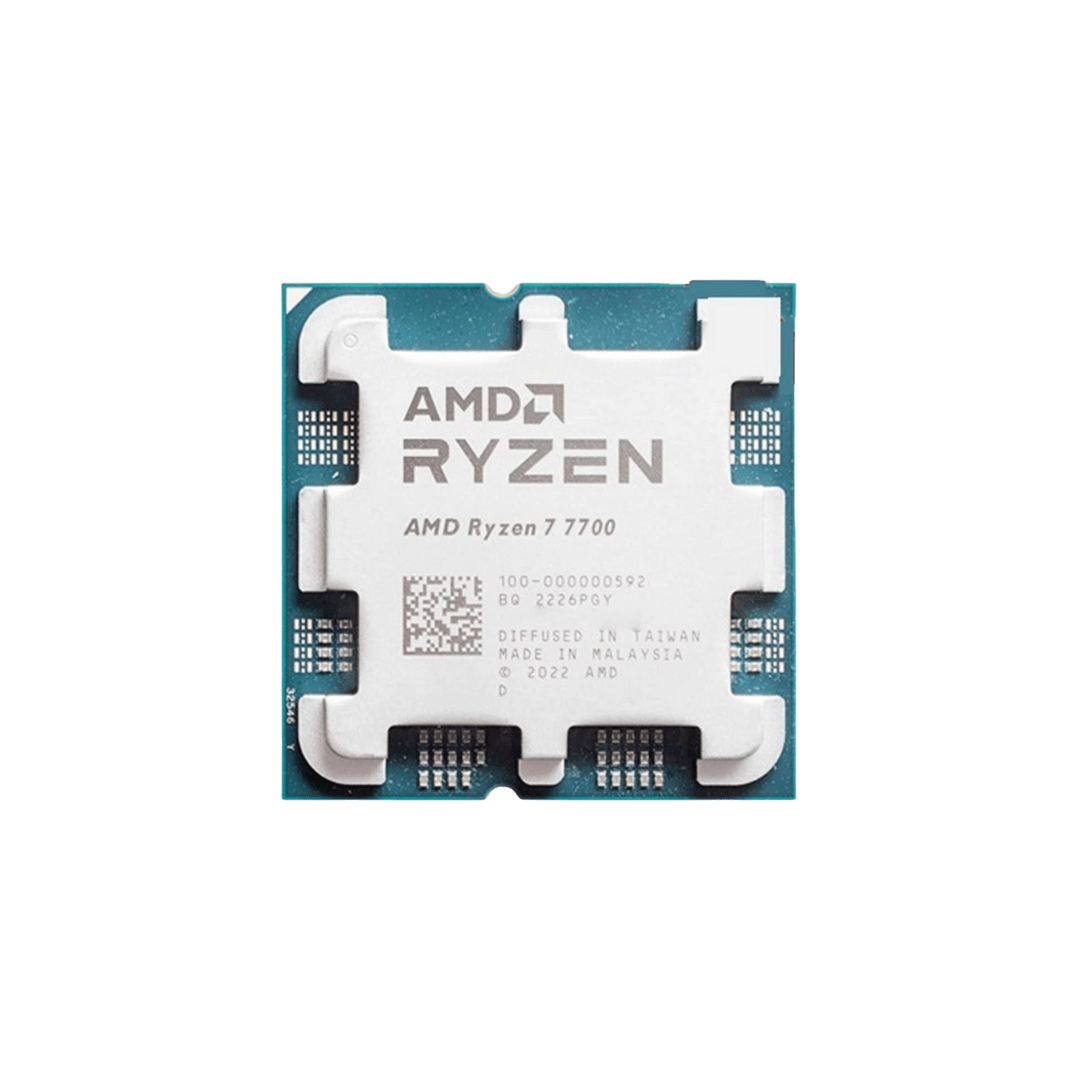
AMD Ryzen 7 7700 Tray


You Might Also Like
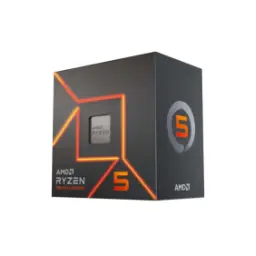
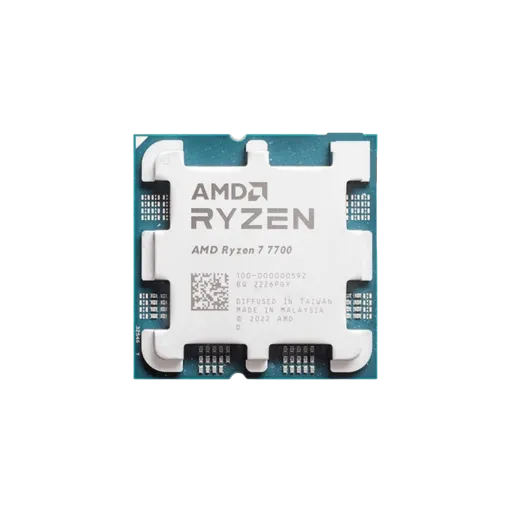
This Ryzen 7 7700 Tray is built for balanced speed, especially when you want high end responsiveness without chasing extreme wattage. The CPU brings 8 cores and 16 threads, so rozana ka multitasking smooth rehta hai even when apps stack up. The 65W default TDP keeps thermals easier to manage, which helps quieter fan curves and heat kam feel in everyday rooms. The Zen 4 “Raphael” platform focus means you get modern instruction support and an updated desktop foundation, lekin setup still stays practical for typical gaming and work rigs. The AM5 socket choice matters because it aligns you with current AMD chipsets and DDR5 era boards, so aap ka build future friendly direction mein chala jata hai. The tray variant is especially appealing for system builders who already have a preferred cooler and case airflow plan, bilkul apni marzi ka thermal setup. The overall identity here is “efficient performance,” meaning you can chase high FPS consistency and fast creator workflows without turning your PC into a space heater
This processor uses AMD’s AM5 socket, which opens the door to a modern motherboard ecosystem with today’s mainstream features. The platform supports DDR5 memory, aur DDR5 ka bandwidth multitasking aur content creation mein naturally help karta hai. The official rated memory speed is listed as DDR5‑5200 on common spec sources, so stable tuning starts from a solid baseline. The CPU also supports PCIe Gen 5 connectivity, which is useful when you want faster next gen storage or extra platform longevity, upgrade ka plan asaan ho jata hai. The AM5 chipset lineup spans tiers like X670E/X670 and B650E/B650, so you can match features to budget without breaking compatibility. The big benefit for builders is planning flexibility, kyun ke storage, GPU, and USB needs time ke saath change hoti rehti hain. The end result is a platform that feels current in 2026 era build logic, while still being straightforward to assemble and maintain
This Ryzen 7 7700 runs at a 3.8GHz base clock, and that baseline helps keep general desktop speed consistent under mixed loads. The max boost clock reaches up to 5.3GHz, jis se game loading, UI response, and quick tasks zyada “instant” feel hotay hain. The boost behavior is designed to scale with workload and thermals, so light tasks often feel very fast without needing manual tuning. The practical benefit is smoother frame delivery in many titles when paired with a capable GPU, aur stutter ki tension kam hoti hai because the CPU keeps feeding the pipeline. The 65W class positioning also supports an efficiency first build style, which is ideal when you want performance that stays stable over long sessions. The AM5 ecosystem additionally makes memory overclocking approaches like AMD EXPO part of the conversation, toh tuning karna ho to it can be simpler on supported kits. The outcome is a CPU that feels quick in the moments you notice most, while staying controlled when the workload becomes heavy
This CPU delivers 8 cores with simultaneous multithreading for 16 threads, which directly benefits creators and heavy multitask users. The extra threads help background tasks stay in their lane, is liye Discord, browser tabs, aur recording sab saath chal sakte hain. The real world win is smoother context switching, because the system can keep multiple active workloads moving without constant “catch up.” The 8C/16T layout also fits modern game engines well, jahan streaming, voice, and game logic parallel run hotay hain. The AM5 platform’s DDR5 support adds more throughput headroom, so memory heavy creative projects feel less cramped in many typical builds. The processor is also listed as multiplier unlocked on common spec sheets, which gives enthusiasts the option to experiment when cooling and silicon allow, lekin stock behavior already feels very polished. The broader Ryzen 7000 story includes modern features like AVX‑512 support, which can matter for certain compute heavy apps and niche workflows. The final experience is a system that stays responsive, even when your day switches from gaming to editing to meetings
This Ryzen 7 7700 is rated at a 65W default TDP, which sets a strong expectation for efficiency focused desktop builds. The lower TDP class makes cooling and case airflow simpler, aur heat kam rehta hai compared to higher wattage parts in the same generation. The practical benefit is quieter sustained performance, because fans can run at calmer profiles during long work sessions. The CPU still boosts up to 5.3GHz when conditions allow, so you get bursts of speed without living at high power all the time. The AM5 platform also supports modern chipsets with different lane and I/O mixes, letting you pick boards that match your thermals and cable routing goals, bilkul clean build ban jata hai. The rated maximum operating temperature is commonly listed at 95°C, so the CPU is engineered to manage boost behavior within defined limits. The result is an efficiency profile that suits compact cases and everyday rooms, while still delivering premium tier responsiveness for most users
This processor includes 32MB of shared L3 cache, which helps keep frequently used game and app data closer to the cores. The bigger cache can reduce trips out to system memory, is liye frametime consistency aur app smoothness often feel better in real use. The cache story also pairs with the Zen 4 design approach, where L2 cache is 1MB per core as listed on major spec databases, helping short burst workloads stay responsive. The practical outcome is quick UI behavior when you are bouncing between tabs, files, and tools, bilkul lag nahi hota in normal workloads. The 8 core setup benefits from that shared L3 pool, because multiple threads can access a sizable cache without excessive contention. The platform also supports DDR5, which complements cache by improving bandwidth for bigger datasets when they do spill out to RAM. The end result is a CPU that feels composed in both gaming and productivity, where those small “micro pauses” matter a lot more than peak numbers on a spec sheet
This Ryzen 7 7700 includes integrated Radeon Graphics, which is extremely practical for first boot setup and troubleshooting. The iGPU means you can get display output even before installing a discrete GPU, aur yeh builder ke liye bohat convenient hota hai. The Ryzen 7000 desktop family introduced integrated RDNA 2 graphics on the I/O die as a platform feature, which helps reduce “no display” panic during upgrades. The graphics configuration is commonly listed as 2 graphics cores with up to 2200 MHz graphics frequency on detailed retail spec pages, which is enough for desktop visuals and basic media workflows. The integrated option is not positioned as a gaming replacement for a dedicated GPU, lekin emergency backup aur quick diagnostics ke liye it’s a real quality of life feature. The benefit is smoother PC ownership, because BIOS updates, driver checks, and display testing become simpler when you always have a fallback path. The overall experience feels more reliable, especially for users who build and upgrade frequently
This listing is for a tray/OEM style CPU, which is commonly sold as a processor only option aimed at system builders and volume channels. The tray designation is explicitly shown on distributor style listings, aur yeh signal deta hai ke packaging retail box jaisi nahi hoti. The key advantage is flexibility, because you can pick an AM5 cooler that matches your case airflow and noise goals, bilkul apni requirement ke mutabiq. The important buying note is that tray processors often have warranty handling through the system integrator or reseller rather than a direct boxed customer flow, so purchase source matter karta hai. The boxed Ryzen 7 7700 is marketed as including the AMD Wraith Prism cooler, which is great for many users who want an out of box solution. The tray variant may differ in what accessories are provided, is liye cooler aur bracket expectations ko checkout se pehle confirm karna smart hai. The result is a cleaner, builder friendly purchase path when you already know your cooling plan and want maximum control
This Ryzen 7 7700 Tray sits in a sweet spot where daily speed feels flagship tier, while overall efficiency stays disciplined for long term comfort. The CPU combines 8 cores, 16 threads, and up to 5.3GHz boost potential, so performance bohat stable rehti hai across mixed gaming and productivity days. The AM5 platform foundation brings DDR5 and PCIe 5.0 into your build plan, which helps keep storage and GPU upgrades straightforward over time. The chipset lineup gives a wide range of board options, from mainstream B series to feature rich X series, so aap apni needs ke hisaab se select kar sakte hain. The integrated Radeon Graphics adds a practical safety net, which makes the ownership experience less fragile during upgrades and troubleshooting. The final takeaway is simple: this is an efficiency first AM5 CPU that still feels fast in the moments you notice most, and it rewards careful builders who want clean thermals, smooth multitasking, and a modern platform direction
Here's how current offers compare across retailers.
Review current prices and specifications side by side.