
Price Breakdown & Availability
Here's how current offers compare across retailers.
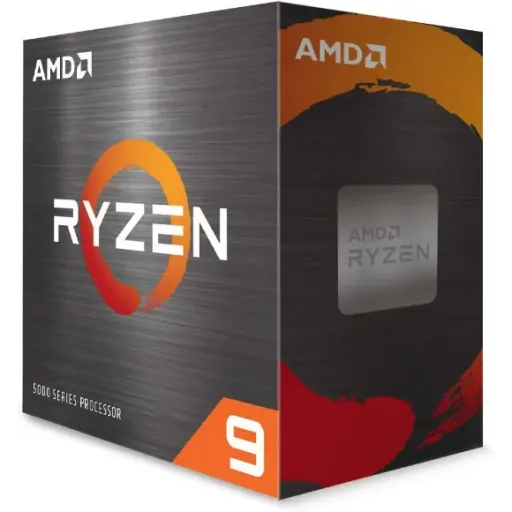
AMD Ryzen 9 5950X



You Might Also Like
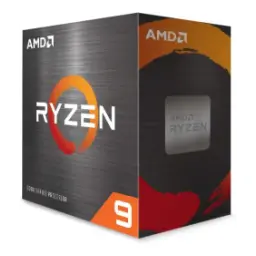
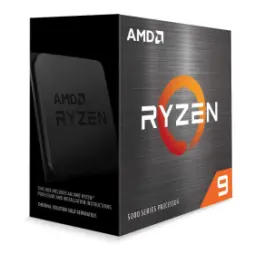
For high end AM4 builds, the AMD Ryzen 9 5950X targets users who want flagship multi core strength without moving to a new platform. This desktop CPU brings 16 cores and 32 threads, rozana ke heavy workloads mein, so big projects keep moving instead of piling up. The Zen 3 “Vermeer” design is built for real throughput, kaam ka pressure ho ya creative rush, and it still fits the familiar AM4 socket. The default 105W TDP keeps performance ambitious but practical, heat kam rakhne ke liye, when paired with a capable cooler and sensible airflow. The processor ships without an included thermal solution, is liye cooler selection pehle plan karna smart hota hai, especially for sustained renders. The platform expects a discrete graphics card for display output, agar GPU nahi hai to screen output nahi milega, which matters for first time builders. The base clock starts at 3.4GHz for steady all day consistency, aur load ke mutabiq boost behavior naturally adjust hota rehta hai. The max boost clock can reach up to 4.9GHz, so everyday actions like exports, filters, and UI navigation stay quick and responsive. The overall feel stays composed under stress, multitasking asaan hoti hai, and the PC keeps its “fast” personality even when several apps are open
For that instant “fast PC” feeling, Zen 3 matters because a lot of everyday work is still limited by single thread efficiency, jo lag ko kam karta hai. The Zen 3 core delivered a massive 19% IPC uplift over Zen 2 in detailed analysis, is ka matlab same clocks par zyada output, and that helps both games and creation apps. The core improvements also include load/store and cache facing changes, choti choti latency wins mil kar, which reduce the “random hiccup” feeling in complex sessions. The Ryzen 9 5950X is positioned as mainstream platform muscle, workstation jaisi breath milti hai, while keeping normal DDR4 and typical desktop boards in the build. The practical benefit shows in creative workflows, jab timeline scrub ya preview caching hoti hai, because UI interactions don’t feel like they pause to think. The same uplift helps competitive titles too, input response tight lagta hai, and frame pacing becomes easier to maintain with less background interference. The architecture changes also bring updated ISA and security related tweaks, stability wali feel aati hai, which suits machines that run long hours. The result stays balanced at stock settings, agar aap tuning na bhi karein, because the silicon is already optimized for high real throughput. The big takeaway remains simple, Zen 3 makes the 5950X feel quick per core, not only “many cores on paper.”
For mixed daily workloads, clock behavior decides real speed because sometimes one app needs peak burst, aur kabhi sab kuch parallel chal raha hota hai. The Ryzen 9 5950X is rated at a 3.4GHz base clock, jo sustained loads mein ek stable floor deta hai, so long exports and compiles stay predictable. The chip can boost up to 4.9GHz in lighter or bursty moments, meaning app launches, brushes, and viewport moves feel immediate in real use. The boost ceiling is not a fixed promise, cooling aur motherboard limits pe depend karta hai, so better cooling often keeps performance smoother for longer. Independent testing notes strong frequency behavior even under heavier load, agar cooling theek ho, which is exactly what creators want for long render sessions. The max operating temperature is listed at 90°C, is liye airflow aur paste ko serious lena chahiye, to avoid unnecessary fan noise. The processor is unlocked for overclocking, lekin practical users aksar stability first settings rakhte hain, because consistent output beats risky peak numbers. Real world gaming plus background tasks can feel smoother, jab Discord, browser, aur stream tools saath chal rahe hon, because the CPU has enough headroom. The tuning journey stays approachable for enthusiasts, thori si BIOS planning se, while the stock experience already feels strong
For workloads that bounce across data sets, cache size can matter as much as raw GHz because memory trips cost time, aur lag ka feel yahin se aata hai. The Ryzen 9 5950X includes 64MB of L3 cache, which helps keep frequently used data closer to the cores for smoother gaming and creation. The chip also lists 8MB of L2 cache, so mid level data stays accessible without forcing constant DDR4 fetches in heavy scenes. The Zen 3 layout also changed how cores share cache resources, asaani se access improve hota hai, which can reduce latency spikes when many threads are active. Large L3 capacity tends to help with complex projects, jab aap multiple layers, plugins, ya large codebases open rakhte hain, because more working data remains “nearby.” This cache headroom can also steady minimum FPS, especially when a game engine streams many small assets, bilkul stutter like moments kam hotay hain, while the system stays responsive. The day to day benefit feels like fewer micro pauses, alt tab smooth lagta hai, and heavy browser sessions stop feeling heavy. The overall experience becomes more consistent, meaning the “fast” feeling holds longer across a week of real work. The cache story here is simple, more on die capacity helps the 5950X stay fluid under pressure
For a balanced upgrade build, platform features matter because storage and GPU bandwidth shape the whole PC’s feel, aur bottleneck aksar yahin hota hai. The Ryzen 9 5950X uses the AM4 socket and supports PCIe 4.0, so modern NVMe drives and GPUs can run at high bandwidth with the right board. AMD describes AM4 chipsets as enabling DDR4 and PCIe 4.0 for NVMe and graphics, which keeps the platform relevant for fast everyday workflows. The X570 and B550 chipset families are commonly paired here, jahan PCIe 4.0 ready lanes se, faster scratch disks and quick load times become easy to build around. Practical platform differences can still matter, agar aap extra M.2 slots aur add on cards chahte hain, because X570 offers more PCIe 4.0 capability through the chipset than B550. For most single GPU setups, PCIe 4.0 mainly feels like faster storage responsiveness, rozana ke use mein, as apps load assets and project files quickly. The mainstream board friendliness stays a big win, meaning builders can focus budget on cooling, RAM, and SSD instead of forcing an expensive platform jump. The connectivity story also stays simple, PCIe 4.0 gives more headroom for modern components without making the build complicated. The result is a PC that boots fast, loads fast, and stays ready for bigger files later
For everyday smoothness, memory stability matters because it affects everything from game frame times to compile speed, aur random crashes ka risk bhi yahin se hota hai. AMD lists DDR4 support with a system memory specification up to 3200 MT/s, so the 5950X has a clear native baseline for reliable builds. AMD positions the AM4 platform around DDR4 memory alongside modern connectivity, which keeps RAM sourcing easy and mature for builders. Retail technical listings also highlight DDR4 3200 compatibility with supported motherboards, asaani se pair ho jata hai, so you can choose capacity first and tune later. Practical performance often improves when memory is configured correctly, jab DOCP/XMP profiles enable hotay hain, because the CPU can feed its cores more efficiently. Strong multi thread CPUs also benefit from well tuned RAM in creator tasks, timeline caching better hoti hai, while big projects avoid extra waiting during imports and previews. The platform choice also keeps upgrade paths simple, meaning DDR4 kits can move across AM4 boards when features or I/O needs change. The overall outcome feels refined, lag nahi hota, and the PC stays dependable for long work sessions. The memory story here stays practical, DDR4 3200 is a proven baseline that supports both stability and performance
For long sessions, power and thermals decide whether performance stays consistent or slowly fades, aur fan noise bhi yahin decide hoti hai. AMD specifies a 105W default TDP, giving builders a clear target for cooling planning without treating the CPU like an extreme power hog. AMD also lists TSMC 7nm FinFET for the CPU cores, which supports strong performance per watt when settings remain sensible and airflow is clean. The maximum operating temperature is shown as 90°C, is liye case airflow aur cooler mounting bilkul solid hona chahiye, to keep boost behavior comfortable. AMD notes that a thermal solution is not included, meaning cooler budgeting is part of the build, aur yeh decision performance ko direct affect karta hai. AMD even recommends a liquid cooler for optimal performance, jo sustained loads mein clocks ko steadier rakh sakta hai, especially in creator heavy workflows. Independent commentary also points out that real consumption can rise when the CPU boosts hard, so smart cooling keeps the system quiet and stable. With a good cooler, the chip can feel surprisingly controlled, heat kam lagti hai, and performance remains consistent across long renders and all day multitasking. The end result is simple, manageable thermals let the 5950X keep its speed without constant tweaking
For creators and developers, more threads matter when projects stack up because parallel work saves real hours, aur deadlines mein yahi farq aata hai. The Ryzen 9 5950X combines 16 cores with 32 threads, so rendering, compiling, encoding, and background tasks can run together without making the PC feel stuck. Major reviews highlight its strong productivity positioning and broad performance leadership, kaam wali apps mein, while still delivering excellent gaming results for a mixed use machine. Tech reviewers also framed it as bringing HEDT like multi core muscle to the mainstream desktop, matlab heavy workflows ab normal boards par possible hain, without special platforms. The CPU is unlocked for overclocking, lekin most users can stay stock and still feel fast because the baseline performance is already high. Fast platform I/O supports creator habits too, as PCIe 4.0 storage can keep cache and scratch files quick when projects get large. The large core layout also helps streamers, jab game + encode + browser scenes saath chal rahe hon, because spare threads keep the foreground smooth. The day to day feel becomes more organized, multitasking asaan hoti hai, and background jobs stop hijacking the system. The overall takeaway stays practical, this CPU is built for people who actually run heavy parallel workloads
For AM4 owners, the 5950X can be a meaningful upgrade because it keeps the same socket while raising both core count headroom and everyday responsiveness. Platform guidance shows AM4 chipsets built around DDR4 and PCIe 4.0, so builders can modernize storage and I/O while staying on a mature ecosystem. Compatibility can still require planning, kyun ke older boards ko BIOS update chahiye hoti hai, and support varies by model and vendor. Reviews also note the appeal of dropping high end performance into mainstream motherboards, jis se total build complexity kam hoti hai, while you still get strong results. The PCIe 4.0 path is especially useful for one fast GPU and one fast NVMe, rozana ka boot aur load time noticeable improve hota hai, without extra platform cost. Builders should also remember the chip has no integrated graphics, is liye discrete GPU must hai, so troubleshooting and first boot plans should include a graphics card. Cooling decisions should be part of the upgrade checklist, kyun ke cooler box mein include nahi, and AMD recommends strong cooling for optimal performance. The purchase decision becomes clearer with this mindset, keep the AM4 investment, gain flagship tier compute, and build a system that stays comfortable under real workloads
Here's how current offers compare across retailers.
Review current prices and specifications side by side.