

Price Breakdown & Availability
Here's how current offers compare across retailers.
You Might Also Like
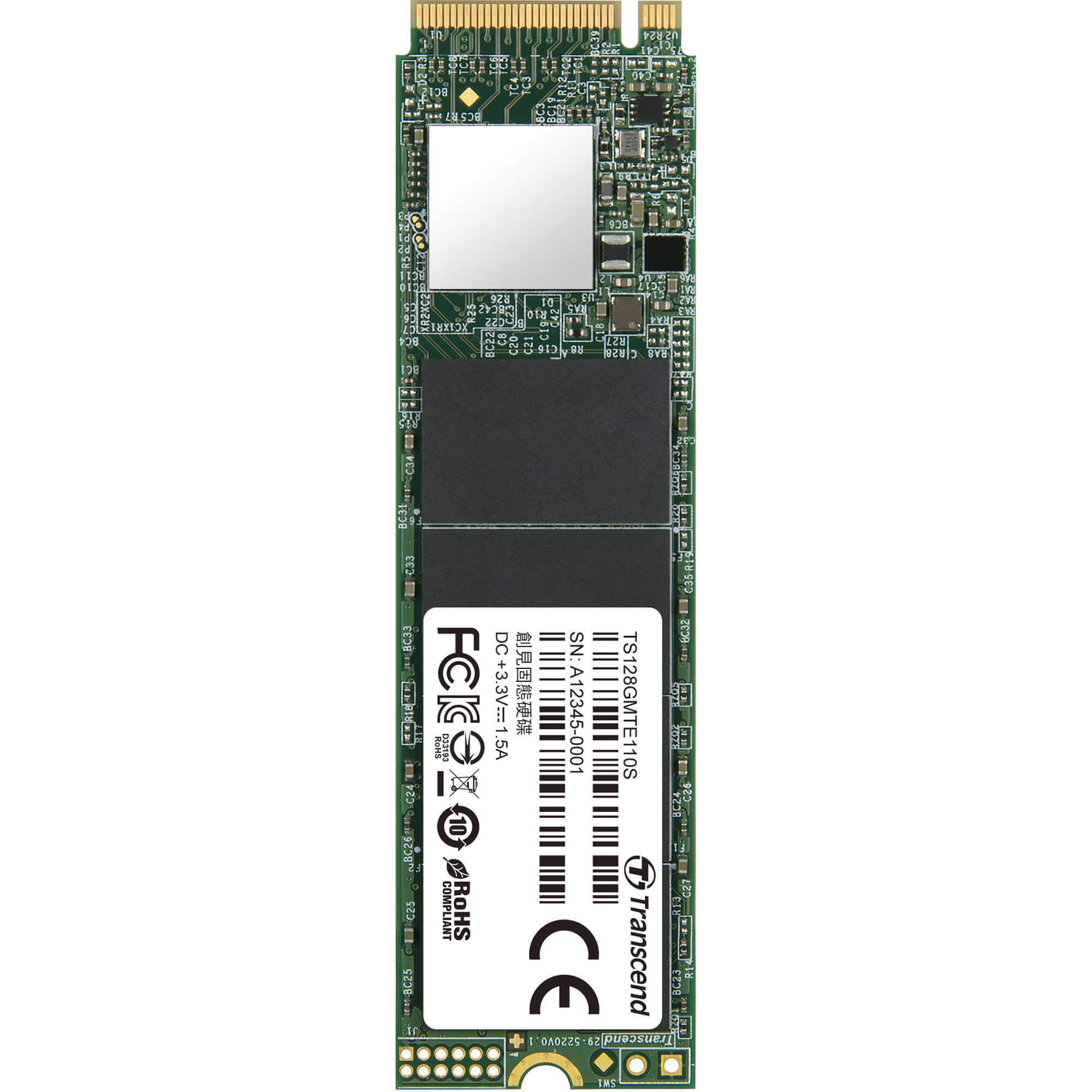
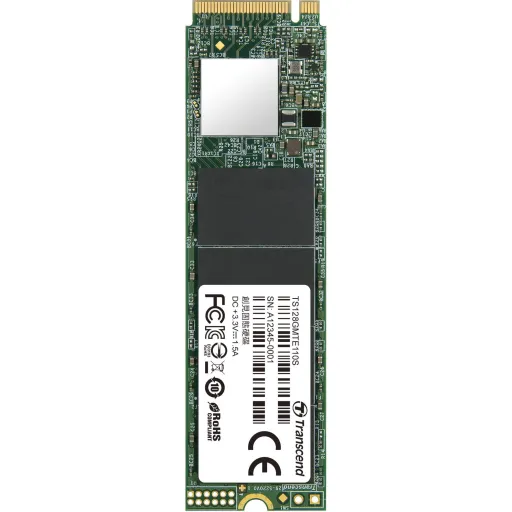
Transcend 110S 128GB is made for fast everyday upgrades, rozana ke kaam mein system zyada responsive feel hota hai, and app launches stop feeling sluggish. The drive comes as an M.2 2280 module, so cable clutter bilkul nahi hota, and the install looks tidy inside a laptop or desktop. This SSD uses a PCIe Gen3 x4 interface, meaning it can move data across four lanes for higher throughput than SATA in many real setups. This variant is commonly identified as TS128GMTE110S, which helps when matching the right capacity and rating for a build. The NVMe 1.3 support keeps command handling modern, is wajah se multitasking ke dauran storage bottleneck kam hota hai, and the PC stays snappy under mixed loads. Instead of selling only peak numbers, this drive focuses on the “feel” of speed, jahan boot, login, and daily productivity tasks become smoother. The 3D NAND foundation also targets reliability, so you get speed with stability in the same compact stick
PCIe Gen3 x4 gives the drive four data lanes, jis se read/write requests parallel process hoti hain, and the system can breathe under heavier I/O. Transcend positions the 110S/112S family for high end tasks like production and gaming, so it is designed to avoid the “system lag” feeling during sustained use. The NVMe 1.3 standard is explicitly listed for this line, which matters when you want lower latency storage behavior versus older controller stacks. Many modern motherboards and laptops support full x4 lanes, lekin kuch boards M.2 slot ko x2 par run kar dete hain, and that can cap performance even on fast drives. For buyers who want a simple rule, the best experience comes when the M.2 slot is NVMe capable and wired for PCIe lanes, so the SSD can stretch its legs. This model is an M.2 2280 type, which is the common 80mm length used across mainstream machines. In day to day usage, that combination makes file indexing, browser cache writes, and app updates feel less “heavy,” rozana ke background tasks bhi asaani se chal jate hain. The end result is a platform upgrade that improves the entire system’s pacing, not just one benchmark run
The 128GB Transcend 110S is rated up to 1,500 MB/s sequential read and 550 MB/s sequential write, so OS tasks and common file work feel quick without drama. The same 128GB capacity is also listed with up to 95,000/130,000 4K random read/write IOPS, which helps with small file behavior, rozana ke app opens aur updates mein. Transcend builds in SLC caching to accelerate transfer bursts, matlab short writes aur installs zyada responsive feel hotay hain, and the system stays lively during quick copy or patch jobs. The 110S/112S family scales in performance with larger capacities, where Transcend markets up to 2,500 MB/s read and 1,700 MB/s write on higher capacity models. That scaling matters because heavy creators can step up capacity later, lekin 128GB variant ka sweet spot fast boot drive duties hoti hain, and it keeps your main workflows clean. The main advantage here is consistency: clicks, launches, and installs stay smooth, lag nahi hota, and you spend less time waiting on storage. For realistic expectations, short bursts will feel especially strong, while very large sustained writes will naturally depend on workload and available caching space
The drive uses 3D NAND flash, which is designed to improve density and reliability versus older planar designs, is liye long term stability ka confidence better hota hai, and everyday wear is handled more gracefully. Transcend also highlights LDPC coding as a powerful ECC approach, so data integrity stays protected when cells age and error rates rise. For the 128GB model specifically, endurance is listed at 50 TBW, which is a practical indicator for normal PC write patterns, rozana ke updates aur downloads ke saath. The MTBF figure is listed as 2,000,000 hours, giving an additional reliability signal that matters for laptops and always on desktops. SMART support and TRIM are part of the monitoring and maintenance story, so you can track health and keep write behavior efficient, bina andaza lagaye. In practical terms, this combination reduces the “mystery failures” fear, kyun ke error correction aur health telemetry dono available rehte hain, and you can plan upgrades before surprises. The result is a compact SSD that aims to stay fast and stable together, instead of trading one for the other
Dynamic thermal throttling is built into the 110S feature set, so the SSD can reduce speed to prevent overheating when sustained workloads push temperatures. This matters in tight laptops where airflow limited hota hai, and NVMe drives can otherwise spike in temperature during installs or large copies. The official operating temperature range is listed as 0°C to 70°C, which helps set realistic expectations for normal device environments. Temperature monitoring and logging is also referenced in listings, so you can observe thermals instead of guessing, asaani se system behavior samajh aata hai. Transcend explicitly pairs thermal management language with endurance and stability claims for the 110S/112S line, framing it as part of sustained high end use. In real workflows, this translates to fewer surprise slowdowns across long sessions, heat kam control mein rehti hai, and the drive avoids the “suddenly freezing” feeling that can happen with unmanaged thermals. For builders, a simple best practice is leaving some airflow near the M.2 area, which keeps throttling less aggressive and performance steadier. The goal is not maximum peak numbers at any cost, but a stable, predictable experience when the system is under pressure
The M.2 2280 form factor is the standard 80mm length, so installation is usually one screw and done, bilkul simple process hota hai, and the upgrade feels clean. Transcend lists single sided and double sided thickness options for the series, which helps compatibility with slim laptops that have clearance limits. The drive weight is listed around 8g, so it adds practically nothing to portable builds, aur laptop ka balance same rehta hai, and travel usage stays comfortable. The support guidance notes that systems should have an M.2 connector with an M key, while B key connectors are not compatible, which prevents wrong slot headaches. The bus interface is NVMe PCIe Gen3 x4, so users migrating from SATA M.2 should confirm the slot supports NVMe rather than just the M.2 shape. In practice, that quick compatibility check saves time, warna install ho ke bhi drive detect nahi hoti, and troubleshooting becomes annoying. Once seated correctly, the SSD integrates neatly with the platform, keeping both airflow and cable routing easier than traditional 2.5 inch drives
The 128GB capacity works best as a dedicated system drive, jahan Windows, core apps, and essential tools fit neatly, and the machine feels quick for daily use. Transcend lists the 110S/112S capacity range starting at 128GB and scaling upward, so buyers who need larger game libraries can move to bigger variants later. The 128GB model’s sequential rating of up to 1,500/550 MB/s supports fast boot and fast app loads, especially when the OS is doing many small operations at once. SLC caching is part of the design, so short installs and everyday writes can feel punchy, rozana ke updates bhi smooth rehte hain, and the system avoids stutter during quick bursts. The endurance rating of 50 TBW gives context that routine usage is covered, so you can focus on organizing data rather than worrying about normal write wear. For a practical layout, keeping bulky media on a second drive and leaving free space on the SSD helps maintain performance, asaani se system responsive rehta hai, and background tasks stay light. This capacity is also great for older laptops that support NVMe but feel slow on HDDs, because the speed jump is immediately obvious in daily workflows
Transcend promotes SSD Scope as a free utility to keep the SSD running fast and error free, jo maintenance ko asaan banata hai, and it reduces guesswork for everyday users. The same description highlights SMART monitoring, TRIM enabling, firmware updates, and data migration features, so you can check health and move from an old drive with fewer steps. Retail listings also mention SSD Scope support alongside the 110S, reinforcing that software layer as part of the ownership experience. SMART and TRIM support appear in specification listings, which matters because health metrics and proper trimming keep long term performance more consistent. In a daily routine, this means you can quickly verify drive health, dekh lo temps aur status theek hai, and then get back to work without deep troubleshooting. Firmware update access is especially helpful when platforms evolve, because small fixes can improve compatibility and stability over time. Data migration support is a practical benefit for upgrades, kyun ke fresh install ke baghair move karna possible hota hai, and setup time drops significantly. Overall, the software ecosystem adds polish to the hardware, making the upgrade feel like a complete solution rather than just a part swap
The Transcend 110S is backed by a five year limited warranty in listings, which adds confidence when you want a long term OS drive. The warranty period is also stated in Transcend’s support specifications, so it is not just retailer wording, aur peace of mind zyada strong ho jati hai, and planning a multi year build feels safer. For the 128GB variant, the rated up to 1,500 MB/s read and 550 MB/s write speeds set realistic expectations for a fast boot and app experience. Features like LDPC coding, SLC caching, and thermal throttling combine into a balanced profile, jahan speed bhi milti hai aur stability bhi, and the drive avoids risky “all peak, no control” behavior. The key buying tip is simple: confirm your M.2 slot supports NVMe with an M key connection, warna compatibility issue ho sakta hai, and you will not get the expected upgrade. For users who want a lean, fast system drive without overbuilding, this 128GB model delivers the essential NVMe feel with a compact footprint. For users who want one drive storage for large libraries, stepping up capacity within the same 110S family is the cleaner path, because the series is offered in higher capacities too
Here's how current offers compare across retailers.
Review current prices and specifications side by side.